Global food prices rise 1.9% in August with sugar, wheat and maize all higher
Sugar surged 11.9% while wheat, maize, dairy and meat prices also increased
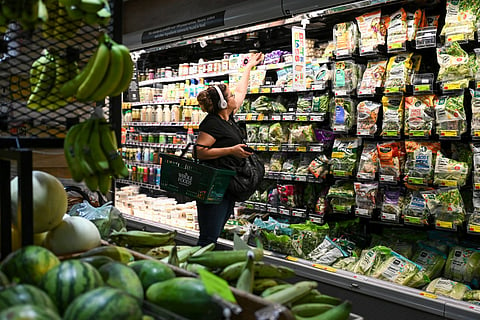
Dubai: Global food prices moved higher in August, with sugar recording an 11.9% monthly jump while wheat, maize, dairy, meat and vegetable oil prices also increased amid weather risks and disruptions to key trade routes.
The FAO Food Price Index averaged 133.3 points in August 2026, up 1.9% from its revised July level and 2.5% from a year earlier, according to the Food and Agriculture Organization of the United Nations.
Get updated faster and for FREE: Download the Gulf News app now - simply click here.
All five commodity groups covered by the index recorded increases during the month, although the scale of the rises varied considerably. The overall index remained 16.8% below the record reached in March 2022.
“August’s increase in global food prices is a warning that the risk premium is returning to food markets: climate shocks, geopolitical tensions and disrupted trade logistics are converging to tighten supply expectations, showing that resilience, open trade and secure input flows are now central to global food-price stability,” said FAO Chief Economist Maximo Torero.
Sugar records biggest increase
Sugar recorded by far the largest monthly increase, with the FAO Sugar Price Index rising 11.9% from July to its highest level since June 2025.
Persistent hot and dry weather prompted lower forecasts for sugar beet yields in the European Union, while El Niño-related conditions continued to affect production prospects in key Asian producers.
Lower production in Brazil’s Center-South growing region added to concerns over global supplies, while India’s announcement of duty-free raw sugar imports also contributed to higher international prices.
Wheat and maize prices move higher
Cereal prices increased by 2.2% from July, taking the index to its highest level since May 2024, with international prices rising across all major grains.
Global wheat prices climbed 2.6% during August and stood 15% above their level a year earlier. FAO attributed the increase to persistent disruption to Black Sea export logistics, weaker production prospects in parts of Europe following hot and dry weather and a weaker US dollar.
International maize prices rose 2.5% from July amid concerns over yields in parts of the US Corn Belt and deteriorating production prospects in the European Union.
Strong demand from the ethanol and feed sectors and disruptions to Ukrainian export flows also supported prices, while concerns over input supplies following the closure of the Strait of Hormuz provided additional upward pressure.
Rice prices increased by 0.5%, supported by currency movements, purchases from Asian and African countries and expectations of tighter supplies.
Dairy and meat also cost more globally
The FAO Dairy Price Index rose 2.3% from July, marking its first increase in four months, although it remained 21.7% below its level a year earlier.
Milk powder and cheese prices moved higher, with tightening milk supplies and hot and dry weather in major European producing regions contributing to the increase.
Meat prices rose 1% during August, driven by higher poultry, pig and ovine meat quotations. Bovine meat prices declined as competition increased among exporters seeking alternative markets.
Vegetable oil prices also moved higher, with the index gaining 0.6% from July to its highest level since June 2022. Higher palm and soy oil prices outweighed declines in sunflower and rapeseed oil quotations.
Global cereal harvest set to decline
FAO now expects global cereal production to reach 2.98 billion tonnes in 2026, down 2% from last year but still the second-largest harvest on record.
World maize production is forecast at 1.309 billion tonnes, while global wheat output is expected to reach 810.7 million tonnes, 3.8% below the 2025 level.
Rice production is forecast to decline 1.9% to 553.1 million tonnes in the 2026/27 season following the record reached a year earlier.
Global cereal stocks are expected to reach 947.2 million tonnes by the close of seasons in 2027. The stocks-to-use ratio is forecast at 31.6%, compared with 31.9% in the previous season, which FAO said still indicated a relatively comfortable global supply situation from a historical perspective.
World cereal trade is expected to decline from record levels to 509.3 million tonnes in 2026/27.