Genius move: Why India’s Flipkart chose to sponsor Namibia at T20 World Cup
What first looked like odd cricketing choice is, in reality, a calculated, marketing move
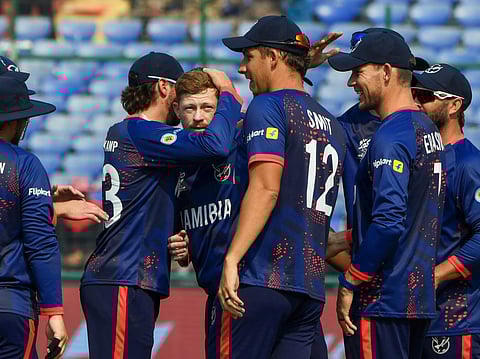
Dubai: When Flipkart announced it would sponsor Namibia’s cricket team for the ICC Men’s T20 World Cup 2026, the internet had questions. Flipkart doesn’t operate in Namibia, so why back a team from a market where it has no business presence?
At first glance, it seemed random. In reality, it’s a calculated marketing decision built around reach, cost and visibility.
At tournaments like the T20 World Cup, every team in a group plays the same number of matches and receives similar broadcast exposure. Namibia is in Group A, which means it will face heavyweights like India and Pakistan — matches that are guaranteed to draw massive audiences in India. Flipkart’s bet is simple: it doesn’t matter where the team is from, it matters who is watching.
About reach, not nationality
Sponsoring the Indian cricket team is one of the most expensive branding plays in the country. Apollo Tyres is currently the lead sponsor of the Indian men’s and women’s teams, having signed a 2.5-year deal with the BCCI from September 2025 to March 2028. Its logo appears on the jerseys across all formats, replacing Dream11.
In 2023, the base price for Team India’s lead sponsorship rights was set at Rs3.5 billion, with the final deal closing at Rs3.58 billion, which was won by Dream11. In September 2025, Apollo Tyres secured the lead sponsorship with a winning bid of Rs5.79 billion, outbidding software giant Canva (Rs5.44 billion) and JK Cement (Rs4.77 billion).
Against that backdrop, sponsoring an associate nation like Namibia is significantly more affordable — while still guaranteeing television and digital exposure during some of the tournament’s most-watched matches.
Flipkart acknowledged the unconventional nature of the move. “Sponsoring Team Namibia felt like a great opportunity for Flipkart: an unconventional choice with the potential to create impact during one of the world’s biggest sporting moments,” said Pratik Shetty, head of growth and marketing at Flipkart.
The company leaned into that unconventional choice through a tongue-in-cheek campaign film created by Leo India. The film plays on exaggerated cultural links between India and Namibia before landing on a simple insight: when it comes to sponsorship, viewership matters more than geography.
“In high decibel sporting events like the World Cup we are always looking for ideas and opportunities that help us stand out from the crowd. This unexpected partnership was a winner for us as the conversation starter on the internet and pairing it with Flipkart’s signature witty sense of humour; we knew we had an amazing deal!” said Sachin Kamble, chief creative officer at Leo South Asia.
Buzz into business value
There’s also a practical branding benefit. On a smaller team’s jersey, there are typically fewer sponsor logos competing for space. That means Flipkart’s branding stands out more clearly, improving recall among viewers.
The announcement quickly sparked debate on social media, which helped the campaign travel further. The discussion itself became part of the strategy, reinforcing Flipkart’s long-standing positioning around accessibility and “value for money.”
The timing is notable as well. Flipkart operates in a fiercely competitive e-commerce market and is reportedly evaluating an entry into online food delivery. In such an environment, mass visibility during a high-impact event like the T20 World Cup helps strengthen brand recall without incurring the premium costs associated with India’s primary sponsorship slots.
What initially looked like an odd cricketing choice is, in reality, a numbers-driven marketing move. By backing Namibia, Flipkart has secured prominent on-screen presence during high-viewership matches, managed costs carefully and generated organic online buzz — all while reinforcing its brand identity.
In a tournament filled with big hits and billion-rupee sponsorships, Flipkart’s Namibia play may be one of the smartest off-field strategies of the season.