UAE gains freedom to produce what industries need after OPEC exit, says Al Mazrouei
OPEC exit gives UAE more room to plan output around industrial and global demand

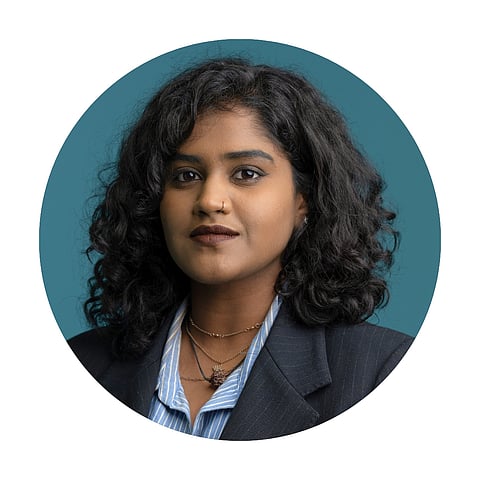
Abu Dhabi: The UAE’s exit from OPEC and OPEC+ gives the country greater freedom to produce what its industries require, while allowing it to plan more directly around domestic manufacturing needs and global market demand, Suhail Mohamed Al Mazrouei, Minister of Energy and Infrastructure, said at the Make it in the Emirates summit in Abu Dhabi.
Get updated faster and for FREE: Download the Gulf News app now - simply click here.
The comments mark one of the clearest public explanations yet of how the UAE sees its post-OPEC role, with the Minister linking the decision to greater production flexibility, stronger industrial planning and the need to support partners that have invested in the country.
“This is a sovereign decision that was taken after very carefully at our whole strategy, including Made in the Emirates,” he said.
More freedom to produce
The Minister said the UAE’s exit gives it “a sense of freedom” to produce what its industries require without being bound by a producer group, while continuing to work with other countries when market conditions call for coordination.
“What does this decision do to the materials that our industries need here in the UAE, we will have a sense of freedom to produce what we require without joining any group, and that will give us a sense of planning, a sense of decision making when it comes to prioritising our products that goes to the different industries,” Al Mazrouei said.
ADNOC and its group companies, he added, have played a central role in enabling the UAE’s industrial sector through products across the oil and gas value chain, and that flexibility will become more important as the country expands its manufacturing base.
“ADNOC and its group of companies have been instrumental in enabling the industrial sector through the world class products, throughout the value chain of oil and gas, that has been instrumental in getting us to where we are today,” he said.
The next phase, Al Mazrouei indicated, is about using energy capacity to support industrial growth at home while keeping the UAE plugged into global demand.
“The future is going to be more prosperous for us. We look forward to grow our industrial base, to become something that the whole world will need more,” he said.
UAE left on good terms
Al Mazrouei said the UAE left OPEC and OPEC+ on good terms and will continue to act as a responsible energy producer, while maintaining engagement with countries inside and outside the producer alliance.
“We left in a good term,” Al Mazrouei stated during the panel discussion.
“We are a responsible producer, and we have investors here. We're dealing with many of the world class industrial countries that are dependent on us, and we owe it to those partners who elected to invest the UAE to produce what the world requires, without restrictions, with collaboration, of course, with all other producers,” he explained.
The UAE ended a six-decade membership in OPEC just days before the summit, a move that followed a wider review of the country’s energy strategy, future production capacity and industrial needs.
Responsible producer after OPEC
Al Mazrouei pushed back against concerns that the UAE’s exit could create tension with OPEC or Saudi Arabia, saying other members had left the group in the past and that the move was understood as a sovereign decision.
“This is not the first time that a member country exit the group. It happened before, and the group has been relatively calm about it,” he said.
The Minister said the UAE would continue to contribute to market stability, but would do so through direct engagement with countries and producers.
“Everyone realised that UAE will be as well, and as we said, a responsible producer. We're not new to this market. We understand that we will always be acting responsibly, and we will be as an individual producer, hopefully an enabler for growth,” he stated.
The UAE has previously said it plans to raise oil production capacity to 5 million barrels per day by 2027, a target that places it in a stronger position to respond to demand growth and supply gaps when global markets come under pressure.
Al Mazrouei said the UAE’s future role would be shaped by market requirements, national industrial demand and the country’s ability to support partners that depend on its energy exports and industrial inputs.
Strait of Hormuz must stay open
The Minister’s strongest warning came on the Strait of Hormuz, where security risks have placed shipping, energy flows and global supply chains under renewed pressure.
“No one should be allowed to control the Strait of Hormuz. Period,” Al Mazrouei said.
He said any attempt by one country or group to control the waterway would hurt consumers far beyond the Gulf, especially poorer nations that are heavily exposed to energy and commodity price shocks.
“The shock in the market is something that is impacting the poor nations. The shock in the energy is impacting the consumers, and it's not just something that's impacting the Gulf states or us in the UAE,” he said.
Al Mazrouei said the priority now is to ensure ships can move freely through key waterways, with the Strait of Hormuz remaining the central concern because of the volume of energy and trade that passes through it.
“The biggest concern today is one, the security, two, of ships moving freely throughout all of those straits,” he said.
He also referred to the role of Iran and the Revolutionary Guard, stating that the risk cannot be allowed to return after every period of tension.
“That's why it's so important for countries like the United States, all of us here in the Gulf, that this strait is kept open without possibility that Iran is coming and or the Revolutionary Guard coming and blocking it again after time,” he said.
Strategic reserves need refilling
Al Mazrouei said the disruption has drawn down strategic reserves, creating a second layer of demand that will require additional production even after immediate supply flows stabilise.
“That risk, since it happened, it had drawn the Reserve or the strategic reserve inventories down, and that is the second concern that needs refill,” he said.
The Minister warned that if countries are not confident the disruption will be prevented from happening again, they may raise inventories to higher levels, adding further demand to an already tight energy system.
“In addition to bringing back enough production to the world, we need someone need to produce to fill up those strategic reserves,” he said.
The point is significant for consumers and businesses because strategic reserves act as a buffer during crises. When those reserves fall, governments and energy companies eventually need to rebuild them, adding demand for crude and products even when day-to-day consumption is already rising.
Al Mazrouei said the post-conflict period could therefore require more supply from producers that can increase output without destabilising the market.
“Those two will demand more production. So the world will need more energy. Period,” he said.
Post-war demand could rise
The Minister said growth in demand was already visible, and the need to replenish inventories would add another layer to that requirement.
“There has been growth and demand. Now you add to it the inventory story, you need more. From where that additional volume is going to come,” Al Mazrouei said.
He said responsible producers would need to manage that increase carefully, meeting demand without pushing excessive supply into the market.
“We will need more production when those who are responsible producers, they will gauge. They will not flood the market. They will produce wisely to ensure that we are taking care of those two things,” he said.
Those two priorities, he explained, are meeting daily demand and contributing enough supply to rebuild strategic reserves worldwide.
The Minister also pointed to the US energy sector, saying shale oil had strengthened US energy security and helped balance global supply at a time when the American economy remains important to global growth.
“The shale oil production has been a revolution that the whole world benefited from, because it balanced the supply of the United States. It gives them energy security,” he said.
Al Mazrouei added that a strong US economy benefits many countries, including the UAE, which remains a major investor there.
“The whole world needs the economy of the United States to be strong, many are benefiting from that economy, and we are a major investor there,” he said.