Morocco enforces new law restricting feeding of stray animals in public
People risk fines of up to MAD2,000 for unauthorised feeding, sheltering or treatment
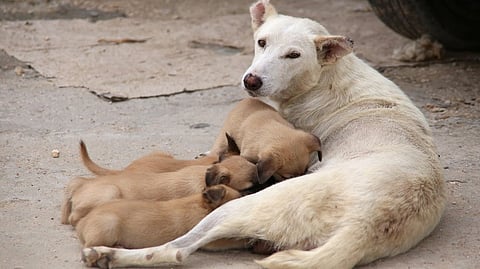
Dubai: Morocco has begun enforcing a new law restricting people from feeding, sheltering or treating stray animals in public spaces outside an authorised framework, with offenders facing fines of up to 2,000 dirhams.
Law No. 19.25 on the protection and care of stray animals and prevention of related risks entered into force after its publication in the Official Gazette on August 10. It was promulgated by royal decree on July 28 after approval by both houses of parliament.
Under article 5, individuals may not take charge of stray animals by feeding, housing or treating them except in accordance with the law and its implementing regulations. Article 44 provides for fines ranging from 500 to 2,000 dirhams for violations in streets, shared residential buildings and other places open to the public.
The legislation is broader than a ban on feeding stray cats and dogs. It establishes a national system for managing stray animals, placing responsibility for their collection and care with designated centres. Animals can be identified, vaccinated, treated and sterilised before being returned to suitable areas or offered for adoption.
The law also imposes tougher penalties for abandoning or mistreating animals. Deliberately abandoning an animal in a public space can carry a fine of between 10,000 and 20,000 dirhams, while intentionally killing, torturing or mistreating a stray animal can result in imprisonment of two to six months and a fine of 5,000 to 20,000 dirhams.
The restrictions on feeding have triggered criticism from animal welfare campaigners, who say volunteers currently provide food and treatment to many street animals and have called for clearer implementing regulations. Some of the mechanisms required under the law have yet to be established.
The government says the wider framework is intended to balance animal welfare with public health and safety and to create a more organised system for managing Morocco’s stray animal population.