Iran sends US 7 conditions for talks, awaits Trump response
Qatar conveys Tehran’s terms as Iran separately outlines three demands to end the war
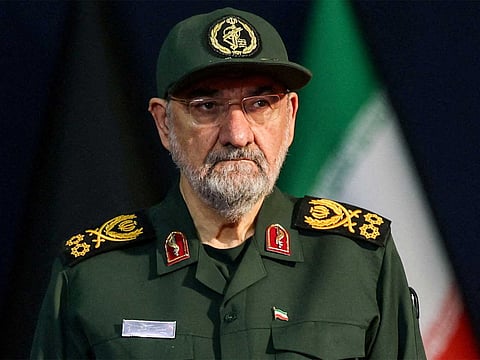
Dubai: Dubai: Iran has conveyed seven conditions to Washington for the start of negotiations, its top security official said on Saturday, opening a potential diplomatic path even as President Donald Trump weighs whether to resume major attacks on Tehran.
Mohsen Rezaei, secretary of Iran’s Supreme National Security Council, did not disclose all seven conditions l, according to the reports. Separately, he has identified three demands for ending the war — an end to fighting on all fronts, the release of frozen Iranian assets and an end to the US naval blockade.
“The United States, if it wants to extricate itself from the predicament it has created, must accept Iran’s rights and conditions,” Rezaei said.
He did not publicly spell out all seven.
However, Rezaei separately identified three demands for ending the war: An end to fighting “on all fronts”, the release of frozen Iranian assets and an end to the US naval blockade.
He said Qatar had conveyed Iran’s terms to Washington and that Tehran was awaiting Trump’s response.
The developments provide one of the clearest indications that diplomatic channels remain active despite months of fighting and increasingly sharp military threats from both sides.
Iran and the United States have continued indirect contacts since the collapse of the Islamabad memorandum of understanding, while Qatar and Pakistan have played mediation roles.
The memorandum, signed in June following Pakistan-hosted talks, was intended to halt the fighting and open the way for a broader agreement. Both sides subsequently accused each other of violations, and it expired in August without producing a lasting settlement.
What we know about Iran’s conditions
Seven conditions conveyed: Rezaei says Iran has sent Washington seven conditions for beginning negotiations.
Not all disclosed: He has not publicly detailed the full list of seven.
Three demands identified: Rezaei has separately named an end to the war on all fronts, release of frozen Iranian funds and an end to the US naval blockade.
Qatar mediating: Tehran says Qatar conveyed its terms to Washington.
Pakistan involved: Islamabad continues its mediation efforts, with Interior Minister Mohsin Naqvi due in Tehran.
Hormuz still in play: Rezaei says a proposed Iran-Oman agreement concerning the Strait of Hormuz remains ready.
Iran awaiting Trump: Tehran says the next move now rests with Washington.
Trump faces ‘big decision’
The latest Iranian move comes as Trump considers whether to resume large-scale military operations against Tehran.
Trump told Axios on Thursday that he faced a “big decision” over whether to launch another major attack, while saying Iran remained in contact with Washington and wanted an agreement.
Trump is expected to discuss the conflict with Gulf leaders in New York next week.
Pakistan also remains involved in diplomatic efforts, with Interior Minister Mohsin Naqvi due to visit Tehran on Sunday.
Iranian Foreign Ministry spokesperson Esmaeil Baghaei said the visit would focus on bilateral relations and previous agreements between Iran and Pakistan. He said he was unaware of any specific US message or proposal that Naqvi would carry.
Baghaei nevertheless acknowledged Pakistan’s continuing mediation role and said it was natural for Islamabad to pursue diplomatic efforts.
Diplomacy — but preparations for war
Even as Iran pushes for negotiations, Rezaei struck a hard military tone.
He said Tehran had changed its strategy towards Washington following the breakdown of the earlier memorandum and regarded the possibility of another US strike as a serious one.
Iran’s military planning is now increasingly focused on US naval assets stretching from the Gulf through the Gulf of Oman and into the Arabian Sea, according to Rezaei.
He also claimed Iran had recently tested an anti-ship missile near a US aircraft carrier or other American naval asset and said Tehran was better prepared to confront future US air attacks.
The claims could not be independently verified.
Rezaei warned that any renewed Iranian response could encompass US military bases as well as American commercial interests and companies operating in the region.
At the same time, he said Tehran was pursuing a strategy aimed at bringing the war to an end as quickly as possible.
The combination reflects the two tracks Iran is pursuing: Keeping diplomatic channels open while demonstrating that it is preparing for another round of fighting if negotiations fail.
Hormuz deal remains possible
Rezaei also said Iran had come within “a short step” of announcing an agreement with Oman over the Strait of Hormuz before the plan was shelved.
He said an agreement between Tehran and Muscat remained ready, although regional endorsement might be necessary before it could be announced.
Rezaei rejected US accusations that Tehran had violated the earlier memorandum by attacking an oil tanker in the strait, arguing that Iranian actions followed US attacks on Bandar Abbas and an Iranian surveillance platform.
Warning over nuclear policy
Rezaei also said Iran had not decided to withdraw from the Nuclear Non-Proliferation Treaty.
He said Tehran remained committed to its longstanding religious prohibition on nuclear weapons and that its nuclear doctrine had not changed.
But he left open the possibility that Iran’s position could change depending on Washington’s actions, including further pressure over its nuclear programme.
Rezaei said US and Israeli military actions had already given Tehran grounds to leave the NPT, although no such decision had been made.


