Poll outcome shows tribal affinity
Nu'amah lone woman to get elected while three protesters also emerge winners
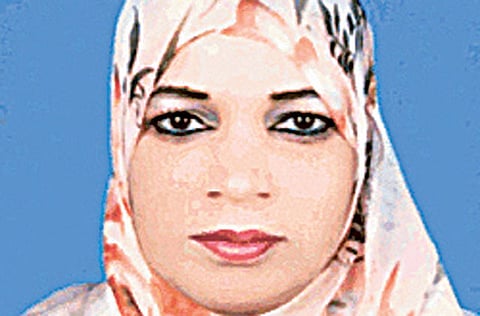
Muscat: A record 76 per cent of voters exercised their franchise on Saturday to elect 84 Majlis Shura members, including a woman and three activists.
"About 400,000 votes were cast which is about 76 per cent of 518,000 registered voters," Undersecretary at the Interior Ministry, Saeed Mohammad Bin Sultan Al Busaidi, who heads the Election Commission (EC), told a press conference yesterday.
Nu'amah Bint Jamayel Al Busaidi was the lone woman winner from a strong field of 63 candidates in Seeb. "She has polled more votes than the male contestants from that area," Al Bu Saidi revealed.
However, none of the other 76 women candidates came close to winning.
Al Bu Saidi said they had hopes of more women getting elected. "This is the verdict of the ballot; we can do nothing much in that," he added.
Tribal affinity
In reply to a question, the EC Chairman said he had no problems with winners in the election emerging on the basis of tribal affinity. "The tribes are our own [Omani], so they may win," he said.
The chairman of the country's only independent think-tank, Khalid Al Haribi, who lost in Salalah, also conceded that tribal connections had won. "The candidates that won in our area deserved to win as they connected with more people without indulging in a public campaign," the US- educated civil society leader said, adding that the reach of social media was limited in Oman as well as in the GCC region.
Al Bu Saidi said that mobile units to issue voting cards to the public was successful but those who hadn't registered had to be sent back.
"Registration is an ongoing process for every voter for the last seven years; but some lazy individuals turned up on election day to register and vote," he said and urged citizens to register early.
Eligible voters
More than 60 per cent of the eligible voters in the country have already registered and 76 per cent of them voted for the seventh term of the Shura, which is expected to get more legislative and regulatory powers.
The Shura, created in 1991, hitherto had the authority to question ministers and advise the government on socio-economic issues, but from the new term the council is likely to get more powers.
"His Majesty [Sultan Qaboos Bin Saeed] has given more powers to the Shura and reforms will start from this term," the undersecretary said.
In reply to a question on observers for the elections, he said: "We do not have political parties so we are not biased towards anyone; so we need no observers."
He said the country's human rights commission members had visited polling stations. "We were open to the media — local and international — and we trust them," he added.
Meanwhile, three protesters were elected, including one from Batinah region, which saw the most intense protests in February.
One each was elected from Dhofar and Dhakliya regions respectively. Taleb Al Maamari triumphed from Liwa in Batinah while Salim Al Oufi won the Izki seat in Dhakhliya region. Salim Bin Mohammad Al Mashani, who was imprisoned after his arrest during the Salalah protests, won the Taqa seat from the south.
"It is good to know that those who participated in demonstrations and protests have been accepted by the voters, hopefully they will do something for their cause," Esmail Al Muqbali, an activist from Sohar, told Gulf News.
The winners
Buraimi Governorate: Al Shinaina: Ahmad Bin Mohammad Al Shamsi. Mahadha: Salim Bin Ali Al Ka'abi. Buraimi: Rashid Bin Al Shamsi and Abdullah Bin Mohammad Al Beloushi.
Wusta (Central Region): Haima: Hamoudah Bin Mohammad Al Harsoosi. Jazir: Nasser Bin Yasser Al Junaibi. Duqum: Salam Bin Saqat Al Junaibi. Mahout: Saleem Bin Ali Al Hakamani.
Batinah Region: Sohar: Kadhim Bin Al Ajmi and Saeed Bin Ganem Al Muqbali. Maawil: Khalid Bin Hilal Al Ma'awali. Awabi: Al Khalil Bin Abdul Raheem Al Kharousi. Nakhal: Salim Bin Al Braiki. Liwa: Talib Bin Al Ma'amari. Rustaq: Zayed Bin Khalfan Al Abri and Salim Bin Hamoud Al Shikaili. Saham: Ali Bin Abdullah Al Badi and Sultan Bin Rashid Al Braiki. Shinaz: Yousuf Bin Ahmad Al Beloushi and Talal Bin Rajab Al Matroushi. Khabourah: Ali Bin Khalfan Al Qutaiti and Fahd Bin Al Hosani. Suwaiq: Mohammad Bin Khalid Al Rushaidi and Hamad Bin Khamis Al Jadidi. Birka: Qasim Bin Saeed Al Rushaidi and Mohammad Bin Rashid Al Qanoobi. Musanah: Rashid Bin Mohammad Al Sa'adi and Nasser Bin Khamis Al Khumaisi.
Mussandam: Madha: Khalid Bin Ahmad Al Sa'adi. Bukha: Abdullah Bin Ahmad Al Malik. Dibha: Rashid Bin Ali Al Shuhi. Khasab: Mohammad Bin Al Shuhi.


