Greek woman has IVF birth from 22-year-old embryo after losing son
Record embryo pregnancy highlights fertility science amid Greece’s low birth rate
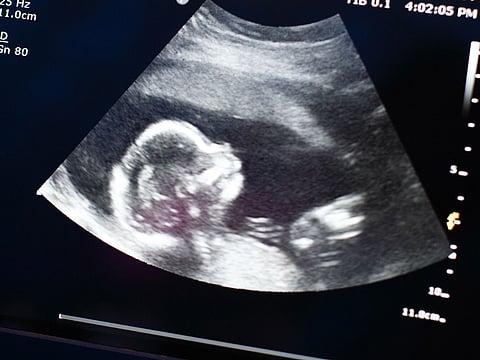
A Greek woman has given birth from an embryo frozen over 22 years ago, months after her son born from the same treatment in 2004 died in an accident, her doctor said Wednesday.
"For Christina Rapti‑Tzelepi, today's birth carries special emotional significance," gynaecologist Konstantinos Pantos said in a Facebook post.
Get updated faster and for FREE: Download the Gulf News app now - simply click here.
"In 2004, after an embryo transfer, she had a healthy baby boy on the first attempt. In October 2025, the family experienced the tragic loss of their son in a road traffic accident at the age of 21," Pantos said.
Rapti-Tzelepi is 54, the maximum allowed age in Greece for in vitro fertilisation.
She gave birth to a baby girl on Wednesday following the transfer in December of an embryo from the same initial batch, Pantos said.
"There was mourning and joy involved, but everything disappeared this morning when we held our beauty in our arms," Rapti-Tzelepi told state TV ERT.
Rapti-Tzelepi's husband Konstantinos Raptis said the family were in a "race against time" to see the pregnancy through.
"My wife reached, quite literally, the very limits of the age restrictions imposed by the existing legislation," Raptis said in a statement.
He called for the national IVF age limit to be lifted.
"Older women have an immeasurable capacity to offer mature, conscious and unconditional love, as well as a stability that no statistic can ever fully measure," Raptis said.
The couple have an additional nine embryos in storage and would like to have another child, but are currently unable to under the law, Pantos said.
Greece's birth rate has been declining for years. State statistics in 2025 showed births had fallen by over 2,800 compared to a year earlier.
However, the data also shows an increase in births to mothers over the age of 40 over the past 20 years.
"Women must not be afraid... the science is safe... I advise couples that have been fighting for years to not give up," Rapti-Tzelepi said.
"In a country with a serious birth rate problem, we must not deprive people of their dreams and desires."


