South Asia expected to receive below-average monsoon rainfall
Experts urge early planning as below-normal monsoon threatens vulnerable communities
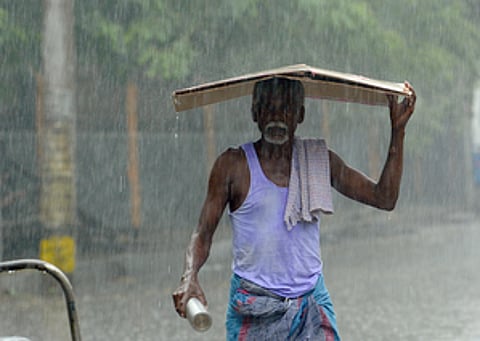
GENEVA: Rainfall is likely to be below normal during the June–September 2026 southwest monsoon season across much of South Asia, with the strongest signal over central regions, according to a new seasonal forecast which will help millions of people prepare.
A few parts of the north-western, north-eastern and southern region are likely to receive normal to above normal rainfall between the May-September monsoon period, according to the South Asian Climate Outlook Forum.
Temperatures – both maximum daytime and minimum overnight ones – are expected to be above normal.
Advance information about the likely performance of the monsoon underpins planning in climate-sensitive sectors such as agriculture and renewable energy (hydropower). It also informs risk management and public health strategies – including heat-health action plans - in the world’s most populous region.
The forum, held in Malé, Maldives, brought together nine National Meteorological and Hydrological Services in South Asia, namely Afghanistan, Bangladesh, Bhutan, India, Maldives, Myanmar, Nepal, Pakistan and Sri Lanka.
The forecast is based on an analysis of global climate conditions. There is strong consensus among experts that El Niño conditions are likely to develop during the 2026 monsoon season. In parallel, the Indian Ocean Dipole – which is another key climate driver in the region – is expected to move from a neutral to positive phase.
From June through September, the Southwest Monsoon dominates life in much of South Asia. Accounting for 75-90% of the annual rainfall in most parts of the region (excepting Sri Lanka and south-eastern India), replenishing water resources like rivers, lakes, and groundwater, which are vital for irrigation and drinking water supplies.
It is the lifeblood of national economies, agricultural production and food security. Below-average monsoon rainfall can trigger food insecurity among vulnerable populations, whilst heavy monsoon-related rainfall and flooding also causes many casualties each year.


