Traffic chaos: Karachi eyes first underground metro
Pakistan Academy of Engineering proposes two underground rail corridors to ease traffic
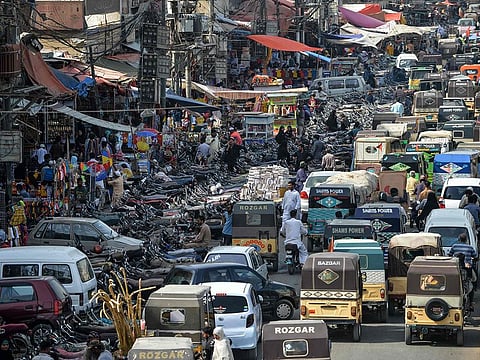
Karachi could finally move towards an underground metro system after Pakistan’s top engineering body proposed the city’s first subterranean railway network, arguing that only a modern mass transit solution can tackle worsening congestion, rapid population growth and chronic public transport shortages.
The proposal emerged from the Pakistan Academy of Engineering’s (PAE) 40th Symposium, Importance of Underground Mobility in a Megacity, where transport and engineering experts from Pakistan, China and the United States called for the development of two underground railway corridors to form the backbone of Karachi’s future public transport system.
Routes
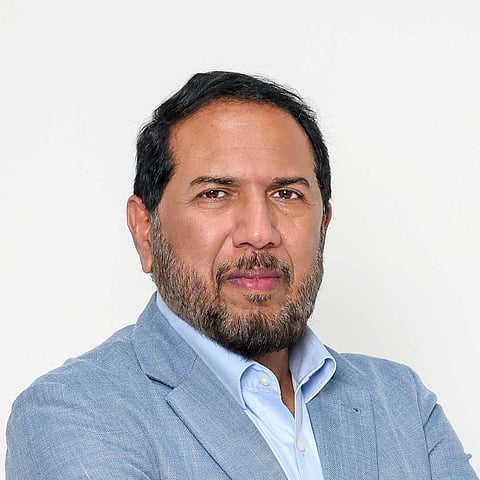
The academy recommended constructing the city’s first underground rail routes, including Corridor 1 from Numaish Chowrangi to Merewether Tower and Corridor 2 linking FTC on Sharea Faisal with I.I. Chundrigar Road and Tower. The proposal was presented by PAE President Professor Dr Brig. (retd.) Nasim Akhtar Khan, who described underground mobility as an essential long-term investment for Pakistan’s largest metropolis.
“Karachi has to go underground for mass transit. Why not start today?” Professor Khan told the symposium, stressing that the city could no longer rely solely on road-based transport to meet the demands of its fast-growing population.
Locally conceived
He said the project could also become a milestone in indigenous engineering, noting that Pakistan has rarely undertaken major infrastructure initiatives conceived and designed locally.
The symposium examined successful underground railway systems operating in cities such as Singapore, New York, Washington DC, Delhi, Friedberg and Dhaka, drawing lessons on how metro networks have transformed urban mobility and reduced dependence on road transport.
Bus system
According to the academy, the proposed underground railway would complement Karachi’s existing Bus Rapid Transit (BRT) system rather than replace it. An integrated network combining metro rail and BRT would significantly increase passenger capacity while improving connectivity between the city’s commercial hubs and residential neighbourhoods.
Transport experts attending the event said the underground network could help ease chronic traffic congestion, reduce travel times, lower air pollution and provide a safer, faster and more reliable transport option for millions of daily commuters.
Transport crisis in mega city
The proposal comes as Karachi continues to face one of the country’s most severe public transport crises. Home to an estimated 21.8 million people, the city relies heavily on an overstretched and largely informal transport network. Although buses account for up to 42 per cent of passenger trips, they make up less than five per cent of the city’s vehicle fleet, resulting in overcrowding and inadequate service.
Experts estimate Karachi needs at least 10,000 additional buses to meet existing demand. Currently, only around 100 buses operate on the Green Line and Orange Line BRT corridors, while another 339 buses are running under the Peoples Bus Service.
Master plan
Transport planners have long argued that the city’s mobility problems stem from the incomplete implementation of the Karachi Transport Master Plan 2030, prepared by the Japan International Cooperation Agency (JICA). The plan envisioned six BRT corridors supported by a fleet of approximately 10,000 buses, but much of the proposed network remains unrealised.
The underground metro proposal seeks to bridge that gap by adding a high-capacity rail system capable of moving far larger numbers of passengers than surface transport alone.
Support
The initiative has also received support from academia. Sir Syed University of Engineering and Technology Vice Chancellor Dr. Afzal Haque and DHA Suffa University Dean Dr. Ahmad Hussain announced that engineering students would be assigned research projects related to the proposed metro, including underground station design, tunnel alignments and supporting infrastructure.
The Pakistan Academy of Engineering said Karachi’s future economic growth and urban development would depend on long-term investment in sustainable transport infrastructure, with underground rail offering one of the most viable solutions for the city’s mobility challenges.