Dubai launches luxury shared school rides to beat traffic
New initiative pools students in SUVs, cutting traffic, costs and hassle for families
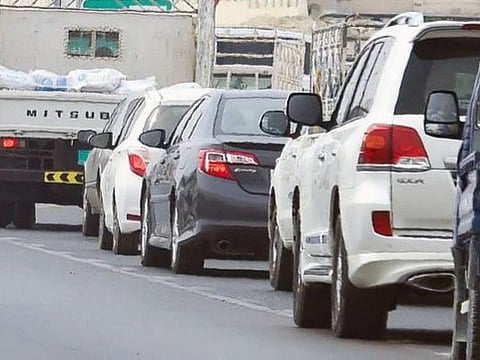
Dubai: Dubai’s Roads and Transport Authority (RTA), in partnership with Yango Group, has rolled out a pilot shared luxury school transport service designed to make daily commutes safer, faster, and more affordable.
The initiative uses luxury SUVs to pick up students from nearby areas and schools along optimised routes, reducing the number of private cars on the roads during peak school hours.
Priced at Dh1,000 per month as an introductory fare, the service is fully compliant with RTA’s school transport safety standards. It includes live vehicle tracking, real-time trip management, and continuous operational monitoring, giving parents peace of mind while supporting Dubai’s broader goals of safer roads, smarter mobility, and sustainable transport.
Pilot project
The pilot currently serves students aged 14 and above from six schools: Bloom Academy, Brighton College, GEMS Founders School, GEMS Al Barsha National School, Dubai American Academy, and the American School of Dubai.
All you need to know
What makes this different from regular school buses?
Unlike conventional buses that follow fixed routes for one school, Yango’s service pools students from multiple schools along similar routes. Routes are data-driven and optimised, reducing travel time, unnecessary trips, and traffic congestion. The service also includes live tracking, real-time trip updates, and continuous monitoring for added safety.
Who can use it?
Any family in need of convenient and affordable transport. It particularly benefits parents who currently drive their children to school, manage multiple school runs, or want a lower-cost alternative to traditional school transport. This pilot is not replacing existing buses but providing a regulated, complementary option.
Will children from different schools travel together?
Yes, but only students from nearby schools to keep travel times short and efficient.
How are routes managed to avoid delays?
Vehicles are assigned to specific parking areas near multiple schools, ensuring efficient journeys without extended travel times.
When and where is this starting?
The pilot launched on 14 January 2026 and is currently in the registration phase. Active services for students are expected to begin within 1—2 weeks. The first phase covers six schools in neighbourhoods with high congestion and limited parking.
How will this help reduce traffic?
Pooling students in a single vehicle replaces multiple private car trips. Even modest participation can smooth traffic flow, reduce double-parking, and shorten queues during morning peak hours.
How much does it cost?
The pilot’s introductory fee is Dh1,000 per month, with the regular fare set at Dh1,500. Pooling routes keeps costs lower while maintaining convenience and safety.
Could this replace traditional school buses?
No. This service is complementary, offering families more choice. Traditional buses remain essential for many students, while this pilot tests a flexible, tech-driven alternative.
How is student data protected?
Data is used solely for route optimisation and service improvement, fully compliant with UAE privacy regulations.
Could this model expand in the future?
If successful, RTA and Yango plan a broader roll-out by September 2026, aligning with the new school year. Any expansion will be carefully planned to maintain safety, reliability, and efficiency.


