Zakat Al Fitr explained: How much to pay, when to pay and who must pay
Muslims urged to pay on time ahead of Eid celebrations
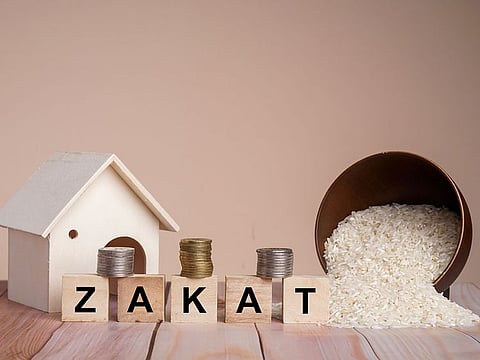
Abu Dhabi: The UAE Council for Fatwa has confirmed that Zakat Al Fitr may be paid in cash, saying the measure is intended to ease the process for donors while ensuring support reaches those in need ahead of Eid Al Fitr.
In a statement issued ahead of Eid Al Fitr holiday, the council outlined the religious rulings governing Zakat Al Fitr, noting that it remains an obligatory charity prescribed to purify the fasting person and provide support to the poor.
It said the obligation applies to financially capable Muslims on behalf of themselves and those they support.
The council said the traditional amount is 2.5kg of rice per person, or its cash equivalent, which it has set at Dh25 for the 1447 AH (2026) season.
It added that a number of Islamic scholars permit payment in cash because it may better serve the interests of beneficiaries and facilitate the delivery of assistance. The council cited historical religious opinions and practices supporting the permissibility of monetary payment.
The council said it is preferable to pay Zakat Al Fitr after dawn on the day of Eid to ensure those in need can benefit on the day of celebration, although it may be paid earlier during Ramadan if necessary to avoid delays or administrative pressure on charities.
It also said Zakat Al Fitr may be paid at any time during Eid day before sunset, after which it is considered a delayed payment rather than a timely obligation. The council warned against unnecessary delays by individuals or charitable organisations except in cases of necessity.
The statement noted that both food and cash payments are permissible, with food reflecting the original practice and cash reflecting scholarly opinions that allow its monetary value.
The council urged Muslims to pay Zakat Al Fitr on time and ensure it reaches eligible recipients, highlighting its role in promoting social solidarity and bringing relief to those in need during Eid.
It also encouraged donations through approved charities in the UAE, including the Zakat Fund of the General Authority of Islamic Affairs, Endowments and Zakat, the Emirates Red Crescent and other official charitable organisations to ensure proper distribution.
The council concluded by expressing hopes that the occasion would bring continued prosperity, security and stability to the UAE.

