How travellers can stay safe from Ebola, MERS, flu-like viruses during Eid and Hajj season
UAE doctors urge pilgrims to prioritise vaccines, hydration, early symptom checks
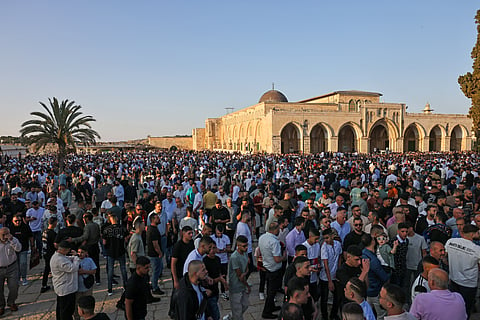
Dubai: As thousands of UAE residents prepare for Eid holidays and the annual Hajj pilgrimage, doctors have reminded travellers that staying healthy during mass gatherings requires more than just travel planning.
Health experts have warned that crowded conditions, international travel, and high temperatures can increase the risk of infectious diseases such as influenza, Middle East Respiratory Syndrome Coronavirus (MERS-CoV), and other viral illnesses that initially present with flu-like symptoms.
While Ebola remains rare and linked to outbreaks in specific regions, doctors say awareness of symptoms and travel history remains important during global travel seasons.
Medical professionals across the UAE have urged travellers to take preventive measures seriously, particularly the elderly and those with chronic illnesses.
Get updated faster and for FREE: Download the Gulf News app now - simply click here.
Watch for flu-like symptoms
Dr. Anil Grover, specialist internal medicine at Prime Hospital, has noted that Hajj brings together millions of people from different countries, increasing the risk of infectious disease transmission.
“Travelers should take preventive health measures seriously, particularly when attending large gatherings such as Hajj,” Grover told Gulf News.
He has advised travellers to ensure they are medically fit before departure, especially if they have chronic illnesses, recent surgeries, or cardiovascular conditions.
Frequent handwashing, use of alcohol-based sanitisers, and wearing masks in crowded or poorly ventilated places remain among the most effective ways to reduce infection risks.
Grover has warned pilgrims to avoid unsafe food, untreated water, and contact with camels or raw camel products due to the risk of MERS-CoV transmission in the Arabian Peninsula.
According to him, one of the biggest concerns is that early symptoms of viral infections can resemble seasonal flu. Travellers should watch for fever, severe fatigue, headache, muscle pain, vomiting, diarrhoea, abdominal pain, or unusual weakness, especially after travelling to high-risk regions or attending crowded gatherings.
Illnesses such as MERS-CoV may develop within two to 14 days after exposure, while Ebola symptoms can appear within two to 21 days.
"Early detection is critical because it allows for rapid medical evaluation, isolation when necessary, and timely treatment, significantly reducing the risk of transmission."
Prevention not panic
Dr. Eman Abdul Kader Alabar, specialist internal medicine at Medcare Royal Speciality Hospital Al Qusais, has bared that travellers should focus on prevention rather than fear during Eid and Hajj travel.
"Simple preventive measures can go a long way in reducing the risk of infection," shared Alabar.
She has recommended that elderly people, pregnant women, and those with chronic medical conditions seek medical advice before travelling.
Moreover, Alabar has stressed that early medical evaluation is important in reducing the spread of infections during crowded gatherings such as Hajj.
"The key message for travellers is not to panic, but to remain aware and seek medical advice early if they feel unwell during or after travel."
Heat exhaustion and dehydration are major risks, warns
Dr. Princy John P, specialist internal medicine at Aster Clinic Dubai Investment Park, has mentioned that health concerns during Eid and Hajj are not limited to infectious diseases alone.
"Given the high temperatures during this season, heat-related illness and dehydration are additional concerns," explained John P.
She has advised travellers to drink enough fluids, avoid excessive sun exposure, get adequate rest, and continue taking regular medications throughout the journey.
Additionally, John P has emphasised the importance of vaccination and pre-travel health checks. The quadrivalent meningococcal vaccine is mandatory for Hajj pilgrims under Saudi regulations, while influenza and updated Covid-19 vaccinations are strongly recommended, particularly for high-risk individuals.
Doctors have also advised travellers to carry sufficient medications, prescriptions, medical summaries, and emergency contact details during travel.
"Careful preparation before travel allows pilgrims and travellers to focus on the spiritual and personal significance of Eid and Hajj while minimizing avoidable health complications."
Plan ahead and stay vigilant
Dr. Rayan Mohammed, general practitioner at Valeo Health, has highlighted that pre-travel preparation is crucial for preventing infections during Eid and Hajj.
Consulting a healthcare provider four to six weeks before departure allows travellers, particularly those with chronic conditions, to stabilise existing illnesses, update vaccinations, and plan for health contingencies.
She has pointed out that the greatest health priorities during this season are respiratory and gastrointestinal infection prevention.
"Mass gatherings such as Hajj demonstrate how interconnected global health has become. Infectious diseases can cross borders rapidly when symptoms are ignored or reporting is delayed," said Mohammed.
Doctors have reiterated that staying healthy during Eid and Hajj requires preparation, vigilance, and prompt medical care. By keeping up with vaccines, practising good hygiene, staying hydrated, and seeking early medical attention for symptoms, travellers protect themselves and the wider community, ensuring a safe and fulfilling journey.