UAE accelerates efforts to integrate artificial intelligence into higher education
Showcasing six pioneering experiences by national universities and global companies
The Ministry of Higher Education and Scientific Research recently held an interactive workshop on artificial intelligence in higher education, attended by more than 120 experts and specialists representing national higher education institutions, government entities, and private-sector organisations, in addition to members of the Higher Education and Future Skills Advisory Committee.
The workshop aimed to facilitate the exchange of expertise and contribute to the development of joint initiatives that support the effective integration of artificial intelligence into the UAE’s higher education and scientific research ecosystem.
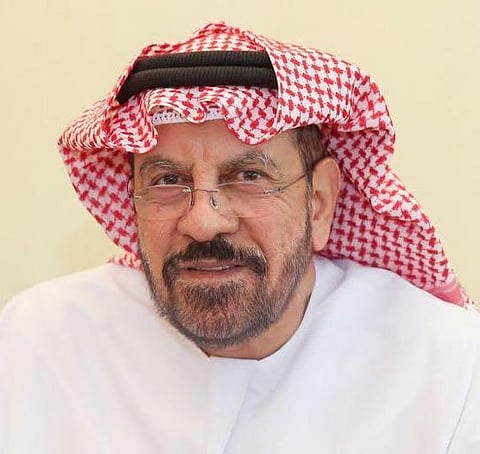
Dr Abdulrahman Al Awar, Minister of Human Resources and Emiratisation and Acting Minister of Higher Education and Scientific Research, affirmed that the move to integrate artificial intelligence into the national higher education system stems from a proactive vision aimed at developing a smart and flexible educational framework. This framework is designed to enhance the student journey, equip learners with future-ready skills, and align academic programs and higher education outcomes with the needs of the national economy and the future labor market.
He added: “Adopting artificial intelligence within higher education pathways in a systematic manner represents a fundamental pillar for improving the quality of educational outcomes and ensuring their sustainability. We are committed to continuously aligning our educational policies with innovation pathways and to supporting effective partnerships between academic institutions and vital economic sectors. This approach reinforces the UAE’s position as a leading model in the development and application of advanced technological solutions in the education sector, thereby enhancing the global competitiveness of the country’s higher education system.”
Six leading national and global experiences
During the workshop, Khalifa University of Science and Technology, Hamdan Bin Mohammed Smart University, and Mohamed bin Zayed University of Artificial Intelligence presented applied models demonstrating how artificial intelligence is integrated into their academic programmes.
Meanwhile, global technology companies Microsoft, SAP, and Google showcased their latest solutions designed to support the incorporation of artificial intelligence within educational ecosystems.
Objective: Enhancing the quality of educational outcomes
The workshop forms part of a series of initiatives led by the Artificial Intelligence Technologies in Higher Education Working Group, operating under the Higher Education and Future Skills Advisory Committee. These initiatives aim to guide higher education institutions and partners across key economic sectors toward adopting advanced applied models in higher education and scientific research, thereby enhancing the quality of educational outcomes and ensuring the sustainability of their impact across the UAE’s higher education landscape.
These efforts fall within an integrated national approach spearheaded by the Ministry of Higher Education and Scientific Research, focusing on leveraging advanced technologies to build a future-ready education system capable of preparing qualified national talent to support a knowledge-based economy. This approach aligns with the objectives of the UAE Artificial Intelligence Strategy 2031, which places the development and empowerment of national competencies through advanced technologies at the core of its strategic priorities.
97% of UAE residents use AI
In a related context, a scientific and technological study revealed that 97% of UAE residents use artificial intelligence technologies and applications in various aspects of their daily lives.
According to the latest study issued by KPMG, the UAE continues to demonstrate global leadership in training and adoption of artificial intelligence applications. The study found that residents in the UAE exhibit a higher level of awareness of the benefits of AI compared to their counterparts in other countries, with 89% recognizing its advantages, compared to a global average of 83%.
The report, titled Trust, Attitudes and Use of Artificial Intelligence and published by KPMG in collaboration with the University of Melbourne, indicated that approximately 97% of surveyed UAE residents reported using AI across work, study, or personal life. Additionally, 66% stated that their organizations or companies have clear policies governing the use of generative AI tools, reflecting growing societal acceptance of the technology in the UAE.
UAE: A model for responsible adoption of advanced technology
The report — described as the first country-level assessment focusing exclusively on individual attitudes toward AI usage — presented a comprehensive picture of the UAE’s standing as a regional benchmark for the responsible adoption of advanced technologies. It showed that 65% of participants expressed willingness to rely on information generated by AI systems, while more than half (53%) believed that the benefits of AI outweigh its risks.
The study also highlighted rising societal awareness regarding the importance of continuously developing regulatory frameworks.
In this regard, 68% of UAE participants indicated that existing legislation is sufficient to ensure the safe use of AI technologies — significantly higher than the global average of 43%. Furthermore, approximately 73% reported being cautious about digital content due to the possibility that it may be AI-generated, while 36% expressed a lack of confidence in their ability to distinguish between authentic information and misleading content produced by AI systems.
Commenting on the findings, Mateen Jozdani, Partner for Data, Analytics and Artificial Intelligence at KPMG Lower Gulf, said: “Artificial intelligence is rapidly reshaping both our professional and everyday lives. The report’s findings confirm widespread acceptance of this technology in the UAE. However, residents are clearly calling for the swift introduction of regulations and studies that ensure the responsible use of artificial intelligence.”