Crisis through a child’s eyes: Why your reaction matters
Parents’ responses shape how young minds understand fear and change
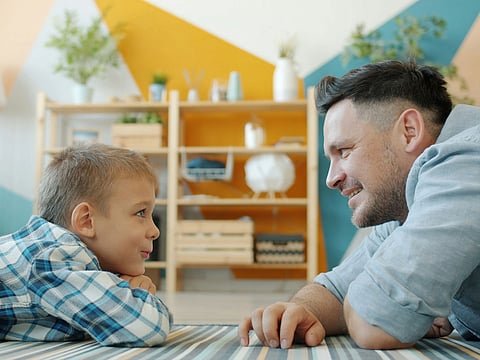
When a crisis strikes, adults often focus on managing the immediate realities - safety, logistics, information, and decisions. In the midst of this, it is easy to overlook the quiet observers around us: our children. Yet children are often the most deeply affected during such moments. Their understanding of the world is still developing, and while they may not fully grasp the nature of events unfolding around them, they are remarkably sensitive to the emotional climate in their environment. They sense worry, tension, and uncertainty even when no one explains what is happening.
This is why the first and perhaps most important rule when supporting children through a crisis is simple: never ignore their questions. Children will inevitably ask why things are different, why routines have changed, or why adults seem worried. These questions should not be brushed aside in an attempt to “protect” them and keep them safe. When their curiosity is left unanswered, children begin to fill the gaps with their own assumptions, which can sometimes be far more frightening than the truth.
Use simple language
Instead, conversations should take place at a level children can understand. Complex situations can be explained in simple, reassuring language that helps them make sense of the world around them. They do not need every detail, but they do need enough understanding to feel secure. Equally important is the balance between honesty and reassurance. While it may seem tempting to completely shield children from troubling realities, doing so is rarely effective. Children are perceptive; they listen to conversations, observe reactions, and read the emotions of the adults they trust. Attempting to hide everything may only increase their anxiety.
What matters most is the emotional tone adults set during these moments. Children look to their parents and caregivers for cues about how to react. If adults appear overwhelmed or panicked, children quickly absorb that fear. But when they see calmness, measured responses, and quiet confidence, it sends a powerful message: things may be difficult, but they are manageable.
Lessons in resilience
In many ways, crises become unintentional lessons in resilience. Children watch closely - not just what we say, but how we behave. Our reactions teach them how to face uncertainty, cope with adversity, and remain hopeful when circumstances are challenging. Avoid arguments and emotional outbursts in from of them. Speak to them only in moments and times when you are in control of your own emotions.
Another powerful way to support children is by helping them recognise what remains constant even during difficult times. Encouraging them to count their blessings - family, safety, care, and togetherness. This will help ground them emotionally. Gratitude can act as an anchor when the world around them feels unsettled. It will also shift their attention to all that is positive in their lives and in turn help them spread positivity.
Ultimately, children learn their response to adversity from the adults guiding them. When they witness patience, positivity, and courage, they begin to internalise those same qualities. Crises will inevitably arise in life, but they also offer an opportunity to shape something lasting within our children - the confidence that challenges can be faced with calm, compassion, and strength.
In the end, it is not just the crisis that children remember - it is how the adults they trust chose to face it.
Dr Sheeba Jojo is an educator living in the UAE


