Why UAE dining trends are changing in 2026: Grill, olive oil and coffee craft lead the way, say chefs
2026 dining in the UAE is turning down the noise—flavours, fire and coffee speak
2025 tasted of matcha.
Well, for most of us, at least. Even if you didn't drink it, you couldn't escape it. It was everywhere.
Once the green drink of the Samurais, it became the global health fad. Matcha found its way into puddings, cakes, coffees, boba teas and it’s almost a wonder that our dreams weren’t green by this point. TikTok experimented, social media reeled and people took note.
And if it wasn’t matcha, it was the year of heavy sauces, the return of pistachio and the protein shakes.
We ate, plated and were very satiated.
But 2025 is behind us now and there’s a tonal shift for 2026. We might just be heading into a world where the flavours breathe and the ingredients are allowed to speak for themselves.
Welcome to the quieter, smarter future of food, folks. As we begin the new year, the message coming from chefs, restaurateurs and beverage specialists is strikingly aligned: less noise, more meaning.
From spectacle to substance
‘My camera does not eat before me!’ A very annoyed Millie Bobby-Brown, the British actress from the Netflix phenomenon Stranger Things once said. She abhors the idea of taking photos of gorgeously plated food before eating.
But, we can’t say the same for the rest of us. Truth be told, we do love a good spectacle when it comes to our food. The more colourful, the better it looks on Instagram. Yes, sorry Millie, our camera eats before we do.
But, as Dubai chefs ascertain, that era might be slipping away. From what they have seen, diners are a lot more savvy now, less impressed by novelty for novelty’s sake.
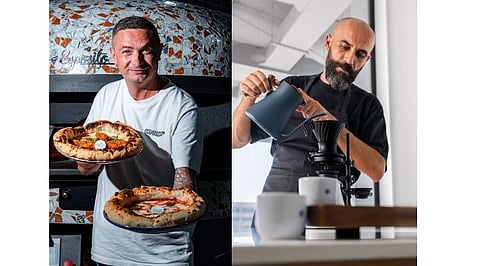
Bart Misztal, Brand Founder and Owner of Naughty Pizza in the UAE and UK, sees 2026 as the moment that shift becomes impossible to ignore. According to him, the industry is entering ‘a clear return to authenticity, simplicity and quality’. It is propelled by growing fatigue around over-complicated concepts and low-quality international brands that prioritise image over substance.
This fatigue has been visible in fast-expanding dining cities, where restaurants spent years trying to be everything at us, multiple cuisines and maximum appeal, often erasing their own sense of identity. That phase, Misztal suggests, is finally running out of steam. As he puts it, many venues attempted to cover multiple cuisines under one roof, “often at the expense of clarity and consistency,” and consumers are no longer buying into it.
Moreover, there’s a growing appreciation for cleaner, and just more honest food as Georgios Kolettas, Head Chef, Ilios (Abu Dhabi) says.
‘Food without manipulation’
No doubt, you feel the zing when you experiment with different, heavy sauces. A thick sauce has the ability to transform a dish completely, to the extent that you might even forget what the original ingredients taste like.
Well, 2026 might be the year when you slow down. You feel the textures. As Kolettas notes, guests now want to genuinely taste what they’re eating, be it some good olive oil, fresh fish or seasonal vegetables and well-sourced meat. “The focus will be on ingredient quality, balance and clarity. When the product is strong, it doesn’t need to hide behind layers of technique.”
So, what are the ingredients, flavours or cooking techniques that will be essential for this year? He answers: High-quality olive oil drizzled over smoky grilled vegetables, fermented dairy adding tangy creaminess, fresh herbs and citrus lending vibrant notes “Fire-based cooking will continue to play an important role, grilling, baking and slow cooking done with precision rather than excess. In Greek and broader Mediterranean cuisine especially, we’ll see less reliance on heavy sauces and more respect for the ingredient itself. The technique becomes quieter, but more intentional, allowing flavour, texture and seasonality to take centre stage.”
On the other hand, Goktug Kandis, Head Chef, The Banc believes there will be a move towards deeper, umami-driven flavours and global spices will be used more thoughtfully and with greater restraint.
“Ingredients like miso, koji, tahini, chilli oils and heritage grains are becoming everyday kitchen staples rather than niche additions. It’s less about novelty and more about how these elements are layered and balanced, using technique and precision to create depth without overcomplicating the plate,” he says.
Sustainability without slogans
It’s no longer a marketing hook. It’s a growing demand, as people want to know where the food is sourced from. Misztal believes, plant-based and alternative proteins, will become a permanent part of menus — but not as replacements. “Guests want choice, transparency and quality – not trends forced onto them,” he says. The focus, he adds, should be on better sourcing, reducing waste and making smarter decisions, rather than chasing labels or marketing claims.
Kandis echoes that sentiment. By 2026, he believes sustainability won’t be a trend at all, but an expectation. Menus will naturally become more plant-forward, with a stronger emphasis on responsible sourcing, seasonality and reducing waste. Plant-based dishes, he says, will move beyond being an afterthought and instead be flavour-led, premium and considered, while alternative proteins will appear in familiar, comfort-driven formats.
Globally and locally, we’re seeing a shift away from oversized concepts towards more focused kitchens with clear identities. These restaurants tend to be more agile – able to adapt menus, work closely with suppliers and maintain quality without compromise...Mazlum Topcu, Co-Founder at The Banc
A calmer way to dine
To tweak the song from the Beatles, there should be places you remember.
The world is loud enough already, let your meal times be a little quieter.
After years of loud music, constant entertainment and stimulation, people want to slow down.“I believe dining will move towards calmer, more intimate experiences,” says Mazlum Topcu, Co-Founder, The Banc. Perhaps, this is the year, atmosphere, pacing and comfort will matter more than the spectacle. Dining, he believes, becomes about conversation, connection and the rhythm of the meal — with food back at the centre.
Misztal sees the same return to fundamentals. Guests are becoming less impressed by theatrical dining for its own sake, he says, and more interested in authenticity, consistency and food made with care.
People want to sit, talk, share a meal and enjoy the moment. Restaurants that create calm, well-considered spaces where the experience is not rushed or overstimulated, adds Kolettas.
Food predictions for 2026, anyone?
The best thing since sliced bread is, bread served with exceptional oil. And that’s not going anywhere this year.
Moreover, as Kolettas says, frilled fish with minimal garnish, raw or lightly cured seafood, and simple vegetable dishes executed perfectly will stand out.
Your Greek salads and hummus generously dosed with olive oil (this really is the enchantment of all time), and shakshukas are eying you. It’s the year that Mediterranean food will grow, as Kolettas predicts. “I also see room for subtle, respectful fusion – such as Greek and Middle Eastern or Mediterranean and Asian influences – but only when it feels natural,” he notes.
However he does emphasise: The key is restraint. Fusion should enhance a dish, not confuse it. When the original identity is respected, these small cross-cultural touches can feel fresh without losing authenticity.
Meanwhile, Kandis points to Turkish–Anatolian food as one gaining wider recognition. Grounded in seasonality, technique and generosity, it offers strong flavours without overpowering the palate. What makes it relevant heading into 2026, he says, is its balance — comforting, culturally rich and deeply connected to quality ingredients.
However, when it comes to cuisine, neither chef believes in chasing the next big thing. Food trends move fast, Misztal notes, making it difficult to single out one style that will dominate Still, some cuisines feel particularly aligned with the mood of the moment.
The evolving tastes
People still want comfort for sure, but are more careful about balance and portion size, as Topcu explains. And this is no longer niche behaviour. Visual appeal still matters, but it’s moving away from pure Instagram moments towards authenticity, quality and how a restaurant makes people feel.
What’s happening with coffee?
Coffee lovers are in for a brewed awakening. The rich aroma of freshly roasted beans, the gentle hiss of the espresso machine, the velvet texture of a perfectly pulled shot—these are the experiences defining 2026.
Serkan Sagsoz, Head of Coffee, Julith, promises precise roasting, controlled extraction and brewing accuracy will define quality, more than syrups or artificial enhancements. “On the flavour side, natural profiles derived from origin and processing – floral, fruit-forward or complex chocolate notes – will be the focus,” he says.
In the world of coffee, origin plays the role of cuisine. There’s a story behind every bean, particularly micro-lots from smaller farms and lesser known regions. Coffee is slowly moving away from being just a beverage; it’s in desserts, savoury dishes and tasting menus.
Furthermore, plant-based milks are already well established, but the conversation is shifting towards quality and compatibility with coffee, as Sagsoz, notes. This year, it won’t be about how many alternatives you offer, but how well they work with the coffee itself. Reducing waste – from grounds to packaging – will also become a key part of responsible coffee programmes.
Technique will matter more than added flavour in 2026. Precise roasting, controlled extraction and brewing accuracy will define quality far more than syrups or artificial enhancements. On the flavour side, natural profiles derived from origin and processing – floral, fruit-forward or complex chocolate notes – will take centre stage....Serkan Sagsoz, Head of Coffee at Julith
What diners can take from it all
For diners looking to stay ahead of the curve, the advice is surprisingly simple. Start with authenticity. Choose places that feel genuine, where food is made with care and intention, not just for social media. Eat what genuinely excites you, not what’s trending or priced to impress.
Mediterranean cuisine will continue to grow, particularly when it stays authentic and rooted in tradition. I also see room for subtle, respectful fusion – such as Greek and Middle Eastern or Mediterranean and Asian influences – but only when it feels natural. The key is restraint.Georgios Kolettas, Head Chef, Ilios (Abu Dhabi)
So, in a snapshot, food trends of 2026:
Flavours and ingredients:
Simpler, cleaner dishes letting ingredients shine.
Focus on high-quality olive oil, fresh herbs, citrus, fermented dairy, fresh seafood, and seasonal vegetables.
Respect for natural flavours over heavy sauces or gimmicks.
Cooking techniques:
Fire-based methods: grilling, baking, slow cooking, done with precision.
Techniques are quieter, more intentional, emphasising texture, balance, and seasonality.
Cuisine and fusion:
Mediterranean (Greek, Middle Eastern) and Turkish–Anatolian gaining attention.
Subtle, respectful fusion
Less chasing novelty, more focus on identity and balance.
Taste and dining experience:
Shift from spectacle to substance and authenticity.
Diners seek comfort, balance, proper portion sizes, and mindful eating.
Calmer, more intimate dining experiences with emphasis on conversation and connection.
Sustainability and sourcing:
Sustainability as expectation, not trend.
Plant-forward dishes, alternative proteins as choice, not replacement.
Emphasis on responsible sourcing, reducing waste, and ingredient transparency.
Coffee trends:
Focus on origin, natural flavour profiles, precise roasting and extraction.
Coffee as an experience, integrated into tastings, desserts, and cultural education.
Plant-based milks optimised for compatibility, not just variety.
Reduced waste from grounds to packaging becomes part of responsible programmes.


