Timothée Chalamet sparks outrage after claiming 'no one cares' about ballet and opera
Oscar-winning actor Jamie Lee Curtis also weighed in into the debate
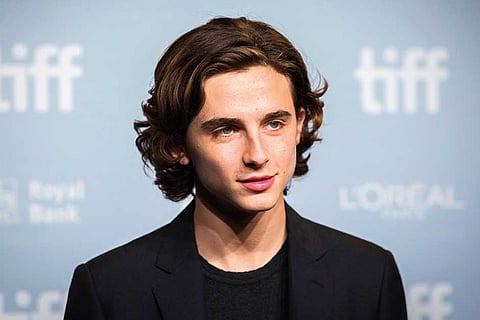
Oscar-nominated actor Timothée Chalamet has found himself at the centre of a cultural debate after comments about ballet and opera sparked criticism from artists across the performing arts world. The remarks made during a public conversation with Matthew McConaughey were intended as a discussion about the future of cinema, but quickly drew backlash from dancers, opera performers and fellow actors.
What Chalamet said
Speaking at the University of Texas at Austin in February, Chalamet discussed the challenge of keeping cinema culturally relevant. During the conversation, he contrasted filmmaking with traditional stage art forms.
“I don't want to be working in ballet, or opera, or things where it's like, ‘Hey, keep this thing alive, even though like no one cares about this anymore,’” he said.
The actor quickly attempted to soften the remark. “All respect to all the ballet and opera people out there,” he added, before joking about the fallout.“I just lost 14 cents in viewership. I just took shots for no reason.”
The exchange, later shared online by Variety, quickly circulated on social media, triggering a wave of responses from the arts community.
Performing arts community pushes back
Many artists said the remarks dismissed disciplines that require years of training and remain culturally vital.
Canadian mezzo-soprano Deepa Johnny described the comment as a 'disappointing take', stressing that artists across different mediums should support each other rather than diminish other forms of creative expression.
Meanwhile, visual artist Franz Szony wrote that ballet and opera have endured for centuries because of their artistic depth and the discipline required to perform them.
Others in the dance world were equally blunt. Choreographer Martin Chaix argued that ballet is far from fading away.
“If anything, in a world where AI is reshaping cinema faster than most realise, the unmediated human presence of ballet and opera becomes more essential, not less,” he wrote, adding that he hoped Chalamet might eventually 'find his way into a theatre.'
Opera houses and ballet companies defend the art
Major institutions also weighed in to defend the vitality of the performing arts.
The English National Ballet said ballet remains “alive and well and thriving,” pointing to strong audience turnout and digital engagement.
“Over 200,000 people joined our performances,” the company wrote on Instagram. “Our social content saw more than 65 million impressions.”
American choreographer Kam Saunders who has worked as a dancer on Taylor Swift’s Eras Tour offered a succinct reaction to the controversy: “Yikes.”
Jamie Lee Curtis weighs in
Oscar-winning actor Jamie Lee Curtis also weighed in, resharing a post that questioned why one art form should undermine another.
“Why are any artists taking shots at any other artists?” she asked in an Instagram Story.
Broadway dancer Zach McNally echoed the sentiment in a video post, arguing that the arts should be united at a moment when technology threatens many creative industries.
“Artificial intelligence threatens literally all art forms,” he said. “Except performing arts like plays, ballets, operas and musicals.”
Opera company turns the controversy into marketing
Not everyone reacted defensively. Some arts organisations used the moment to promote their performances.
The Seattle Opera launched a tongue-in-cheek promotion for its production of Carmen, offering a discount code inspired by the actor.
“All we’ve got to say is use promo code TIMOTHEE to save 14% off select seats for Carmen,” the company wrote. “Timmy, you’re welcome to use it too.”
A debate that has surfaced before
The controversy has also revived earlier comments from Chalamet suggesting he has long worried about the future of cinema.
During an appearance on The Graham Norton Show in 2019, the actor said he feared film might one day feel like an “outdated” art form.
“I was kind of getting scared when I was younger that maybe cinema was becoming like opera or something,” he said.
The irony of the remarks has not been lost on critics particularly given Chalamet’s own family ties to the dance world. His mother, Nicole Flender, worked as a ballet teacher for more than two decades, while his grandmother Enid Flender performed as a dancer in mid-century musicals.


