Hollywood star Matthew Mcconaughey trademarks himself to stop AI deepfakes
Actor banks on federal trademarks of voice, images to deter AI clones and unauthorized use
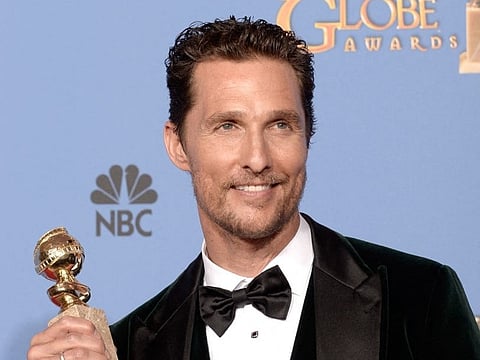
Actor Matthew McConaughey has taken an unusual legal step in the growing contest over artificial‑intelligence misuse by securing trademarks tied directly to his own voice, expressions and likeness, creating what his legal team says could become a new tool to combat unauthorized AI fakes.
According to filings approved by the US Patent and Trademark Office (USPTO), McConaughey has had eight trademark applications granted that cover video and audio clips associated with his public persona — including his well‑known phrasing of “Alright, alright, alright” and footage of him simply staring into a camera. These trademarks are intended to give McConaughey’s team a federal basis to challenge AI‑generated deepfakes or cloned content that uses his identity without permission.
As per WSJ reports, McConaughey’s legal representatives say that while he has not yet been targeted by unauthorized AI reproductions, the trademark strategy is proactive: by laying claim to specific uses of his image and audio at the federal level, lawsuits could be brought swiftly if cloned content appears online. In an era where AI tools can replicate voices and faces with increasing fidelity, legal boundaries around consent and ownership remain a moving target.
Current US law offers state 'right of publicity' protections that make it illegal to commercialize a person’s likeness without consent, but enforcement and scope vary by jurisdiction. Trademark protections, by contrast, operate under federal intellectual property law, which McConaughey’s camp hopes will give them clearer leverage in court should AI misuse arise, particularly on platforms where AI content can be monetized indirectly.
The move comes at a time of intensifying concern in both Hollywood and the tech industry over the spread of AI‑generated deepfakes and virtual replicas of public figures. Performers such as Tom Hanks and Taylor Swift have also seen their images manipulated by AI, prompting calls for clearer regulation and stronger legal frameworks.
Legal experts caution that enforcing trademarks on a person’s voice or image is untested in federal courts and could prompt new legal interpretations. But supporters of McConaughey’s strategy say it underscores broader tensions in the age of AI — where the ease of replication outpaces existing laws, and where even personal identity may become subject to intellectual‑property tools traditionally used for brands and products.
As the entertainment and tech sectors continue to adapt to advances in generative AI, McConaughey’s trademark gambit may spark wider debate on how best to balance creative freedom, technology innovation, and individual rights in a world where digital likenesses are increasingly easy to fabricate and distribute.


