9 travel trends UAE fliers will follow when holidaying in 2026
From where to eat to how to plan, these shifts are redefining smarter, smoother trips
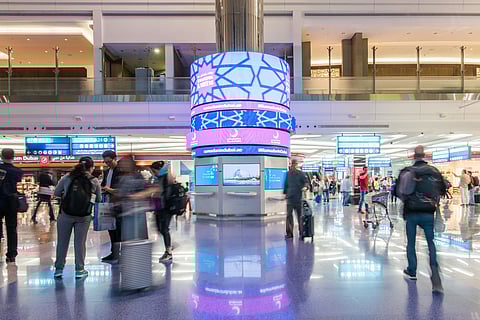
Dubai: Travel patterns are shifting again as UAE residents plan holidays for 2026, guided in part by insights gathered through Bloomberg Pursuits’ Two-Night Minimum city-guide series.
Industry data shows travellers are prioritising immersive experiences, neighbourhood discovery and culturally rooted dining rather than relying solely on traditional sightseeing lists or award-driven restaurants.
Booking platforms, tourism boards and hospitality consultancies report rising demand for places that offer social connection, third-culture cuisine and activity-based spaces such as padel clubs that often anchor emerging districts. At the same time, travellers are becoming more selective about whose advice they trust, filtering viral content through personal taste, experience and context.
These nine trends highlight what’s shaping smarter, smoother travel decisions for the year ahead.
1. Social gaming becomes a new way to meet locals
Board-game cafés, mahjong classes and card-game meetups are replacing running clubs as easy entry points into local communities. Venue data in major cities shows rising demand for gaming spaces that double as social hubs, a trend mirrored in Dubai’s growing roster of activity-driven cafés.
2. Neighbourhoods matter more than landmarks
Travel analysts say visitors now organise itineraries around places to dine and shop rather than monuments. Surveys show most travellers reach major sights anyway while exploring restaurant districts or arts areas, reducing the need to plan around single attractions.
3. Restaurant rankings take a back seat
International lists still drive curiosity, but booking platforms show travellers increasingly rely on aggregate review systems such as Opinionated About Dining to find mid-range restaurants with consistent feedback. The shift reflects demand for strong meals without premium tasting-menu pricing.
4. “Vibe dining” reshapes evening plans
Hospitality consultancies report a rise in restaurants and lounges designed for atmosphere first and food second. Hotels in cities like Dubai and London are turning communal lobbies, rooftop bars and lounge spaces into central gathering points for both visitors and residents.
5. Sports venues signal rising districts
Padel courts often appear early in fast-changing neighbourhoods alongside coffee shops, fitness studios and independent galleries. Booking trends show these clusters attract visitors looking for places where sport, food and culture overlap — Al Quoz remains the UAE’s strongest example.
6. Third-culture cuisine leads dining discovery
Visa-spending data points to travellers seeking food beyond national stereotypes, driven by immigrant-led restaurants and fusion kitchens. In Dubai, demand continues to rise for Indian and South Asian dining thanks to population demographics, while cities from Milan to Tokyo show similar patterns.
7. Smarter vetting of social-media travel tips
Travellers increasingly check how long content creators spent in a destination before trusting recommendations. Research groups advise prioritising posts with recent travel dates and detailed context, as short visits often miss local institutions and neighbourhood standouts.
8. Travel agents remain useful — but selective
Premium planners allocate more time to itineraries with higher budgets, according to industry surveys. UAE-based travellers wanting personalised planning weigh experience levels and regional expertise, while others keep control by independently managing hotel and dining bookings.
9. AI-assisted planning drives efficiency, not decisions
Algorithms and booking tools now help compare prices and manage logistics, but travellers rely on word-of-mouth, neighbourhood knowledge and trusted review sources to select final options. Agencies say blended planning — tech for structure, human insight for taste — is becoming the norm.