A weaker rupee is stretching Gulf NRI property budgets. These Indian markets are winning
Mumbai leads as NRI buyers chase airports, metro links, rental income and long-term growth
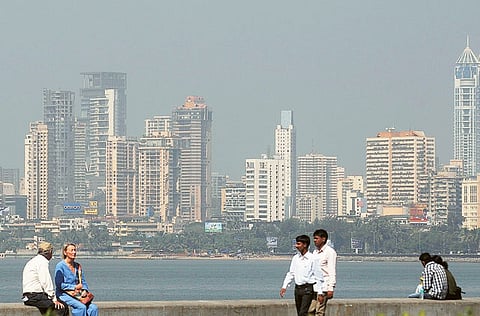
Dubai: A weaker Indian rupee is giving Gulf-based NRIs greater buying power in India, with investors increasingly targeting neighbourhoods linked to new airports, metro lines, business districts and strong rental demand.
Mumbai and its surrounding metropolitan region continue to attract the largest share of interest, followed by Bengaluru, Hyderabad, Pune and Delhi-NCR. Buyers are also looking at emerging locations such as Navi Mumbai, Panvel and Ahmedabad’s GIFT City for longer-term growth.
Get updated faster and for FREE: Download the Gulf News app now - simply click here.
The search has moved beyond established addresses, with investors placing greater weight on infrastructure, employment growth, rental income and the ability to resell the property later.
“NRIs today aren't chasing a prestigious pin code so much as they're chasing growth: better infrastructure, better quality of life, and a market that's actually moving forward,” said Bhadresh Shah, Managing Director of Today Group.
Jobs and infrastructure are really what's steering the decision. In Mumbai that means Navi Mumbai, Panvel, Kharghar, and the belt around the new airport. Bengaluru is seeing action in Whitefield and North Bengaluru, Hyderabad in the Financial District, and Pune along its western corridors. Across the board, NRIs are looking for the same things: solid connectivity, development that's actually planned rather than haphazard, and room for future economic activity.

Weaker rupee stretches NRI budgets
The continued depreciation of the rupee against the US dollar and the UAE dirham is allowing overseas Indians to obtain more rupees for the same amount of foreign currency.
Santhosh Kumar, Vice Chairman of ANAROCK Group, said the currency advantage was strengthening purchasing power across the country’s main property markets.
“The Indian rupee’s continued depreciation against the US dollar and the AED is boosting NRI purchasing power in India. The currency and yield-gap dynamics are, in fact, an active driver of cross-border capital flows,” he said.
The Indian rupee’s continued depreciation against the US dollar and the AED is boosting NRI purchasing power in India. The currency and yield-gap dynamics are, in fact, an active driver of cross-border capital flows. NRIs should bear in mind that developer credibility varies a lot between micro-markets, so city rankings should not be the sole investment criterion.
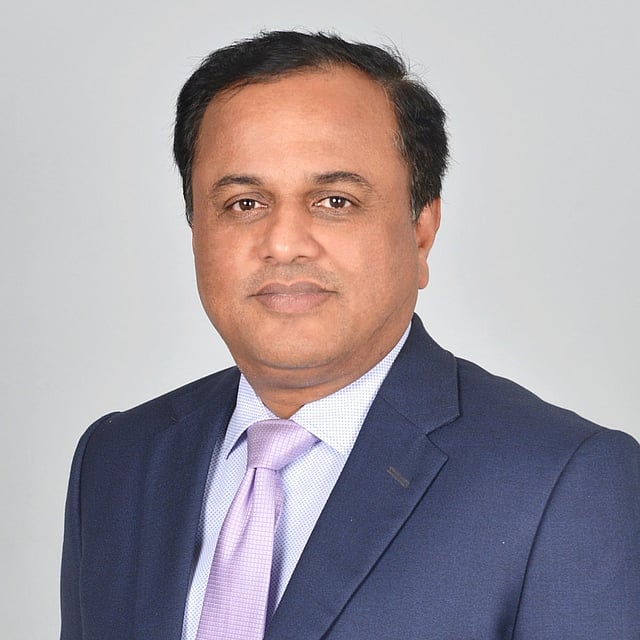
GCC-based professionals remain among the most active NRI property buyers, according to Parthh K. Mehta, Chairman and Managing Director of Paradigm Realty.
Demand from this group is concentrated in RERA-compliant developments across Mumbai, Bengaluru, Delhi-NCR, Hyderabad and Pune, with luxury homes drawing a growing share of investment.
Premium apartments priced above ₹1 crore accounted for 62% of residential sales across India’s seven largest cities during the first half of 2025, compared with 51% a year earlier, according to JLL India data cited by Mehta.
NRI equity investment limits in listed Indian companies have been doubled from 5% to 10%, with the aggregate cap raised to 24%. The Budget also introduced the City Economic Region framework for ecosystem-level urban planning. With the government's capital expenditure allocation at ₹12.2 lakh crore and the IMF projecting India's GDP growth at 6.4% for FY27, the structural environment for NRI real estate investment is at its the most favourable in a decade.

Mumbai remains the main draw
Mumbai continues to lead NRI demand, although buyers are dividing their attention between expensive central locations and newer growth corridors.
Khar West, Worli, Lower Parel and Powai are attracting buyers seeking established luxury neighbourhoods, rental demand and proximity to major employment centres.
Pali Hill, Bandra, the area surrounding Bandra Kurla Complex and Mumbai’s coastal districts are also seeing interest from buyers looking for wealth preservation and high-end homes.
Vishal N Ratanghayra, Founder and Chief Executive Officer of Platinum Corp, said NRI buyers were prominent in high-value purchases across these locations.
“NRI buyers currently dominate high-ticket purchases in the luxury segment in these pockets, a move that combines wealth preservation with a prestige location and long-term capital appreciation potential,” he said.
Redevelopment has unlocked new potential for Mumbai, by replacing ageing stock with luxury developments in some of the city’s most coveted locations. Demand in Worli and Lower Parel is primarily led by ultra-luxury developments and coastal views, while Khar West is gaining momentum for its upgrade lifestyle and high rental demand.

Interest is also moving towards Chembur, Borivali and locations along Mumbai Metro Line 3 and the Coastal Road corridor.
Navi Mumbai attracts long-term buyers
Navi Mumbai, Panvel, Kharghar and Upper Kharghar have emerged as some of the most closely watched locations among NRIs seeking lower entry prices and longer-term appreciation.
The Navi Mumbai International Airport, Atal Setu, metro expansion and wider transport links are opening up new residential and commercial corridors across the region.
Newer locations can also offer larger homes and planned communities that are difficult to find within central Mumbai.
Bhadresh Shah said infrastructure was creating a structural change across Navi Mumbai and Panvel, giving investors an opportunity to enter before these areas become fully developed.
“Globally, real estate values have always moved with infrastructure, and India is no exception. Betting on a market that's still growing tends to pay off far better than trying to time short-term cycles,” he said.
Technology hubs remain popular
Employment centres continue to influence where NRIs buy outside Mumbai.
Hinjewadi, Baner and Kharadi are among the preferred locations in Pune due to their technology campuses, office demand and expanding transport networks.
Hyderabad buyers are focusing on Gachibowli, HITEC City, Kokapet and the Financial District, while Whitefield and North Bengaluru remain popular due to their technology and business ecosystems.
Sector 150 in Noida and the Dwarka Expressway corridor are drawing attention in Delhi-NCR, supported by infrastructure development and access to the upcoming airport at Jewar.
GIFT City near Ahmedabad is also attracting NRI interest as its financial services ecosystem expands.
Kolkata, Coimbatore, Indore and Visakhapatnam offer lower entry costs and percentage growth potential, although buyers may face thinner resale liquidity than in the largest metropolitan markets. Kolkata offers rental yields of as much as 6.3%, according to ANAROCK.
Check the rules before paying
NRIs can purchase residential and commercial property in India but cannot ordinarily buy agricultural land, plantation property or farmhouses.
Payments must be made through permitted banking channels, including NRE or NRO accounts or foreign remittances through authorised banks. Cash transactions are not allowed.
Buyers purchasing remotely should check the title, approvals, RERA registration and the developer’s delivery history before signing an agreement. A properly drafted Power of Attorney may also be required when the buyer cannot complete the transaction in person.
“Location matters, but so does who you're buying from. Stick with developers who have a real track record of delivering on time and being transparent about it,” Shah said.
Tax obligations can include tax deducted at source, capital gains tax on resale and income tax on rental earnings. Repatriating the proceeds of a sale also requires tax clearance and compliance with Reserve Bank of India and FEMA rules.
ANAROCK said repatriation is generally limited to $1 million per financial year or the sale proceeds of two residential properties, subject to the applicable conditions and documentation.
Property sale process set to become easier
The Union Budget 2026-27 introduced a change intended to simplify purchases from NRI property owners.
Resident buyers purchasing a property from an NRI will not need to obtain a Tax Deduction and Collection Account Number from October 1, 2026. They will instead be able to deduct and deposit the required tax using a PAN-based challan.
The change is expected to reduce paperwork during resale transactions involving NRI sellers and resident Indian buyers.
India’s new Income-tax Act also took effect on April 1, 2026, modernising and renumbering several compliance forms used for taxation and overseas remittances.
The reforms may make transactions easier, but experts cautioned against choosing a property based only on currency savings, emotional ties or a city’s overall ranking.
“NRIs should bear in mind that developer credibility varies a lot between micro-markets, so city rankings should not be the sole investment criterion,” Kumar said.
Rental demand, resale liquidity, title verification and the quality of the developer remain central to whether a property delivers sustainable returns after the initial currency advantage has faded.