US Federal Reserve keeps key interest rate unchanged again amid Iran war
Policymakers voted to keep target range for benchmark rate between 3.50% to 3.75%
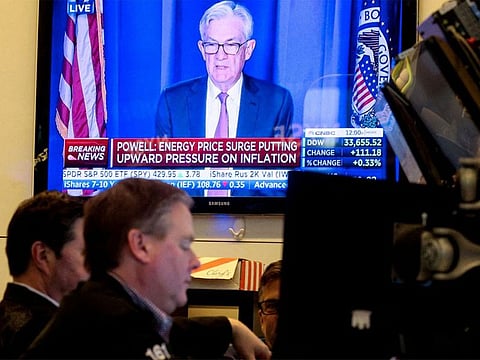
Dubai: The US Federal Reserve held interest rates steady on Wednesday, in line with expectations, as the US-Israel war with Iran pushes up oil prices and clouds the economic outlook amid emerging signs of weakness.
The Fed, which penciled in one rate cut in 2026, cut rates three consecutive times last year before holding them steady at its January meeting.
With war in the Middle East causing oil prices to spike, potentially fueling inflation and curbing growth, analysts earlier flagged that policymakers are unlikely to make any immediate moves.
Stay updated: Get the latest faster by downloading the Gulf News app - it's completely free. Click here for Apple or here for Android. You can also find it on the Huawei AppGallery.
However, the latest decision came in defiance of President Donald Trump as the world's largest economy battles stubborn inflation, weak labor demand and an "uncertain" economic outlook due to the war in Iran.
The Fed's 11-1 vote kept rates steady at a range between 3.50 percent and 3.75 percent, with officials flagging one expected rate cut by the end of the year.
"The implications of developments in the Middle East for the US economy are uncertain," the Fed said in a statement.