US crude oil inventories fall sharply, drop to lowest level in nearly 2 years — EIA
Emergency US oil reserves hit near two-year low amid global supply shock
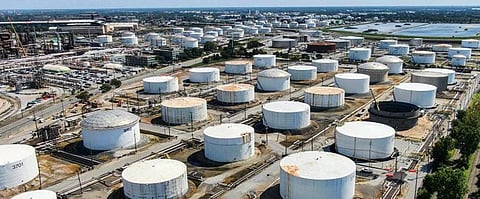
US crude oil inventories fell sharply last week while emergency petroleum reserves dropped to their lowest level in nearly two years, according to new government data, as the war involving Iran continues to disrupt one of the world’s most critical energy chokepoints.
The latest figures from the US Energy Information Administration (EIA) showed commercial crude inventories declined by 7.9 million barrels for the week ending May 15, far exceeding analyst expectations for a smaller drawdown.
At the same time, the Strategic Petroleum Reserve, or SPR — America’s emergency crude stockpile — fell by another 9.9 million barrels, marking the eighth consecutive week of declines.
Strategic Petroleum Reserve: The SPR was created in the 1970s after the "oil embargo" to provide emergency crude supplies during severe disruptions.
The drop pushed the reserve to its lowest level since July 2024.


Disruptions
The inventory declines come amid escalating energy market disruptions tied to the Iran conflict that erupted in late February 2026.
Fighting and heightened military tensions around the Strait of Hormuz have severely constrained tanker traffic through the narrow waterway between Iran and Oman, one of the world’s most important oil transit corridors.
Energy analysts estimate the disruption has reduced global oil flows through Hormuz by roughly 16 million barrels per day, tightening international supply and increasing pressure on refiners and governments worldwide.
US ramps up refinery activity
The US has responded partly by maintaining elevated refinery activity. EIA data showed refinery utilisation climbed to 91.6% of capacity last week as operators attempted to maximize fuel production amid rising demand and tightening global supply conditions.
Gasoline prices have surged alongside the supply crunch.
The US national average price for regular gasoline rose to $4.49 per gallon this week, according to industry tracking data, reflecting the highest sustained levels since the energy shocks that followed Russia’s invasion of Ukraine earlier in the decade.
Analysts say the sustained SPR releases are helping cushion the immediate impact of falling commercial inventories but are also raising concerns about America’s emergency preparedness should the conflict worsen or spread further across the Middle East.
Strategic Petroleum Reserve (SPR)
The Strategic Petroleum Reserve (SPR) was created in the 1970s after the Arab oil embargo to provide emergency crude supplies during severe disruptions.
Stored in underground salt caverns along the Gulf Coast, the reserve historically has served as a key buffer against geopolitical shocks and natural disasters.
Since the Iran war began, the SPR has shed roughly 10% of its holdings.
Industry publication Oilprice.com reported that US commercial crude inventories have effectively erased all stockpile gains accumulated earlier in 2026 within just five weeks.
The publication said “massive SPR releases” were masking what otherwise would appear as a much steeper domestic supply drawdown.
What inventory decline shows
Energy market observers say the inventory decline highlights the increasingly global nature of the crisis.
The US remains one of the world’s largest oil producers, crude prices and fuel markets remain deeply tied to global shipping routes and Middle East supply stability.
Roughly one-fifth of the world’s oil consumption typically passes through the Strait of Hormuz.
The conflict has also renewed debate in Washington over long-term energy security and how aggressively the government should continue drawing down emergency reserves.
Oil traders are now closely watching whether diplomatic efforts to stabilise Gulf shipping lanes can gain traction or whether the conflict will continue to squeeze global energy supplies heading into the northern hemisphere summer travel season.
Some lawmakers and analysts argue the SPR exists precisely for moments like the current crisis.
Others warn that prolonged releases could leave the United States with less flexibility if another major disruption — such as a hurricane season impact or wider regional war — occurs later this year.


