UAE petrol prices are lower than rest of the world despite June increase
Crude prices have cooled sharply in recent days. So how much did UAE fuel prices rise?
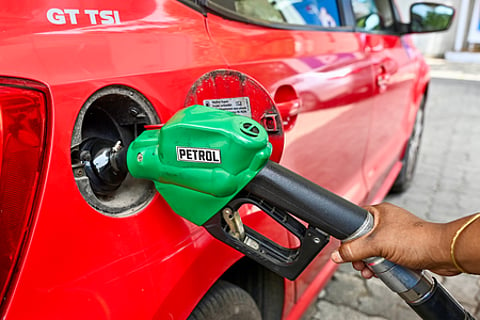
Dubai: UAE motorists are paying more at the pump for a fourth straight month, with petrol prices rising by nearly 8% in June. Yet despite the increase, local fuel costs remain below many major international markets as global oil prices cool from recent highs.
New June fuel prices are: Super 98, Special 95, and E-Plus 91 was up between 7.9% and 8.0%, while the costs of diesel was down 7.7%. The latest revision extends the gains in petrol prices, but compared with the dramatic jumps seen in April and May, June's increase is far less dramatic.
Get updated faster and for FREE: Download the Gulf News app now - simply click here.
Crude prices have cooled sharply in recent days. Brent crude, which surged above $110-$120 per barrel earlier this year during the height of Gulf shipping disruptions, has since fallen to around $91-$95 as optimism grows around US-Iran negotiations and a longer-lasting ceasefire.
That means June could become a transition month where fuel prices remain elevated, but the pace of increases begins to slow.
How much are you paying?
Even with oil prices cooling, motorists are still paying substantially more than they were earlier this year. Super 98 prices have moved from Dh2.45 in February to Dh3.95 in June — an increase of approximately 61%.
For a typical 60-litre sedan:
February fill-up: Dh147
June fill-up: Dh237
Difference: Dh90 per tank
For an 80-litre SUV:
February fill-up: Dh196
June fill-up: Dh316
Difference: Dh120 per fill
The latest increase is also being felt immediately. Compared to May, motorists are paying about Dh17.40 more to fill a 60-litre tank with Super 98. For an 80-litre SUV, the additional cost works out to roughly Dh23 per fill.
For motorists filling up several times a month, fuel bills remain significantly higher than they were before the oil market shock triggered by the regional conflict.
Why prices no longer surge
The biggest change is happening in the oil market. Back in March and April, fears of prolonged disruptions in the Strait of Hormuz pushed Brent crude above $110-$120 per barrel.
Shipping activity slowed sharply and traders began pricing in worst-case supply scenarios. Today, the picture looks different. Brent has fallen below $100 per barrel as markets respond to signs of progress in US-Iran talks and expectations that shipping routes could gradually normalise.
Oil is still elevated compared with early 2026, but the panic-driven buying that fuelled earlier spikes has eased considerably.
How UAE compares with others
Despite the latest increase, UAE fuel prices remain below many heavily taxed international markets.
According to GlobalPetrolPrices.com, a widely recognized database that tracks retail fuel prices across more than 150 countries, the global average gasoline price currently stands at about $1.54 (Dh5.7) per litre, or roughly $5.83 per gallon.
United States: Petrol prices remain above $5 per gallon in many regions despite recent declines in crude oil.
Europe: Drivers continue to pay significantly more due to high fuel taxes and VAT.
South Africa: June saw petrol prices rise by about R1.43 per litre to R28 (Dh6.3), while diesel prices dropped sharply.
Philippines: Authorities announced one of the largest rollbacks in recent months, cutting gasoline prices by P4.76 per litre from P95.00 (Dh5.6) and diesel by P9.26 from P92.00.
Bangladesh: Petrol and octane prices were raised by BDT5 per litre in June to BDT145 (Dh4.34), marking the second increase in roughly six weeks as authorities moved to align domestic fuel prices with global market trends.
The UAE's market-linked pricing system means local prices move more directly with global oil markets, unlike countries where governments absorb part of the increase through subsidies or fixed pricing mechanisms.
Why relief may still be limited
The recent drop in crude prices does not automatically translate into immediate savings at the pump.
The UAE calculates fuel prices using average oil prices from the previous month. Because crude spent much of May above April's average, upward pressure remained built into June pricing even as markets started cooling later in the month.
The Strait of Hormuz also remains a key factor. Around 20% of global oil and fuel supplies pass through the route, and shipping activity has not yet fully returned to normal levels. Markets remain highly sensitive to any change in regional tensions.
Will fuel prices rise next month?
June may become the first month where motorists start seeing the effects of cooling oil prices. If Brent crude stays closer to $90 rather than moving back above $100, UAE fuel prices could come under more downward pressure in the coming months.
April and May reflected the peak of disruption in global oil markets. June suggests those pressures may finally be easing. Fuel prices remain high compared to the starting months of 2026, but the pace of increases has slowed significantly as crude prices retreat from their recent highs.