Oil drops for a second day: Why a US-Iran deal could further drive oil prices lower
US-Iran deal hopes add pressure to global oil prices already on a downward trend
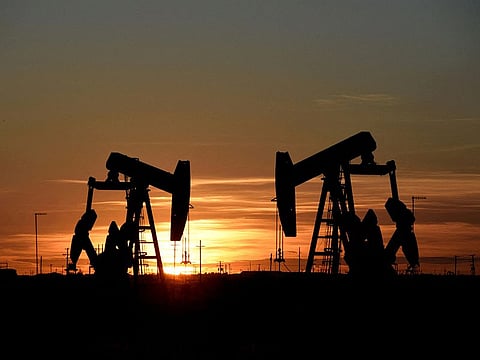
Dubai: After a rollercoaster start to the year, oil prices are once again sliding. Brent crude — the international benchmark — dropped for the second straight day, falling to around $64 a barrel.
One big reason? Growing chatter that the US and Iran may be close to reviving a nuclear deal, which could ease sanctions and bring more Iranian oil into the global market.
Why does a US-Iran deal matter for oil prices?
If Iran and the US strike a deal, it would likely allow Iran to legally export more oil again. That means more supply on the global market — at a time when demand growth is already slowing. More supply plus weaker demand? That usually spells lower prices.
President Donald Trump told reporters that the two countries are “getting close” to an agreement. While no deal has been confirmed yet, the market is already reacting to the possibility. Just the idea of Iranian barrels coming back has sent oil prices down — and if a deal is actually reached, we could see an even bigger dip.
Demand is cooling — and that’s also bad for prices
It’s not just the Iran situation weighing on oil. The International Energy Agency (IEA) recently said that global demand growth is slowing after a strong first quarter. Economic headwinds, especially in big economies like China and India, are starting to show up in oil consumption figures.
The IEA now expects demand to rise at a much slower pace for the rest of 2025 — just 650,000 barrels a day compared to nearly 1 million barrels daily at the start of the year. That’s a clear sign that the world’s need for oil isn’t growing as fast as many expected.
Too much oil, too little demand?
Add to that the fact that major producers like OPEC+ are increasing output, and you have a potential recipe for oversupply. The group has already announced production hikes through June, and some members — led by Saudi Arabia — may push for even more.
The result? Stockpiles of unused oil could start building up, pushing prices lower. If the US-Iran deal gets signed and Iranian exports restart, this supply glut could grow even faster.
So, what can we expect next?
All signs point to downward pressure on oil prices in the coming weeks. While there may be short-term rebounds — especially if tensions flare up again — the bigger picture suggests a softening market.
If you’re a driver in the UAE or anywhere else watching the pumps, that could be good news. Falling global oil prices typically lead to lower retail fuel prices in countries like the UAE, where monthly prices are adjusted based on global trends.
That said, oil markets are notoriously unpredictable. Geopolitical surprises, supply cuts, or unexpected demand spikes can still shift things quickly. But for now, the trend appears clear: unless a deal falls apart or demand suddenly rebounds, oil prices are likely to stay under pressure.


