Cheap tax advice can leave UAE small businesses facing bigger bills
New UAE tax club plans guidance, training and a verified adviser network for SMEs
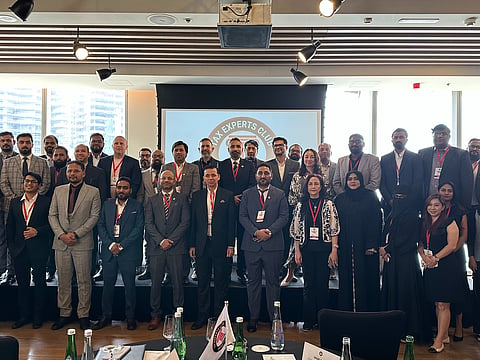
Dubai: Small businesses trying to cut costs by choosing the cheapest available tax advice could end up paying far more through incorrect filings, penalties and compliance problems, according to the founder of a new professional tax platform launched in Dubai on Tuesday.
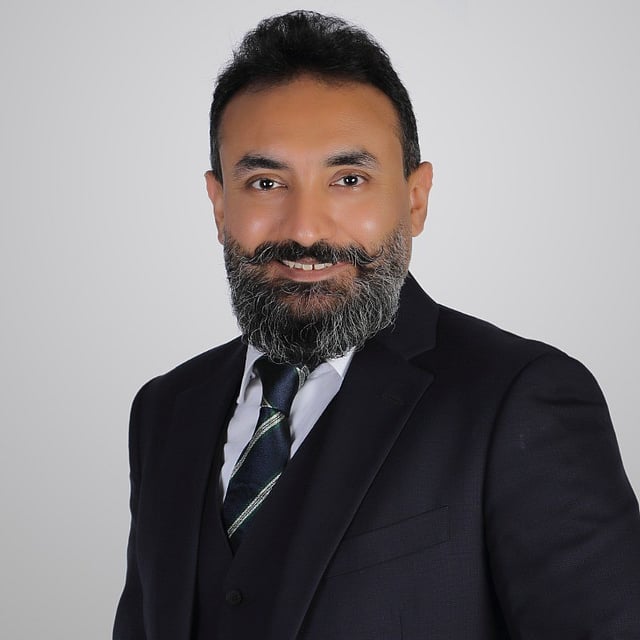
Saqib Iqbal, founder of the Tax Experts Club UAE, said smaller companies often struggle to access experienced advisers at a price they can afford, leaving some dependent on professionals who may not have the right qualifications or knowledge.
Get updated faster and for FREE: Download the Gulf News app now - simply click here.
Companies that turn down established advisers because of their fees frequently move to cheaper alternatives, he said, although the quality of that advice is far from certain.
“But that cheaper option is the right option. It's not obvious. That is the problem actually, and they end up getting into a trouble. They end up getting into a mess, and that creates a problem for them,” Iqbal said at the club’s launch.
The result can be further fines and incorrect advice from unqualified professionals or freelancers, he added.
Tax rules create new challenges
The Tax Experts Club UAE, according to its founder, was launched as companies adjust to a broader tax system that covers corporate tax, value-added tax, transfer pricing, the global minimum tax, and other compliance requirements.
Iqbal said professionals still lack a single platform where they can raise difficult questions, compare interpretations and work through new regulatory requirements together.
“When it comes to asking questions or when it comes to discussing things about tax, we do not actually have that kind of platform where we can actually come together and we can discuss things. It's always random stuff,” he said.
The club plans to bring together tax practitioners, accountants, auditors, finance professionals, consultants and business leaders through networking events, technical discussions and continuing professional development programmes.
Its planned activities are organised around six areas covering professional community building, education, engagement with government bodies, support for small and medium enterprises, tax employment and a marketplace connecting businesses with advisers.
Support planned for small businesses
One of the club’s main priorities will be creating a link between tax professionals and SMEs that cannot afford extensive advisory services.
The platform plans to hold quarterly tax workshops for smaller companies, publish compliance guides and resources, and create a list of verified tax advisers on its website.
Affordable advisory packages are also planned to connect SMEs with practitioners and tax firms participating in the club.
The problem is that these small and medium enterprises are sort of sometimes really underprivileged. They're not actually connected at the level where they should be connected. They're not actually getting the right level of guidance.
A committee will be formed to seek support from members willing to provide pro bono assistance to companies facing tax problems and unable to pay standard advisory fees.
Iqbal said the initiative would depend on tax professionals volunteering their time and expertise, with further details to be developed by the club’s founding members.
Training and recognised CPD programmes
The club also plans to provide continuing professional development programmes focused on UAE tax laws and local compliance requirements.
Its courses and events are expected to be endorsed by the Institute of Financial Accountants in the UK, allowing participants to use them towards CPD requirements where accepted by their professional bodies.
Iqbal said professionals studying international accounting qualifications have often learnt foreign tax systems that bear little relation to the markets where they eventually work.
The new programmes will therefore concentrate on UAE rules, regulatory updates and practical issues faced by local businesses and advisers.
Twelve CPD events are planned between August 2026 and January 2027, with a mix of physical sessions, online programmes, industry roundtables and networking events.
Job board and adviser marketplace planned
A dedicated job board for UAE tax professionals is also being developed to connect qualified candidates with companies and advisory firms.
Iqbal said employers can find it difficult to assess whether applicants have the required tax knowledge, experience and market value, while candidates lack a dedicated platform for opportunities in the sector.
The club also intends to establish an online marketplace where companies can find tax consultants and practitioners can secure assignments.
Both projects remain under development, with the marketplace expected to take between three and five months to build, according to the founder.
Specialist committees will cover technical matters, education, events, government relations, industry, technology and membership. A separate committee will focus on electronic invoicing.
Membership target set at 500
People attending Tuesday’s launch will be invited to become founding members without paying a fee during the first year.
Iqbal said the club may consider an annual charge of between Dh1,000 and Dh1,500 from the second year to cover its operating costs, although the amount has not been finalised.
The organisation aims to attract more than 500 members in 2026, followed by 1,000 in 2027 and 2,000 in the following year.
It also plans to establish regional chapters across the UAE and pursue engagement with the Federal Tax Authority, the Ministry of Finance and other government bodies through briefings, working groups and an annual tax policy forum.
The club’s role, Iqbal said, will be to give practitioners a place to develop their knowledge, build their careers and work collectively as the UAE tax system continues to develop.