Planning to mine crypto in the UAE? What every investor must know
From hidden costs to scams and proof of funds, what UAE residents must weigh before mining
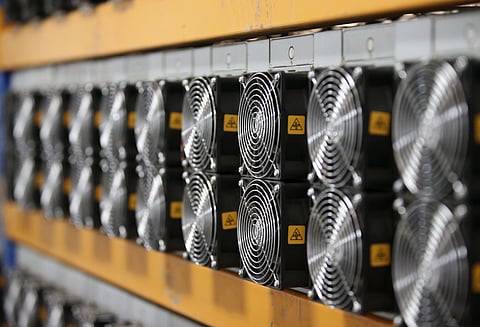
Dubai: As crypto prices recover and social media is flooded with “easy money” mining pitches, more UAE residents are looking at mining as a side income. Analysts say that is exactly when discipline matters most, because mining today looks much more like running a small business than a passive investment.
Rania Gule, Senior Market Analyst at XS.com, said interest is rising but expectations need a reset. She noted that mining is “no longer the fast track to wealth it is often marketed to be” and described it as a high risk activity that demands financial, technical and regulatory awareness rather than blind faith in online calculators.
Documentation first, profits later
The starting point for any UAE based miner is not hardware, it is paperwork. The country does not levy personal income tax or capital gains tax on individuals trading or holding digital assets for now, but both Gule and Joseph Dahrieh, Managing Principal at Tickmill, stressed that residents must still keep full records.
Dahrieh said UAE residents should document all crypto earnings and transactions, particularly when converting to dirhams. Banks want a clear, verifiable source of funds and may not accept proceeds from unlicensed platforms. Gule went further, advising miners to keep invoices for equipment, details of operating locations, electricity bills, wallet statements and bank transfers linked to crypto proceeds.
That level of detail is not just for today’s compliance checks. With global transparency frameworks such as the Crypto Asset Reporting Framework taking shape, meticulous record keeping now could prevent headaches when rules tighten.
Scams dressed up as “mining packages”
The biggest immediate threat for beginners is not price volatility, but people selling illusions. Gule warned that many frauds in this space involve “cloud mining packages” or “investment plans” that advertise high or fixed monthly returns with little or no disclosure of costs. Some promoters disappear after collecting upfront fees, others stop paying after a short period.
Red flags include guarantees that ignore network difficulty or electricity costs, firms with no physical address or data centre information, and aggressive “limited time offer” marketing. Gule’s advice is blunt. “If an offer sounds too good to be true, it probably is,” she said, reminding investors that mining returns are driven by market prices, difficulty and efficiency, not by slogans.
Dahrieh echoed that caution, pointing to multi level schemes that promise steady profits from mining but operate without regulatory oversight. Using well known, regulated platforms, he said, is one of the simplest ways to reduce scam risk.
What small, salaried investors are really taking on
For a salaried resident, the main challenge is the ongoing cost base. Mining rigs are expensive to buy and run, and in a hot climate like the UAE they need constant cooling, which pushes electricity consumption higher. Equipment fails, hosting contracts can change, and rising difficulty can erode rewards exactly when prices soften.
Dahrieh summed it up as a long term, high risk bet rather than a short cut to income. Monthly returns, he said, can swing from modest profits to almost zero if conditions turn. Gule’s estimates suggest that under ideal conditions a modern rig might generate around $10 to 15 a day after costs, but those assumptions rarely hold in full. Payback periods of 18 to 30 months are common, and a full recovery of capital may take more than two years.
Against that backdrop, both analysts see a simple alternative. Buying and holding crypto through a regulated exchange avoids hardware and electricity costs and offers more liquidity. The risks do not disappear, but they shift from operational and technical risk to pure market and regulatory risk, which is easier for most households to monitor.
Home mining, hosted rigs and community pools
For those who still want to mine, the entry route matters. Rami Alsridi, Founder and CEO of Mining Grid, said the minimum realistic budget depends on the path chosen. A basic home setup can be built with a smaller outlay but brings heat, noise and higher utility bills into a residential setting. Hosted mining in professional facilities comes with setup and monthly fees but moves cooling and maintenance to specialists.
Alsridi pointed out that many UAE residents now choose community or shared mining programmes. “Many choose to join community or shared mining programmes, where they can participate without handling equipment directly,” he said. That can make entry more accessible, although investors still carry market risk and must vet providers carefully.
Mining is capital intensive, operationally demanding and slow to pay back. Before plugging in a rig, investors should decide whether they want to run a small business from their balance sheet, or whether regulated exchanges, staking and, in time, crypto funds offer a simpler way to gain exposure without turning their living room into a server room.