Is Iran planning an October 7-style multi-front attack on Israel?
Tehran seeks coordinated strikes with Hezbollah, Hamas, Houthis: Israeli intelligence
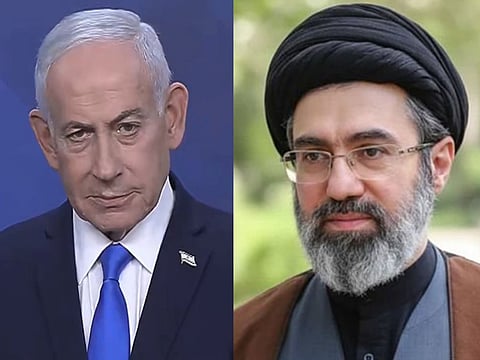
Dubai Iran is seeking to rebuild its battered regional network around a more coordinated strategy against Israel — one designed to allow Hezbollah, Hamas, the Houthis and militias in Iraq to open several fronts simultaneously rather than joining a conflict piecemeal, according to Israeli intelligence assessments.
The emerging strategy reflects an effort by Tehran to learn one of the central lessons of October 7, 2023: Hamas succeeded in taking Israel by surprise, but the attack did not immediately trigger the wider regional war its leader Yahya Sinwar had hoped for.
Now Iran is seeking to ensure that its forces and regional allies would be better coordinated in any future confrontation, The Jerusalem Post reported, citing Israeli assessments and recent reports in Arab media.
Under the scenario being examined, Iran would combine its own capabilities with those of Hezbollah in Lebanon, Hamas, the Houthis in Yemen and allied militias in Iraq, allowing pressure to be applied against Israel from several directions at once.
Crucially, there is no indication in the assessments cited by the Post that a date has been set for such an attack or that an operation is imminent.
The aim, according to the Israeli assessment, is to overcome a weakness exposed since October 7: Iran’s allies have largely fought on separate fronts and at different times, allowing Israel to concentrate its military power against them individually. A coordinated campaign would instead seek to stretch Israel’s air defences, military resources and attention across several fronts at the same time.
Israel-Iran ties: From shadow war to open conflict
Long-time enemies: Israel and Iran had fought a largely shadow conflict for years, through covert operations, cyberattacks and Iran-backed armed groups.
October 7 changed the equation: The Hamas attack on Israel in 2023 and the Gaza war intensified confrontation between Israel and Iran’s regional network.
Direct attacks followed: Iran and Israel subsequently exchanged direct missile and drone attacks, moving their rivalry increasingly into the open.
Israel joins US attacks: The confrontation escalated dramatically when Israel joined the US military campaign against Iran, striking Iranian targets.
Iran hits back: Tehran retaliated against Israeli and US-linked targets as the conflict expanded across the region.
Where things stand: With Iran’s military capabilities and regional network damaged, Israeli assessments now suggest Tehran is trying to rebuild and better coordinate its allies for a future multi-front confrontation.
The lesson of October 7
Documents seized by Israeli forces in Gaza indicated that Sinwar had envisioned something larger than a Hamas assault from Gaza.
His planning included preparations for external fronts and communications mechanisms that could operate during war. Sinwar apparently hoped the scale and initial success of the Hamas attack would draw Hezbollah and Iran into a wider regional confrontation.
That did not happen.
Published US and Israeli assessments have said Iran and Hezbollah were not informed of all the operational details or precise timing of the October 7 attack. Hezbollah began attacking Israel from Lebanon the following day, but there was no massive simultaneous offensive.
Israeli intelligence now believes Tehran wants to eliminate that weakness by making coordination among the different fronts part of the strategy from the outset.
Iran reconnects its network
There are indications that greater coordination is already being pursued.
An IDF assessment last month said Hamas and Hezbollah had begun coordinating increased activity with Iranian assistance as Tehran sought to rebuild its regional network.
Recent reports cited by the Post also say senior officials from Iran’s Islamic Revolutionary Guard Corps’ Quds Force have held discussions with commanders from Hezbollah, the Houthis and Iraqi militias.
Senior Quds Force officials reportedly conducted conference calls involving commanders from the different fronts, while Iranian advisers have worked with them on the ground. Joint training has also been reported.
At the same time, Iran is seeking to replenish missile and drone capabilities damaged during its conflicts with Israel and the United States.
But the network Tehran is rebuilding is different from the one that existed before October 7.
Hezbollah has suffered extensive damage, while the fall of the Assad government has changed the strategic environment in Syria. That has potentially increased the importance of Iran-aligned militias in Iraq and the Houthis in Yemen.
The Houthis have already demonstrated an ability to launch long-range missiles and drones towards Israel, while Iraqi militias provide another potential front to Israel’s east.
Whether Iran can rebuild enough of its network to execute a coordinated campaign remains uncertain.
But Israeli intelligence is watching the increased contacts, joint training and efforts to restore missile and drone arsenals as signs that Tehran is trying to turn a fragmented regional network into one capable of acting simultaneously.


