Pakistan considers creating 12 provinces for better governance
Defence minister backs smaller provinces to bring resources, services closer to people

Dubai: Could Pakistan’s four provinces eventually become 12?
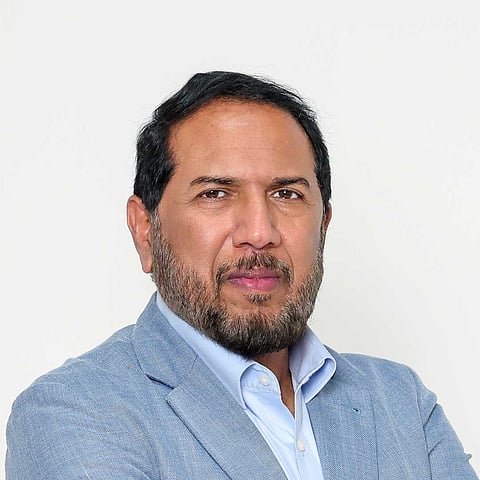
A growing debate over redrawing the country’s administrative map has gained fresh momentum after Defence Minister Khawaja Asif backed the creation of smaller provinces, arguing that bringing government closer to the people could improve public services and development.
The proposal, which could fundamentally reshape Pakistan’s political and administrative structure, comes amid increasing calls for decentralisation, more equitable distribution of resources and greater powers for local governments.
Speaking to Geo News on Sunday, Asif said Pakistan could consider creating as many as 12 provinces, provided the new units were established on administrative grounds rather than linguistic, ethnic or political considerations.
“If there is a proposal for 12 provinces, then make it 12, but they should not be created on the basis of language, ethnicity or political interests,” he said.
His remarks follow similar calls by Interior Minister Mohsin Naqvi and come amid media reports suggesting that a major constitutional restructuring could be considered in 2027.
However, no final decision has been announced, and the proposed number of provinces, their boundaries and the process for creating them remain uncertain.
How could Pakistan’s map change?
According to media reports, one proposal under discussion envisages increasing the number of provinces from four to 12 by dividing Punjab into four provinces, Khyber Pakhtunkhwa and Balochistan into three each, and Sindh into two.
The reported plan could involve a nationwide referendum and a possible 28th Constitutional Amendment, although neither has been formally confirmed as an approved government initiative.
Reports suggest that preparatory work could begin in early 2027, with constitutional changes potentially considered during the first half of the year.
Such a restructuring would represent one of the most significant changes to Pakistan’s federal system in decades.
Why more provinces
Supporters of smaller provinces argue that Pakistan’s growing population and expanding cities have made it increasingly difficult to administer large territories from a handful of provincial capitals.
Defence Minister Asif Decision-making and financial authority remained concentrated in Lahore, Karachi, Peshawar and Quetta, leaving smaller cities and districts dependent on provincial governments. “Decentralisation would allow resources and administrative decisions to reach communities more directly,” he noted.
The defence minister also questioned the existing financial distribution system, saying that funds transferred by the federal government largely remained under provincial control instead of reaching local institutions.
The debate also raises a broader question: whether creating more provinces would improve governance on its own, or whether stronger and financially independent local governments would be equally important.
What Constitution says
Creating new provinces would require major constitutional changes.
Under Article 239 of Pakistan’s Constitution, a constitutional amendment generally requires the support of at least two-thirds of the total membership of both houses of parliament.
An amendment altering the boundaries of an existing province also requires approval by at least two-thirds of the total membership of the assembly of the province concerned.
This means any attempt to divide Punjab, Sindh, Khyber Pakhtunkhwa or Balochistan would require substantial political agreement at both federal and provincial levels. A nationwide referendum is not an automatic constitutional requirement for creating provinces. Any such proposal would need a separately established legal and constitutional basis.
This constitutional requirement could prove a major challenge, particularly in provinces where political parties disagree over the creation of new administrative units.
What happens next?
Despite growing political discussion, Pakistan has yet to announce an official roadmap for creating new provinces. Key issues would include the drawing of boundaries, allocation of financial resources, representation in parliament, administrative costs and the future of provincial institutions.