Full list: 60 countries hit by new US tariffs over 'forced labour' rules
US slaps new tariffs on 60 trading partners sweeping forced-labor crackdown
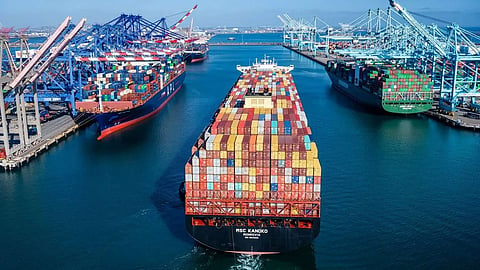
President Donald Trump's administration has imposed new tariffs on imports from 60 trading partners under a sweeping trade action aimed at pressuring governments to strengthen bans on goods produced with forced labor.
The measures, announced under Section 301 of the Trade Act of 1974, affect 99.4% of US imports from the targeted economies, making them among the broadest trade actions of Trump's second term.
10% for 17 trading partners
Under the new framework, 17 trading partners will face a 10% tariff after adopting, or committing to adopt, stronger measures prohibiting imports linked to forced labour.
Get — updated faster and for FREE: Download the Gulf News app now - simply click here
12.5% for others
Most of the remaining economies — including the Philippines, China, Australia, Brazil, Thailand and Vietnam — will be subject to a 12.5% tariff on covered imports.
The administration said the tariffs reflect each country's efforts to prevent goods produced with forced labour from entering global supply chains.
Several major US allies received different treatment.
The European Union, Japan, South Korea, Switzerland and Taiwan negotiated special arrangements that cap their overall US tariff burden at 10% or 12.5%, depending on the product's existing Most Favoured Nation (MFN) tariff rate.
What's exempted
Despite the sweeping scope of the action, several categories of imports remain exempt, including oil, natural gas, fertilisers, selected agricultural products, informational materials, and goods already covered under separate US trade programmes.
Why new tariffs were imposed
The White House said the action is intended to encourage trading partners to strengthen enforcement against forced labour, rather than serve as a blanket protectionist measure.
Countries that improve compliance could eventually qualify for lower tariff rates or other trade adjustments.
The latest tariffs mark another significant expansion of Trump's trade agenda, which has increasingly linked market access to labour standards, supply-chain security and broader geopolitical objectives.
The move is expected to affect hundreds of billions of dollars in global trade and could prompt renewed negotiations between Washington and several affected economies.
Based on the latest White House list, the US trading partners subject to these new tariffs are:
1. Algeria
2. Angola
3. Argentina
4. Australia
5. The Bahamas
6. Bahrain
7. Bangladesh
8. Brazil
9. Cambodia
10. Canada
11. Chile
12. China, People’s Republic of
13. Colombia
14. Costa Rica
15. Dominican Republic
16. Ecuador
17. Egypt
18. El Salvador
19. European Union
20. Guatemala
21. Guyana
22. Honduras
23. Hong Kong, China
24. India
25. Indonesia
26. Iraq
27. Israel
28. Japan
29. Jordan
30. Kazakhstan
31. Kuwait
32. Libya
33. Malaysia
34. Mexico
35. Morocco
36. New Zealand
37. Nicaragua
38. Nigeria
39. Norway
40. Oman
41. Pakistan
42. Peru
43. Philippines
44. Qatar
45. Russia
46. Saudi Arabia
47. Singapore
48. South Africa
49. South Korea
50. Sri Lanka
51. Switzerland
52. Taiwan
53. Thailand
54. Trinidad and Tobago
55. Türkiye
56. United Arab Emirates
57. United Kingdom
58. Uruguay
59. Venezuela
60. Vietnam
Source: The White House


