$3,000 fine: US penalties raised for mask violations on planes, transit
People mandated to wear masks on planes, trains and other forms of transport
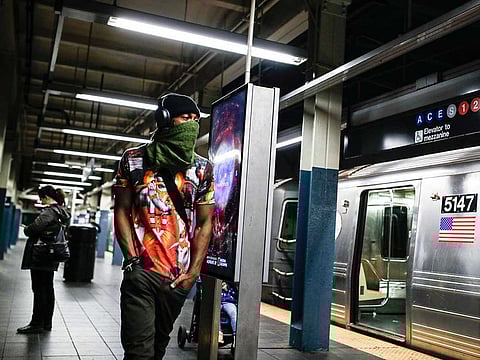





WASHINGTON: The US Transportation Security Administration (TSA) is increasing the penalty for people who violate the mandate to wear masks on planes, trains and other forms of transportation to help stop the spread of COVID-19.
First-time offenders would face a potential fine of $500 to $1,000 and second offenders could face fines ranging from $1,000 to $3,000.
The fine currently starts at $250 and could go up to $1,500 for repeat offenders.
The Department of Homeland Security said the new fines will take effect Friday and the requirement to wear masks on planes, buses and other forms of transportation will remain in effect until at least Jan. 18.
The mask mandate has been controversial and has led to many encounters between passengers who don't want to wear a mask and flight attendants asked to enforce the rule. The Federal Aviation Administration said last month that airlines have reported 3,889 incidents involving unruly passengers this year, and 2,867 -- or 74% -- involved refusing to wear a mask.
The mask order, based on Centers for Disease Control and Prevention guidelines for responding to the pandemic, was first issued on Jan. 29, days after President Joe Biden took office. Before that, airlines had their own requirements for face coverings but former President Donald Trump's administration had declined to make it a federal rule.


