Teardrops reveal their deepest secrets
Dutch scientist’s photographs of tears reveal hidden world of salt crystals
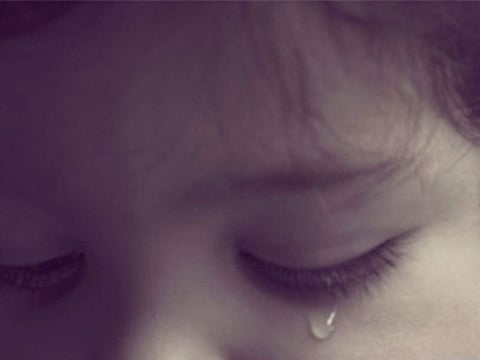
London: They look like beautiful frozen ice-crystals, but in fact, tears look different under a microscope.
Maurice Mikkers, a Dutch scientist and photographer, came up with the idea to photograph tears while imaging crystals of pharmaceutical drugs. He was keen to find out if tears had a different structure depending on how they were made. He was so amazed by what he saw that he has created a project — The Imaginarium of Tears — dedicated to recording as many people’s tears as possible.
Tears can be divided into three types: basal tears, which are always present and ensure the eyeball is moist; reflex tears, which occur when a foreign body enters the eye, and emotional, or “psychic” tears, which flow when we are sad, angry or upset.
To find out if there was a difference in the composition of the three he collected the tears of friends when they were engaged in tasks such as chopping onions, then studied them under a microscope. Although there turned out to be no discernible pattern for each category, it revealed a stunning hidden world of salt crystals.
Mikkers said: “All tears contain a variety of biological substances including oils, antibodies and enzymes suspended in salt water. “I decided to start an evening of experimenting with my close friends. I asked them to come over and pick a way they would like to cry from. The options they could voluntarily choose from were: cutting onions, eat hot peppers, look in to a fan or cry because of sadness or happiness.”
He added: “The differences in tears that are seen are not showing differences between the origins of crying, but just a composition of the tear and the circumstances it crystallised in. They are beautiful to look at.”
The Daily Telegraph


