Ramadan fasting in UAE: Tips to avoid kidney stones, dehydration
Medical experts raise awareness about kidney stones, symptoms, and precautions
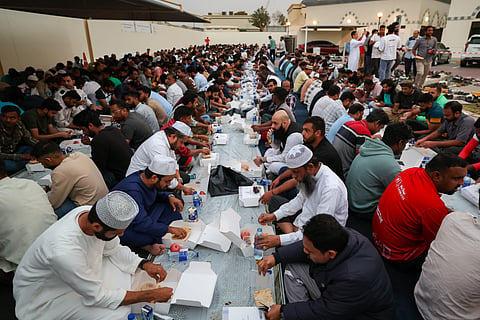
Dubai: With long hours of fasting during Ramadan and reduced water intake, medical experts are highlighting the importance of understanding how these factors can impact kidney function.
Dr Kareem Kamil Al Dulaimi, Consultant Nephrology at Medcare Hospital Al Safa, noted that dehydration can harm the kidneys by causing waste and acids to accumulate in the body.
“In cases of chronic dehydration, the body produces urine with a higher concentration of minerals and waste materials. This can result in the production of crystals, which may damage kidney function and contribute to diseases including kidney stones or urinary tract infections.”
Emphasising the importance of hydration, he said: “Water helps the kidneys to remove waste from the blood in the form of urine. It also keeps blood vessels open. So, being hydrated is crucial.”
The theme for World Kidney Day 2025, which falls on March 13, is ‘Are your kidneys OK? Detect early, protect kidney health’.
Rising temperature
As temperatures rise, Dr Al Dulaimi underlined that the risks associated with fasting are compounded.
“Fasting during the summer months is often associated with worsening of renal function. People with severe kidney disorders are typically exempt from fasting during Ramadan since fasting can increase the damage to their kidneys,” Dr Al Dulaimi noted.
Kidney stones
Dr Krishnam Raju, Consultant Nephrologist at Prime Hospital, raised awareness about another critical aspect of fasting: kidney stones in individuals.
“Fasting typically reduces fluid intake, leading to decreased urine volume. This can increase the concentration of solutes like calcium, oxalate, and uric acid, which are known contributors to kidney stone formation.”
Research indicates that fasting can lead to hypokalemia (low potassium levels) and mild metabolic acidosis, both of which can increase the risk of developing stones, he said.
“Reduced dietary calcium intake during fasting can paradoxically increase oxalate absorption from the gut, further contributing to stone formation,” Dr Raju added.
Symptoms
Kidney stones often cause intense, cramping pain in the side and back, which may extend to the lower abdomen or groin area. The pain usually begins suddenly and comes in waves, as the body attempts to get rid of the stone.
Other indications of kidney stones include an overwhelming urge to urinate, frequent urination or a burning sensation during urination. Bloody urine, nausea, vomiting, and pain at the tip of the penis can also occur.
Do’s
Drink at least 8 to 10 glasses of water between Iftar and Suhoor to flush out toxins and prevent stone formation.
Avoid caffeinated drinks, carbonated sweet beverages, tea and coffee, as they can lead to dehydration.
Limit salty and processed foods that increase calcium buildup in the kidneys
Avoid oxalate-rich foods like spinach, chocolate, and nuts.
Reduce excessive consumption of animal protein (red meat, poultry), as they can contribute to uric acid stones.
Eat citrus fruits such as lemons, oranges to help prevent stone formation.
Don’ts
Don’t fast without consulting your doctor, especially if you had to visit emergency care for kidney stone related pain, or had kidney stone related surgery in the past.
Don’t skip medications without medical guidance.
Don’t ignore symptoms of pain in the flanks, lower back, especially if accompanied by nausea, vomiting or changes in urination.
Don’t hold urine for long time. Frequent urination is helpful and prevents crystallisation of various salts which leads to stone formation.
Don’t fast if you have advanced chronic kidney disease or a history of kidney infections related to kidney stones.


