UK dismisses claims UAE armed Sudan’s RSF
Yvette Cooper cites review of 2,000 export licences, calls allegations ‘unfounded’

Speaking on the sidelines of the Munich Security Conference, Cooper referred to comprehensive audit processes that align with evidence previously presented by the UAE to refute such claims. Her remarks mark a notable diplomatic development with political and legal implications, potentially shifting the international debate over accusations regarding the UAE’s alleged role in the Sudanese conflict.
Observers say her comments weaken what has been described as an aggressive campaign aimed at discrediting the UAE’s humanitarian and diplomatic role, not only in Sudan but also in other crisis-hit regions. Analysts argue that the misinformation extends beyond Sudan to include the UAE’s humanitarian engagement in countries such as Yemen.
What did Yvette Cooper say about the UAE?
At the Munich conference, Cooper sought to address disputed claims that some parties had framed in ways that could harm the UAE’s reputation and diminish its regional humanitarian and diplomatic efforts. She suggested the disinformation campaign appeared driven by geopolitical interests, adding that the UAE’s regional role in easing suffering across conflict zones may have made it a target.
‘Unfounded’ allegations
The British minister described the allegations against the UAE as “unfounded”. She said UK authorities had carried out a comprehensive review of all arms export licences, confirming that more than 2,000 licences had been examined to ensure no weapons were diverted to Sudan. The scale of the review, she noted, reflects the rigour behind London’s position.
She added that the findings confirmed earlier accusations were inaccurate, giving her remarks legal and political weight in international forums. Her comments came as senior UK and US officials warned that the continued flow of weapons into Sudan risks escalating the conflict and turning it into a wider regional war.
UK position counters claims about UAE role
The significance of the UK’s position lies in its source — a government that does not issue statements lightly or allow misinformation to undermine political settlement efforts or humanitarian initiatives. While Cooper stressed that every new arms shipment prolongs the suffering of the Sudanese people, observers linked the clarity of her stance on the UAE to attempts by some Sudanese military factions to shift responsibility onto external actors.
Analysts suggest that promoting such accusations may form part of a broader political strategy to deflect attention from stalled negotiations.
Conflict tied to regional power rivalry
Cooper’s remarks also place the allegations within a wider geopolitical context, drawing attention to the actors believed to be fuelling the conflict. Rather than focusing on unproven claims, her comments highlight how the Sudan war has become entangled in competition for influence in strategic areas such as the Red Sea and the Horn of Africa, helping explain the number of actors involved.
For its part, the UAE has consistently called for a political solution, urging dialogue and an immediate ceasefire while prioritising civilian protection and humanitarian relief through urgent aid deliveries. Observers note that the alignment between the UAE’s position and the UK’s assessment strengthens the argument that media campaigns targeting Abu Dhabi lack credible evidence.
British statements are therefore seen as more than routine diplomacy. They amount to an official assessment based on technical and legal reviews, reaffirming that allegations against the UAE lack factual basis. They also help refocus attention on the root causes of the Sudan crisis rather than politically driven narratives.
Gargash welcomes UK statement
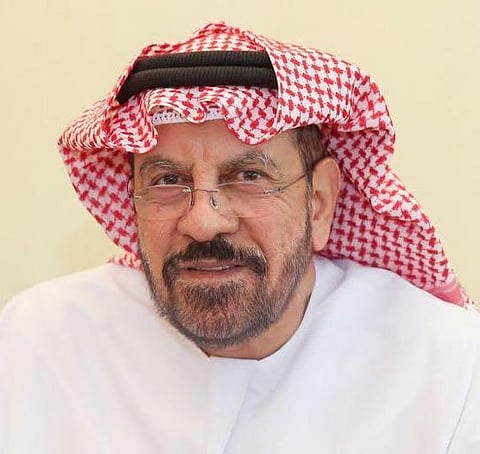
Dr Anwar Gargash, Diplomatic Adviser to the UAE President, described Cooper’s remarks in Munich — in which she rejected allegations that the UAE armed the RSF after reviewing 2,000 export licences — as “notable and important”.
Writing on X, Gargash said the UAE’s position on Sudan remains consistent: an immediate ceasefire, unimpeded humanitarian access, and a transition to civilian governance within a defined timeframe.
“The facts expose the misinformation, and the position is clear and consistent,” he said.