Abu Dhabi fines up to Dh30,000 for maritime safety violations, backed by new smart monitoring centre
AI-powered control centre and tighter licensing to enforce safety on the water
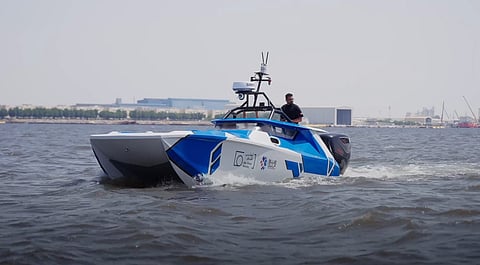
Abu Dhabi: As the number of recreational and commercial marine users continues to grow across Abu Dhabi, Abu Dhabi Maritime has stepped up its awareness campaigns and regulatory enforcement, emphasising that compliance with maritime safety regulations is no longer optional but a legal obligation backed by a comprehensive system of penalties aimed at reducing accidents, protecting lives, and preserving the emirate’s marine environment.
The initiative comes alongside Abu Dhabi’s continued investment in developing an advanced waterway management system, highlighted by the recent activation of the Waterways Monitoring and Control Centre. The state-of-the-art facility employs smart technologies and predictive analytics to monitor marine traffic, improve navigational safety, and strengthen emergency response capabilities.
Range of penalties for Maritime Safety Violations
Abu Dhabi Maritime has outlined a broad schedule of fines covering various breaches of maritime safety regulations, with penalties varying according to the severity of each offence and its potential impact on navigational safety, public welfare, and marine infrastructure.
Among the key violations are:
● Dh 30,000 for undertaking marine works or construction without obtaining the required permit, or for carrying out activities that violate permit conditions.
● Dh10,000 for conducting any maritime activity without the necessary licence or official authorization.
● Dh 5,000 for causing a marine accident through negligence or failure to comply with applicable regulations.
● Dh 1,000 for failing to take appropriate safety measures when a vessel becomes disabled or is abandoned in a manner that endangers navigation.
Maritime safety experts note that these penalties are designed not merely to punish offenders, but to foster a culture of prevention and responsible maritime conduct, particularly as the number of privately owned boats, yachts, and personal watercraft continues to increase.
A comprehensive regulatory framework
Abu Dhabi has established an integrated legislative framework governing the use of its waterways, covering maritime safety regulations, port operations, jet ski activities, marine infrastructure, and operational best practices to ensure the safe, efficient, and sustainable use of the emirate’s waters.
Abu Dhabi Maritime also issues regular navigational notices and marine advisories concerning maintenance works, temporary waterway closures, navigational markers, and operational procedures during marine construction projects, helping mariners navigate safely while minimizing operational risks.
Smart technology enhances marine safety
The emirate’s maritime safety strategy has entered a new phase with the launch of the Waterways Monitoring and Control Centre, which is designed to:
● Monitor marine traffic around the clock.
● Integrate waterway management operations through a unified platform.
● Utilize artificial intelligence and predictive analytics to identify potential risks.
● Improve emergency preparedness and incident response.
● Support real-time, data-driven decision-making.
The centre represents one of Abu Dhabi’s flagship digital transformation initiatives in the maritime sector and reinforces the emirate’s position as a regional leader in smart marine transportation and waterway management.
Why the stricter enforcement?
Global maritime safety studies consistently show that a significant proportion of marine accidents stem from human error, including excessive speed, failure to follow navigational routes, operating vessels without mandatory safety equipment, and allowing unqualified individuals to operate watercraft.
In Abu Dhabi, the strengthened enforcement regime seeks to reduce such risks by improving compliance with maritime regulations and encouraging the responsible use of waterways, particularly amid sustained growth in marine tourism, recreational boating, and water sports.
A shared responsibility
Abu Dhabi Maritime stresses that ensuring safety at sea is a shared responsibility between regulators and waterway users. Vessel owners and operators are urged to:
● Ensure all vessel licences and registrations remain valid.
● Wear approved life jackets at all times.
● Review navigational warnings before departure.
● Avoid restricted or prohibited marine zones.
● Observe designated speed limits.
● Carry emergency and communication equipment.
● Obtain the necessary permits before undertaking regulated maritime activities.
Alignment with Federal Legislation
These measures are fully aligned with the UAE’s Federal Maritime Law, which requires vessel masters and operators to take all necessary precautions to safeguard human life, protect property, preserve the marine environment, and comply with all laws and regulations governing navigation within the country’s territorial waters.
Safety before penalties
Industry specialists believe the principal objective behind the new fines is not revenue generation but the promotion of a stronger maritime safety culture.
As Abu Dhabi continues to expand its marine transportation network, coastal tourism sector, and recreational water activities, authorities are placing increasing emphasis on regulatory compliance, advanced technologies, and public awareness to build a safer and more sustainable maritime environment.
While financial penalties serve as a deterrent, experts agree that sustained investment in smart technologies, public education, and modern legislation remains the cornerstone of Abu Dhabi’s strategy to protect lives, safeguard its marine ecosystem, and support the long-term growth of its maritime economy.


