The iPhone 17 is still shiny and new — should you buy it before the iPhone 18 Pro Max? What could change
Before you decide that the iPhone 17 is an old phone, see what you actually get with it
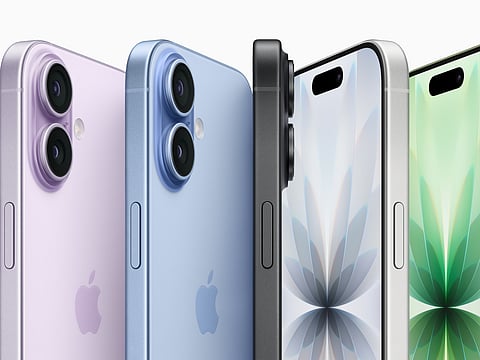
Already eyeing the iPhone 18 Pro even though you just bought the iPhone 17? Hold that thought.
Apple's next flagship could bring a smaller Dynamic Island, a variable-aperture camera, a new A20 chip and a bigger battery, which sounds like a very good reason to start planning your next upgrade.
But there is one important detail getting lost in the excitement: the iPhone 17 is already a much bigger upgrade than its familiar design suggests.
The standard model now has a 6.3-inch display with a 120Hz refresh rate, an always-on display and brightness levels that were once firmly in Pro territory, while the A19 chip delivers more than enough power for demanding apps, games and Apple's AI features.
It also starts with 256GB of storage, brings a 48MP ultra-wide camera and introduces an 18MP front camera with clever framing features that make group shots and video more flexible.
So before you decide that the iPhone 17 is already yesterday's phone, it is worth looking at what you actually get with it.
The iPhone 17 gets the display upgrade many buyers wanted
The iPhone 17 may look broadly familiar from the outside, but its screen has received one of the most important upgrades in the lineup, according to reviews, across tech portals, including PCMag and The Guardian.
Apple has made the phone slightly taller to fit a larger 6.3-inch display, while slimmer borders give you more screen without making the device dramatically bigger.
The real headline, however, is the 120Hz ProMotion display.
For years, Apple reserved its smoother, more responsive high-refresh-rate screens for Pro models, while standard iPhones remained on 60Hz panels.
The iPhone 17 finally changes this.
The result is smoother scrolling, more fluid animations and a more responsive feel across everyday use, particularly when moving between apps or navigating long pages.
The phone also gains an always-on display, which keeps information such as the time, widgets and notifications visible while the device is idle.
The screen is brighter than before and uses tougher glass designed to improve scratch resistance, while a new anti-glare coating makes it easier to see outdoors in direct sunlight. This combination makes the iPhone 17's display one of its strongest selling points, particularly because it brings several features that previously helped justify the price of an iPhone Pro.
The A19 chip gives you plenty of power to spare
The iPhone 17 is powered by Apple's A19 chip, which is slightly less powerful than the A19 Pro used in the higher-end models but remains an extremely capable smartphone processor.
For most people, the difference will not matter in everyday use.
The phone handles demanding apps, games, multitasking, photography, video editing and Apple's AI features with ease, while the A19's Neural Engine and dedicated AI processing hardware help with tasks such as image generation, Genmoji and photo editing.
Apple has also increased the base storage to 256GB, with a 512GB option available, giving buyers twice the entry-level storage of the previous generation.
This is a particularly useful upgrade for anyone who takes a lot of photographs or video, downloads large apps and games or simply does not want to spend the next few years constantly deleting things to make room for something new.
The battery is solid enough to get through the day
The iPhone 17 also delivers respectable battery life for a phone of its size.
It is designed to handle a full day of mixed use across Wi-Fi and 5G, with active screen time and the always-on display enabled, while charging is faster than on the previous generation.
The phone supports up to 30W wired charging and up to 25W wireless charging with compatible MagSafe and Qi2 accessories.
For most users, the iPhone 17 should comfortably handle the demands of a typical day.
The camera upgrade is more substantial than it first appears
The iPhone 17 comes with two 48MP cameras on the rear, including a main camera and an upgraded ultra-wide camera.
The main camera remains a dependable point-and-shoot option, producing detailed and natural-looking images across a range of lighting conditions, while the higher-resolution ultra-wide camera brings more detail to wider shots and improves close-up macro photography.
The phone can also produce high-quality crops at 2x, although anyone wanting serious long-range optical zoom will still need to look at the Pro models.
The bigger change may be on the front.
The iPhone 17 features an 18MP front-facing camera with a wider, more flexible sensor that can adjust the framing to accommodate group shots, even when you hold the phone in a different orientation.
That makes it easier to capture group photographs and video without constantly asking everyone to squeeze closer together or trying to hold the phone at an awkward angle.
The phone also supports strong video recording features, including the ability to capture footage from the front and rear cameras simultaneously.
The iPhone 17 is closer to a Pro model than ever
This is perhaps the most important point to remember before the iPhone 18 Pro rumours make your current phone seem outdated.
The iPhone 17 has narrowed the gap between Apple's standard and Pro models in several areas that matter most in everyday use.
You get the 120Hz display, always-on screen, powerful A19 chip, 256GB of base storage, upgraded ultra-wide camera, new front-facing camera and strong battery life without necessarily needing to pay Pro prices.
The Pro models still have their advantages, particularly when it comes to advanced camera hardware and telephoto photography, but the standard iPhone 17 is no longer simply the model you buy because the Pro is too expensive.
For many people, it is now the more balanced choice.
So, is it really time to give up your iPhone 17?
The iPhone 18 Pro could absolutely be worth watching.
A variable-aperture camera could be a meaningful step forward for photography, a smaller Dynamic Island could make the display feel cleaner, and the A20 chip and larger batteries could bring improvements in performance and endurance.
But before you give up your iPhone 17, remember what you already have.
You have a phone with a ProMotion display, an always-on screen, flagship-level performance, generous storage, a more capable ultra-wide camera, an improved front camera and battery life that can handle everyday use without drama.
So, what could the iPhone 18 Pro Max bring?
The iPhone 17 is already a substantial upgrade over its predecessors, particularly now that Apple's standard model has inherited features such as a 120Hz display, an always-on screen, more storage and a more capable camera system.
So why are people already looking towards the iPhone 18 Pro Max?
Well, it's new and shiny, and it's Apple.
The biggest potential change could come to the camera system, with Apple reportedly exploring a variable-aperture main camera that would be able to adjust how much light enters the lens. In practical terms, that could give the camera greater flexibility in bright and dark conditions, potentially offering more control over exposure and improving the way the phone handles challenging lighting.
The iPhone 18 Pro Max is also expected to feature Apple's next-generation A20 Pro chip, reportedly built using a more advanced 2nm manufacturing process, which could bring improvements in both performance and power efficiency.
Apple may also give the Pro Max a larger battery, potentially pushing its capacity beyond 5,000mAh, although the extra hardware could make the phone slightly thicker and heavier.
Other reported changes include a smaller Dynamic Island, slimmer bezels, improved connectivity and new colour options, while the overall design is expected to remain broadly familiar rather than being completely reinvented.
In other words, the iPhone 18 Pro Max could be a classic Apple upgrade: not a phone that makes the iPhone 17 look bad, but one that brings enough new technology to make people who are already considering an upgrade pause and wonder whether waiting might be the better move.
And that is where the decision gets interesting.
The iPhone 17 already offers many of the features that most people want from a flagship phone, while the iPhone 18 Pro Max could appeal to those looking for more advanced camera hardware, maximum performance and the longest possible battery life.
So, if you already own an iPhone 17, the question is not whether the iPhone 18 Pro Max will be better. It probably will be.
The question is whether its improvements will be enough to make you want to give up a phone that is already doing a decent job.


