iPhone 18 Pro Max: Is Apple adding features most users won’t use?
The iPhone 18 Pro could offer more control, flexibility and more sophisticated hardware
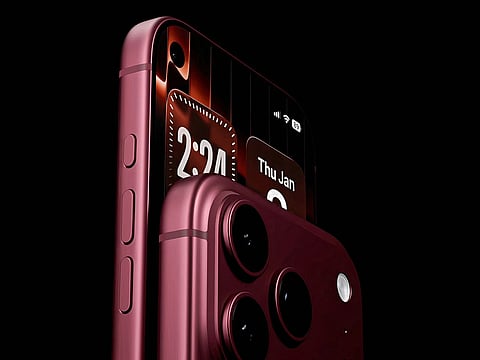
The iPhone 18 Pro rumour mill is running at full speed. We know about the possible 2nm A20 chip, a smaller Dynamic Island, a variable-aperture camera, larger batteries and even the possibility of a dramatically different iPhone launch strategy.
On paper, it sounds like a major upgrade.
But here is the more interesting question: how many of these features will you actually use?
The smartphone industry has spent years turning phones into increasingly powerful pocket computers. Cameras now offer professional-level controls. Chips are powerful enough to handle tasks that once required laptops. Screens are brighter than most people need. And every year, manufacturers promise another leap in performance.
The iPhone 18 Pro could take that trend even further.
The catch: For many users, the biggest upgrades may be the ones they never consciously notice.
The iPhone 18 Pro could be more powerful than you need
The biggest upgrade inside the iPhone 18 Pro could be Apple’s A20 chip, which is expected to be built using TSMC’s 2nm process.
The move from 3nm to 2nm should allow Apple to fit more transistors into the chip, potentially improving performance and power efficiency. The next-generation architecture could also use TSMC’s Wafer-Level Multi-Chip Module technology, with analyst Ming-Chi Kuo suggesting that RAM could be integrated more closely with the CPU, GPU and Neural Engine.
In technical terms, that could be a significant step forward.
But for the average iPhone user, what does that actually mean?
Opening WhatsApp, scrolling through Instagram, watching Netflix and taking photos are already tasks that current flagship iPhones handle with ease. A faster chip may make demanding games, video editing and AI-powered features smoother, but most users are unlikely to wake up one morning and think, oh dear, your phone needs more processing power.
That could be the iPhone 18 Pro’s central problem. It may become significantly more powerful without feeling significantly different.
The camera could become more versatile, but will people use the extra control?
The iPhone 18 Pro could also receive one of its most interesting camera upgrades yet: A variable-aperture system.
After reportedly upgrading all three rear cameras to 48MP, Apple may be preparing to give users greater control over how much light enters the lens. A variable aperture could allow the camera to adapt to different lighting conditions, letting in more light in darker environments and restricting it in brighter ones.
For photographers, that could be a significant improvement.
For everyone else, the experience may simply be this: point the phone, press the shutter and let the software do the work.
And that raises a bigger question about smartphone cameras. Are they becoming more capable than the people using them?
The iPhone 18 Pro could offer more control, more flexibility and more sophisticated hardware. But the majority of users may still rely on the same basic formula: open the camera, take a photo and move on.
A smaller Dynamic Island could be one upgrade everyone notices
If there is one rumoured iPhone 18 Pro feature that could make a difference every day, it may be the least dramatic one.
The Dynamic Island could reportedly become significantly smaller, with Apple potentially moving part of the Face ID system beneath the display.
The result would be simple: more screen and less interruption.
Unlike a faster chip, this is the kind of change users might actually notice every time they watch a video, read something or use an app.
The rumoured display sizes are expected to remain familiar, with the iPhone 18 Pro reportedly retaining a 6.3-inch screen and the Pro Max a 6.9-inch display. Apple is also reportedly working on more power-efficient LTPO+ display technology.
In other words, the biggest improvement to the display may not be making it bigger. It could be making the obstruction smaller.
More battery is useful — but bigger phones come with a catch
The iPhone 18 Pro Max is rumoured to receive a battery increase to around 5,200mAh, compared with approximately 5,088mAh on its predecessor. The iPhone 18 Pro could see a smaller increase, from around 4,252mAh to 4,288mAh.
Combined with the efficiency gains expected from the 2nm A20 chip and a new C2 modem, that could translate into longer battery life.
And unlike many flagship features, this is one upgrade almost everyone can appreciate.
But the Pro Max could also reportedly become slightly thicker and heavier. A phone that lasts longer but feels more substantial in your hand is not necessarily an automatic win for every user.
The question is no longer simply whether Apple can put a bigger battery inside the iPhone.
It is whether people want a bigger phone in exchange for more battery life.
The biggest change could happen before you even buy the phone
The iPhone 18 Pro could also mark a major change in the way Apple launches its phones.
According to reports, Apple may move away from its traditional four-iPhone September launch. The Pro models and the company’s first foldable iPhone could reportedly arrive in September 2026, while the more affordable iPhone 18, iPhone Air 2 and iPhone 18e may follow in spring 2027.
That would turn the iPhone launch from one major annual event into a rolling release strategy.
And suddenly, the iPhone 18 Pro would not just be competing with the phone in your pocket. It could also be competing with another iPhone launching alongside it.
The foldable could be the headline-maker. The Pro could be the familiar, powerful choice. The cheaper models could arrive later and potentially offer many of the same core capabilities.
Apple may therefore have a new problem: not making the iPhone 18 Pro good enough, but making it feel sufficiently different from everything else in its own lineup.
So, what will you actually notice?
The iPhone 18 Pro could be faster, more efficient, better at handling demanding tasks and more capable as a camera.
But the upgrades that may matter most to everyday users could be far less dramatic:
A smaller Dynamic Island
Longer battery life
Better camera performance in difficult lighting
A phone that remains fast for longer
The 2nm chip may be the biggest technical upgrade. The variable-aperture camera may be the most exciting one for photography enthusiasts. The new launch strategy may be the most disruptive for Apple.
But the feature that matters most to you could be something far simpler.
Because the next iPhone does not necessarily need to do more.
It needs to make the things you already do feel better.
And that may be the real test of the iPhone 18 Pro: not how much technology Apple can fit inside it, but how much of that technology you will actually notice.


