iPhone Duo 2: Apple's next foldable could bring 4 major upgrades
Apple iPhone Duo 2 may get Face ID, but feature could be delayed until 2028
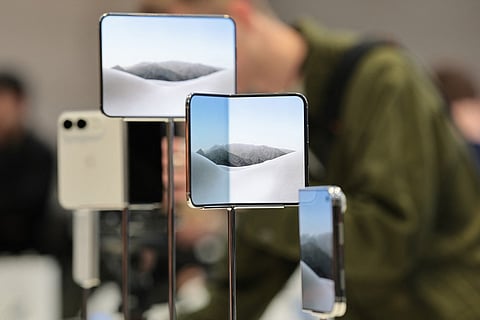
Apple is reportedly preparing four major upgrades for its second-generation foldable iPhone, including Face ID, an Action Button and improved camera capabilities. However, one of the most anticipated features could miss the 2027 launch deadline and arrive with a later model instead.
According to Bloomberg's Mark Gurman, Apple is making Face ID its top priority for the iPhone Duo 2, which is currently planned for autumn 2027. The company has already developed prototypes featuring the facial recognition technology, but engineers are still working to integrate it into the outer display.
Here are four changes Apple is reportedly considering for its next foldable iPhone.
iPhone Duo 2: Major upgrades to expect
Face ID: Apple is working to integrate its facial recognition technology into the outer display, allowing users to unlock the phone without opening it.
Action Button: The company is exploring new functionality that could let users customise the long-press action of Camera Control to launch their preferred apps.
Telephoto camera: A dedicated telephoto lens is among the camera improvements being considered for the next-generation foldable.
Thinner and lighter design: Apple also wants to reduce the device's thickness and weight, improving its overall portability.
1. Face ID could be delayed until 2028
The biggest potential upgrade is Face ID, which would replace the reliance on Touch ID for unlocking the first-generation iPhone Duo.
The current model, launched in October 2026, uses a fingerprint sensor built into its side-mounted power button. The second-generation device could introduce facial recognition on its outer screen, allowing users to unlock it without unfolding the device.
In his latest Power On newsletter, Gurman reported that Apple engineers are actively working to integrate the TrueDepth camera system into the outer display.
However, the timeline is becoming increasingly tight. Apple needs to finalise the hardware specifications well ahead of the expected 2027 launch, leaving limited time to complete the integration.
Gurman said it remains uncertain whether Face ID will make the final cut. If engineers cannot complete the work in time, the feature could be pushed to the iPhone Duo 3, potentially arriving in 2028.
Why is Face ID difficult to integrate?
Apple's Face ID system relies on its TrueDepth camera, which projects and detects thousands of invisible dots to create a depth map of the user's face while capturing an infrared image.
The components traditionally require dedicated space within the display. Integrating them into a slim foldable design, particularly its outer screen, presents additional engineering challenges.
2. Action Button could get new functionality
Face ID is not the only feature Apple is considering for the next-generation foldable.
According to Gurman, the Action Button is another priority, although Apple could take a different approach to introducing it.
Rather than adding a separate physical button, the company is reportedly exploring a software-based option involving Camera Control.
This could allow users to remap its long-press function, currently associated with Siri in the Camera app, to launch an app of their choice.
The change would offer greater customisation without necessarily requiring additional hardware.
3. Telephoto camera could improve photography
Apple is also considering a more advanced camera system for the iPhone Duo 2, including a dedicated telephoto camera.
The addition could improve zoom photography and give users greater flexibility when capturing distant subjects.
Although Gurman has identified the telephoto camera as a longer-term development goal, it remains unclear whether the upgrade will be ready for the second-generation model.
4. Apple wants a thinner and lighter foldable
Another focus is improving the device's overall design.
Apple reportedly wants to make the next-generation iPhone Duo both thinner and lighter, addressing two important aspects of foldable phone usability.
Achieving a slimmer profile while accommodating additional camera hardware and Face ID components could prove challenging.
The company will need to balance design improvements with battery capacity, durability and internal hardware requirements.
Will customer feedback influence iPhone Duo 2?
Not necessarily. Gurman notes that the hardware plans for the second-generation model largely reflect decisions made before the original iPhone Duo was announced in October 2026.
This means feedback from first-generation owners is unlikely to influence major hardware changes until the third-generation model.
Apple smart glasses also expected in 2027
Beyond its foldable iPhone plans, Apple is reportedly developing its first smart glasses, internally codenamed N50, with a potential launch in 2027.
According to Gurman, the company is testing different designs and colours. The glasses are expected to be slightly thinner than Meta's second-generation Ray-Ban smart glasses.
What features could Apple's smart glasses offer?
The reported features include:
Built-in cameras: Cameras integrated into the frames to recognise objects and identify surroundings.
Improved audio: Enhanced audio capabilities for calls and other functions.
Charging indicator: A small front-facing light to indicate charging status.
Magnetic charging: Apple is experimenting with a three-pin magnetic charging system that could allow users to charge the glasses while wearing them.
Siri integration: Voice-based assistance for directions, translations and information about nearby surroundings.
iPhone connectivity: Support for calls, messages, notifications and third-party applications.
Unlike augmented reality headsets, the first-generation glasses are not expected to feature built-in displays. Instead, they will reportedly rely on cameras and Siri to identify buildings, translate conversations, provide directions and offer suggestions based on the user's surroundings.
Apple also wants developers to integrate Siri controls into existing iPhone applications, eliminating the need to build separate apps for the glasses.
The device is expected to rely heavily on a paired iPhone for processing and is unlikely to support Android devices. Apple could potentially unveil it at its Worldwide Developers Conference (WWDC) in 2027.
What to expect from Apple's next-generation devices
Face ID could be one of the most significant upgrades to Apple's foldable iPhone, but its arrival in 2027 is far from certain. The company is also exploring camera improvements, new controls and a lighter design as it works to refine the device.
If Face ID misses the hardware deadline, users may have to wait until the iPhone Duo 3, potentially in 2028, for the feature. Meanwhile, Apple's reported smart glasses plans suggest the company is preparing to expand its hardware ecosystem beyond the iPhone, with 2027 shaping up to be an important year for new devices.


