What Emirati youth really want from work and why it matters
A new survey shows culture, well-being, and family matter more than salary
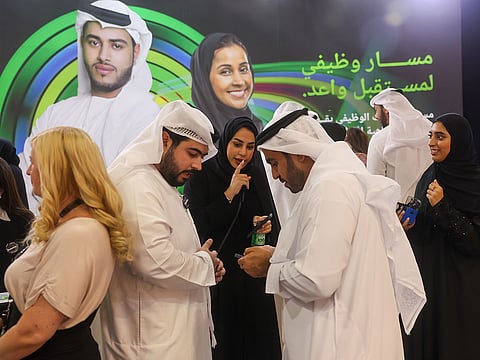
The world of work is undergoing a quiet revolution, and in the UAE, young Emiratis are at the forefront of this change. Their choices, aspirations, and expectations no longer fit neatly into the traditional mould of titles and pay cheques. Instead, they are guided by a richer set of values that reflect both modern ambitions and deeply rooted cultural ties. A recent survey conducted by YouGov and commissioned by Al Futtaim, with over 500 young Emiratis (aged 18–25) reveals just how profound this shift is, and what it means for employers determined to attract and keep the nation’s brightest talent.
Beyond pay: Redefining career priorities
The common perception might suggest that financial remuneration remains the principal driver for young Emirati professionals. This research, however, paints a more nuanced picture. Salary still matters, but it’s no longer the main driver. Balance, culture, and purpose lead the way. About 53% prioritise work-life balance, followed by supportive workplaces (51%). These figures speak volumes, placing well-being and cultural fit firmly ahead of purely financial incentives. Over 80% also cite innovation, continuous learning, and supportive leadership as essential, proof that youth want ecosystems for growth, not just jobs.
This shift signals a maturing workforce that understands the holistic nature of a fulfilling career. It’s not just about what you earn, but how you live, how you are treated, and the environment in which you spend a significant portion of your life. For employers in the UAE, this is a clear call to action: our employer value propositions must evolve beyond the traditional. Companies that genuinely invest in people-centric work practices, robust well-being programmes, and fostering an inclusive, supportive culture will be the ones that win the war for talent.
Family as the career compass
Perhaps even more striking is the enduring influence of family. The survey found that parents and family are the biggest influencers (46%) when it comes to career choices for young Emiratis. This significantly outranks online platforms (37%), social media influencers (33%), and even career mentors (31%). This finding underscores the deep-rooted cultural values within Emirati society, where family guidance and approval remain central to major life decisions, including career paths. This is borne out in the wider national context: as many as (90%) of Grade 11–12 students lack clear career direction, and (80%) base their education choices on family influences rather than personal interests or contextual factors. For employers, this highlights why engaging families is not optional but essential. Initiatives that provide transparency to parents on career paths, progression, and opportunities can directly shape how youth perceive the private sector.
Turning insights into action
For employers, this presents both a challenge and a powerful opportunity. Insights from this research also informed a series of discussions, including an industry roundtable that brought together leaders from government entities, private sector organisations and academia, as well as a Youth Circle with young Emirati professionals. Both events served as a platform to disseminate the survey findings, while also discussing and debating how to better support and nurture young Emirati talent.
The conversation with industry peers revealed a shared understanding that attracting and retaining Emirati talent demands a holistic approach, deeply rooted in cultural context and individual well-being. It highlighted that recruitment strategies must extend beyond direct engagement with the individual to respectfully involve the family unit, acknowledging their significant influence. This could involve family-inclusive career events, providing clear information for parents about career paths, or even initiatives like ‘bring your kids to work day’ to familiarise families with the private sector environment. Meanwhile, the discussion with young professionals highlighted a demand for employers whose value propositions align with their priorities for flexibility, purpose, and empowerment. Leading organisations in the UAE are already demonstrating this:
• Purpose-driven work is a competitive advantage. Young Emiratis seek roles where they can make a tangible impact and contribute to the UAE’s national goals. Companies that clearly communicate how their work aligns with national objectives are finding greater success in attracting and motivating talent.
• Empowerment and recognition are key motivators. Beyond just flexibility, young Emiratis seek full responsibility, space to innovate, and recognition for their efforts. This includes creating environments where they are encouraged to speak up, take on challenging roles, and are rewarded for high performance.
• Empathetic and supportive management is crucial. The quality of immediate management directly determines employee experience, with youth consistently highlighting the need for managers who understand individual motivations, provide personalised guidance, and foster an inclusive culture. Many youths shared experiences where a lack of empathetic managers led to disengagement, underscoring the need for significant investment in management development.
• Balanced work models are no longer considered perks but essential practices. Examples include paternity leaves and adaptable core hours, enabling talent from different Emirates to contribute effectively.
• Addressing systemic barriers remains vital. The roundtable acknowledged that while individual companies can do much, issues like pension disparities and the perception of the private sector as a ‘stepping stone’ require collective advocacy and policy-level interventions.
The future of the UAE’s economy is intrinsically linked to the success of its young Emirati talent. By listening to their voices, understanding their evolving priorities, and adapting our strategies accordingly, we can build workplaces that are not only productive and innovative but also deeply fulfilling.
David Henderson, Chief Human Resources Officer, Al Futtaim


