The most important technology in healthcare is still human
How technology is helping healthcare professionals see more and deliver better care
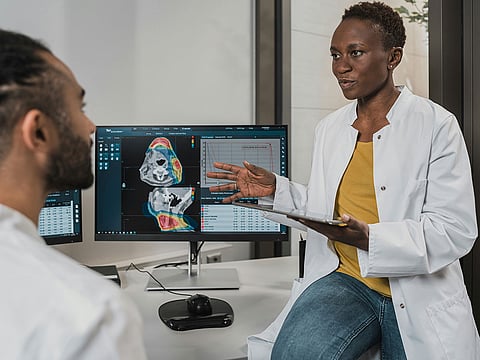
Healthcare is entering one of the most technologically advanced periods in its history. Artificial intelligence can now analyse medical images in seconds, identify patterns invisible to the human eye, and support clinicians in making faster decisions. Yet as technology becomes more sophisticated, an important question remains: what ultimately determines the quality of care a patient receives?
The answer is not technology alone.
Across healthcare systems globally, innovation is helping address some of the most pressing challenges, from rising rates of chronic disease and growing demand for healthcare services to the need for earlier diagnosis and more personalised care. Artificial intelligence is increasingly being adopted not simply because it is new, but because it has the potential to support better clinical outcomes, improve efficiency, and strengthen the quality and consistency of care delivery.
Understanding complexities
Every patient represents a unique combination of symptoms, medical history, risk factors, genetics, lifestyle, and lived experience. Healthcare has always been about understanding those complexities. Technology now allows us to see patterns, connections, and early warning signs that may previously have gone unnoticed, providing clinicians with additional insights that support better-informed decisions.
This is where the true promise of artificial intelligence lies.
SEHA clinics increasingly integrate advanced technologies into community healthcare settings to support earlier intervention and improve patient outcomes. One example is the AI retinal screening system, which has been implemented across 19 SEHA clinics in Abu Dhabi and Al Ain. The technology automatically analyses retinal images to support the early detection of diabetic retinopathy and other sight-threatening conditions, reducing diagnostic turnaround times from up to three days to just seconds and enabling timely intervention to help prevent vision complications. AI-assisted chest X-ray analysis supports tuberculosis screening programmes by identifying patterns that require further clinical evaluation. Advanced bone age assessment tools help clinicians evaluate growth and developmental conditions in children, improving consistency and supporting faster clinical decision-making.
Proactive healthcare environment
Beyond individual applications, these technologies are helping create a more proactive healthcare environment, where potential health concerns can be identified earlier and patients can access appropriate care pathways sooner. This supports a broader shift towards preventive healthcare, empowering clinicians with timely insights while helping optimise healthcare resources and improve the overall patient experience.
These technologies are enhancing how healthcare is delivered, but they are not replacing the clinical process. Rather, they are strengthening it.
Importantly, technology must operate within a framework of clinical governance, quality assurance, and patient safety. New tools must be evaluated, integrated into established clinical routines, and supported by clear protocols and oversight. Their role is not to replace professional judgement, but to provide clinicians with additional information that supports safer, more informed decisions.
Artificial intelligence can identify an abnormality. A clinician determines its significance.
Technology can highlight a potential risk. A healthcare professional decides the appropriate course of action.
A system can process data. People provide context, judgement, empathy, and accountability.
Understanding individuals
This distinction matters because healthcare is not simply about identifying disease. It is about understanding the individual behind it, coordinating care across specialties and services, and ensuring every clinical decision reflects the patient’s unique circumstances and needs.
Artificial intelligence is enabling healthcare professionals to work with greater precision, efficiency, and insight than ever before. But the future of healthcare will not be defined by algorithms alone.
It will be defined by how effectively we combine technology with clinical expertise, human judgement, and patient-centred care.
Technology is only meaningful when it serves a larger purpose: helping healthcare professionals deliver safer, and more effective care for the communities they serve.
Technology becomes most powerful when it is combined with accessible healthcare services, integrated models of care, and strong clinical oversight. This is particularly important as healthcare systems increasingly focus on prevention and early intervention, where timely access to advanced diagnostics can support earlier treatment and better long-term outcomes.
This shift is helping shape a future where healthcare is increasingly personalised, predictive, and patient-centred. It also reflects Abu Dhabi’s wider ambition to build one of the world’s most advanced healthcare ecosystems, combining innovation, clinical excellence, and accessibility to set new benchmarks in modern medicine.
As healthcare innovation continues to evolve, our focus as healthcare professionals must remain on ensuring that technology advances the quality, safety, and continuity of care. The goal is not innovation for its own sake, but innovation that helps people live healthier lives, supports clinicians in delivering better care, and strengthens trust in the healthcare system.
Technology can inform care. People deliver it.

Dr Shamma Saeed Al Alawi is Consultant Physician & Informatics Manager, SEHA CLINICS


