How to play Dungeons & Dragons, the Stranger Things way — in UAE
It's the kind of virtual reality that doesn't even need a screen
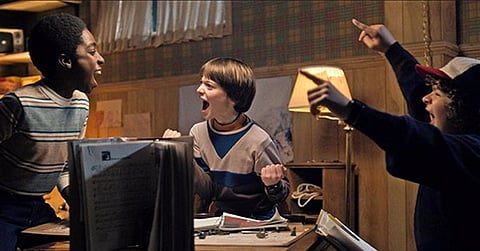
You might not be a gamer, but Dungeons & Dragons is impossible to ignore. If you’ve binge-watched shows like Stranger Things or The Big Bang Theory, you’ve probably been at least a little intrigued by its mix of imagination, scale, and immersive storytelling — a kind of virtual reality that doesn’t even need a screen. You might even find yourself, like Season 3’s Will, asking to play D&D whenever you get the chance.
So, how do can you play this game? We'll break it down for you.
The roles: Who does what
Dungeon Master (DM)
Acts as storyteller, referee, and world-builder
Describes settings, plots, NPCs, and encounters
Reacts to player choices (yes, you can try to be a chaos-loving rogue!)
Ensures everyone is having fun
Players and layer Characters (PCs)
Each controls one character (hero, villain, or somewhere in between)
Characters have:
Race: Elf, dwarf, human, halfling, etc.
Class: Fighter, wizard, rogue, cleric, bard, etc.
Abilities: Strength, Dexterity, Constitution, Intelligence, Wisdom, Charisma
Work together to survive, solve puzzles, fight monsters, and get treasure
Reddit wisdom: The DM is not against the players. The goal is collaboration, not murder-hobo chaos…unless everyone agrees, of course.
The essentials: What you need to play
You don’t need a full game store to start D&D. Here’s the starter pack:
The Player’s Handbook (5th Edition) – core rules for character creation and gameplay
Dice set: D4, D6, D8, D10, D12, and D20
Character sheets – to track stats, abilities, equipment, and HP
Pencils and erasers – for all those adjustments mid-game
Adventure – either a pre-written module or a DM’s homebrew story
Optional: miniatures and grid maps for tactical combat
How to create your hero
Before the adventure begins, players need a character.
Step 1: Pick a race
Determines physical traits, special abilities, and sometimes bonus stats
Examples:
Elf: Graceful, dexterous, magic-friendly
Dwarf: Tough, strong, hardy
Human: Flexible and versatile
Halfling: Small, lucky, stealthy
Step 2: Pick a class
Defines what your character can do
Examples:
Fighter: Melee master, high HP
Wizard: Spellcaster with wide magic options
Rogue: Sneaky, skillful, good at traps and locks
Cleric: Healer, support, divine magic
Step 3: Assign ability scores
Core stats: Strength, dexterity, constitution, intelligence, wisdom, charisma
Determines how well your character performs tasks like attacking, sneaking, or persuading NPCs
Step 4: Pick background and alignment
Background: Your character’s past
Alignment: Moral compass
Step 5: Gear up
Weapons, armor, tools, and magical items
Track everything on your character sheet
The dice
Dice are the heart of D&D. Different dice are used for different situations:
D20 (20-sided): Main die for attacks, skill checks, and saving throws
D12, D10, D8, D6, D4: Used for damage, spells, or special abilities
Percentage dice (d10 + d10): Roll 1–100
How to play: The basics
1. Adventure begins
DM sets the scene: “You enter the town square. A suspicious figure is pacing by the fountain.”
2. Player actions
Describe what your character does: Talk to the NPC, pick the lock, sneak past guards
DM decides if action is trivial (auto-success) or requires a dice roll
3. Combat
Initiative determines order of action
Roll dice to hit and calculate damage
Use spells, skills, and teamwork to survive encounters
4. Exploration and puzzles
Solve riddles, navigate traps, and explore dungeons
Rewards: gold, magic items, knowledge, XP
5. Leveling up
XP earned through combat, quests, and clever thinking
Gain new abilities, spells, and perks as you level up
Adventures and campaigns
One-shot: A self-contained story, finished in a single session
Campaign: A connected series of adventures, spanning weeks or months
Settings: Worlds where adventures occur — pre-made or homebrew
Examples: Forgotten Realms, Greyhawk, Ravenloft, Stranger Things tie-ins
Tips for new players
Be creative: Your choices shape the story
Cooperate: D&D is a team sport
Embrace failure: Rolling a 1 can be the funniest part of the game
Ask the DM for help: They’re your guide, not your enemy
Start small: One-shot adventures are perfect for beginners
Quick glossary of terms
PC (Player character): The hero you control
NPC (Non-player character): Anyone the DM controls
DM (Dungeon Master): Storyteller, referee, world-builder
HP (Hit points): Health
XP (Experience points): Determines leveling up
Dice rolls: Decide success or failure
Campaign: Long-running story
One-shot: Single-session adventure
Where to start
Grab a D&D Starter Set (includes dice, pre-made characters, and a beginner-friendly adventure)
Find a group of friends or join an online session (Roll20, Discord, or local game stores)
Pick a DM or rotate the role to experience both storytelling and playing
Dive in, roll dice, and have fun — no portals to the Upside Down required
Dungeons & Dragons can be played anywhere in the world, including the UAE. It’s a tabletop role-playing game, so all you really need is a group of friends, character sheets, dice, and possibly a Dungeon Master (DM) to guide the adventure.
Here’s how it works in the UAE specifically:
In-person games: You can gather friends at home, cafes, or even gaming stores that host D&D nights. Some Dubai gaming cafés and community centers occasionally host tabletop RPG sessions.
Online play: If meeting in person isn’t possible, D&D can easily be played online via platforms like Roll20, Foundry VTT, D&D Beyond, or even Zoom with dice-rolling apps. This allows UAE-based players to join international groups too.
Buying supplies: You can get dice, character sheets, and rulebooks from local hobby stores, comic shops, or order online via Amazon.ae or Namshi. Some bookstores in Dubai and Abu Dhabi stock the Player’s Handbook (5th Edition), Dungeon Master Guide, and Monster Manual.
Community: There are UAE-based D&D and tabletop RPG communities on Facebook, Reddit, and Discord, where you can find games, advice, and even Dungeon Masters willing to run campaigns.


