Inside the UAE’s summer rutab season: From Khalas to Barhi and why knowing your dates matters
Discover the UAE’s favourite rutab varieties and where to find them this summer
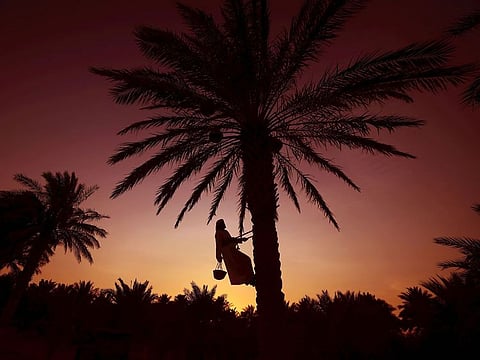
Dubai: For many families across the UAE, summer truly begins when the first trays of fresh rutab appear in the markets.
Every year, as temperatures climb, Emiratis and UAE residents eagerly await the arrival of the season's first harvest. Whether picked from family farms, bought from neighbourhood souqs or shared with relatives and guests, rutab holds a special place in the country's traditions.
Soft, naturally sweet and enjoyed at its freshest stage before it matures into dried dates, it is a seasonal delicacy that many look forward to.
The rutab season usually begins in June and reaches its peak in July and August, when markets, farms and roadside stalls across the Emirates are filled with freshly harvested varieties.
More than just a summer fruit, rutab is a symbol of the UAE's deep-rooted connection to the date palm, a tree that has sustained generations and remains an enduring part of the nation's heritage, according to the Hamdan Bin Mohammed Heritage Center (HHC).
Get updated faster and for FREE: Download the Gulf News app now - simply click here.
What is the difference between rutab and dates?
Although the terms are often used interchangeably, rutab and dates are not exactly the same. Rutab refers to the stage when the fruit is fully ripened but still retains a high water content, giving it a soft, juicy texture and naturally sweet flavour. As the fruit continues to mature and lose moisture, it transforms into the dried dates that are available throughout the year.
Due of its freshness and short harvesting period, rutab is only available during a limited period each summer, making it one of the UAE’s most sought after seasonal foods.
Why is summer considered rutab season?
The UAE’s hot climate provides ideal conditions for date palms to mature during the summer months. Different varieties begin ripening at different times, with the first harvests appearing in early summer and continuing through August.
During this period, local farms and markets across the the country receive freshly harvested rutab daily, attracting residents eager to enjoy varieties that are only available for a few weeks each year.
Why is Liwa considered the heart of the UAE’s date season?
While date palms are cultivated throughout the UAE, not every region produces rutab in the same quantity or quality. The Liwa region, located in Abu Dhabi’s Al Dhafra region, is widely regarded as one of the country’s most important date growing areas and is often considered the heart of the UAE’s rutab season.
Home to millions of date palm trees, Liwa’s unique climate, fertile soil and centuries of agricultural traditions have helped establish it as one of the leading producers of premium Emirati date varieties. Every summer, the region attracts visitors, farmers and traders, while the annual Liwa Date Festival celebrates the country’s deep rooted connection to palm cultivation and traditional farming.
For many residents, the arrival of fresh rutab from Liwa marks the true beginning of summer in the UAE.
The most popular types of rutab in the UAE
Khalas
Considered one of the UAE’s most famous date varieties, Khalas is known for its rich caramel flavour and soft texture. It remains one of the most widely consumed types of rutab and dates in the country and is prized for its balanced sweetness.
Khenaizi
Distinguished by its reddish brown colour, Khenaizi offers a sweet flavour and a slightly firmer texture than some other varieties. It is one of the earliest varieties to appear during the season and remains a popular choice among consumers.
Barhi
Known for its bright yellow colour and exceptionally soft texture, Barhi is often described as one of the sweetest varieties of rutab. Its honey like flavour and delicate texture make it particularly popular during the peak summer months.
Lulu
Lulu is another well known Emirati variety, recognised for its balanced sweetness and slightly chewy texture. It is widely cultivated throughout the UAE and remains a staple during the annual rutab season.
Fard
Originally associated with Oman but widely available across the UAE, Fard dates have a darker colour and a richer, less intensely sweet flavour than many other varieties. They are especially popular among those who prefer a stronger taste.
Why does rutab hold a special place in Emirati culture?
For many Emirati families, the arrival of fresh rutab is about far more than the harvest itself. It marks the return of a cherished summer tradition that brings generations together, whether through visits to local date farms, sharing freshly picked fruit with family and neighbours, or gathering around the table to enjoy the season’s first harvest.
Deeply rooted in the UAE’s heritage, the date palm has long symbolised generosity, hospitality and resilience. Today, fresh rutab continues to connect people with the country’s agricultural traditions, making every summer harvest a reminder of the enduring bond between the land, its people and their culture.
Why is rutab considered a superfood?
Beyond its cultural significance, rutab is valued for its nutritional benefits. It contains natural sugars that provide quick energy, along with dietary fibre, potassium and antioxidants. Its high moisture content also makes it a popular seasonal food during the hotter months.
Whether purchased from local markets, roadside farms or directly from growers in Liwa, fresh rutab remains one of the UAE’s most cherished seasonal traditions. More than just a fruit, it represents a connection to the country’s heritage, agriculture and the enduring importance of the date palm in Emirati culture.


