Can Vishu Sadya be healthy? Yes—here’s how to enjoy it without the guilt
We're not talking about bland substitutes and joyless swaps
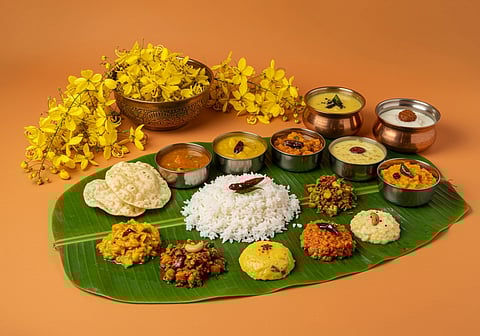
Healthy Vishu?
*Cough, cough*. Yes, we see you, sceptics.
But hold on, pause for a second. You can actually enjoy a full, festive, Vishu Sadya and still stay aligned with your health goals. And that doesn't mean bland substitutes, joyless swaps, if that's what you're thinking. We're talking about smarter choices, better balance and a lighter way to enjoy tradition.
Vishu: A festive feast
Vishu, the Malayalam New Year, is as much about tradition as it is about food that feels like celebration on a plate.
Vishu kanji – comforting rice porridge enriched with coconut milk and spices
Vishu katta – rich, jaggery-laced rice flour preparation
Veppampoorasam – the iconic bitter neem drink
Mampazhappulissery – tangy mango curry that wakes up the palate
The Sadya is generous, colourful, and rooted in seasonal ingredients. But it also tends to lean heavily on coconut milk, ghee, jaggery, and fried accompaniments, making portion awareness important if you’re watching your intake.
From our previous conversations with Sushma Ghag (Aster Hospital Mankhool), we can tell you how to enjoy the feast without overdoing it.
Rethink your base: Go whole, go steady
Rice is central to Sadya, but it doesn’t always have to be white rice.
Switching to brown rice, millets, or quinoa can make a noticeable difference. These options are higher in fibre, help you stay full for longer, and have a lower glycaemic impact compared to refined white rice.
It’s still the same Sadya experience. It's just a more balanced one.
Let vegetables do the heavy lifting
One of the strengths of Sadya is its variety of vegetable dishes. Preparations like avial and thoran are naturally lighter and nutrient-dense.
Small adjustments can make them even better:
Reduce coconut oil or use it more sparingly
Lighten gravies with coconut water or low-fat yogurt
Focus on greens like spinach, drumsticks, and bitter gourd for fibre and micronutrients
The idea is not to strip flavour, but to reduce unnecessary richness where it isn’t essential.
Keep protein simple and clean
Dal is a staple in most Sadya meals, but it is often paired with added ghee or coconut-based richness.
A lighter approach works just as well:
Plain cooked dal with turmeric and black pepper
Plant-based proteins such as chickpeas, mung beans, or tofu
These options keep the meal filling without making it overly heavy.
Yes, you can still have payasam
Dessert is part of the experience, not something to eliminate.
To make it lighter:
Use almond milk or lighter coconut milk alternatives
Replace refined sugar with jaggery or stevia
Experiment with millets or brown rice as a base
It will be just less dense. And just as good.
Fried snacks, reimagined
Banana chips and upperi are traditional favourites, but they are also among the most calorie-heavy elements of the Sadya.
Healthier approaches include:
Air-frying or baking banana chips
Roasting coconut-based snacks with light seasoning instead of deep frying
You keep the crunch without the excess oil.
Portion control makes the biggest difference
With so many dishes on the table, portion size matters more than restriction.
Fill half your plate with vegetable-based dishes
Take smaller servings of rich items like payasam and fried sides
Drink water throughout the meal to support digestion
Be cautious of what you drink
Sugary beverages often add unnoticed calories during festive meals.
Better choices include:
Coconut water for hydration
Ginger or mint tea to support digestion
Plain water between courses
Small swaps that make a noticeable difference.
Habits that prevent overindulgence
Experts also suggest a few practical steps:
Eat a light meal earlier in the day to avoid arriving overly hungry
Begin with vegetables before moving to heavier dishes
Balance starchy items like banana, yam, and tapioca with fibre-rich sides
Combine dals with rice to create a complete protein profile
Stay hydrated and pace the meal instead of rushing through it
Also In This Package


