Why Obsession is the year's best horror film and an absolute must-watch
Terrifying jump scares and disturbing realism make Obsession impossible to forget
Dubai: Spoilers ahead.
Horror film Obsession seemed like it would be your typical play on The Monkey Paw story. A man is given the ability to make a wish, but it comes with disastrous (and often fatal) consequences. However, director Curry Barker has expanded on this story to add commentary on who women often fear most in the world — men. While the actual movie is terrifying, creepy, and filled with some of the most effective jump scares in recent history, the unnerving lessons around consent and control are haunting.
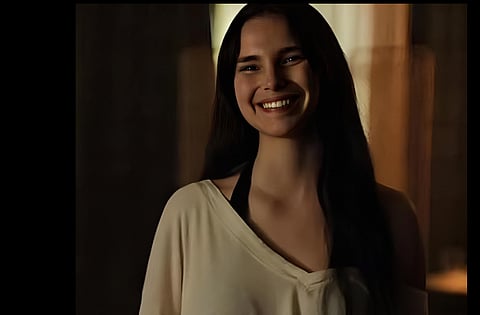
Obsession follows your typical Nice Guy Barron 'Bear' Bailey (Michael Johnston), who has a crush on Nikki Freeman (Inde Navarrette). In an attempt to win her over, he purchases her a novelty gift called a "One Wish Willow", which claims to grant one wish after breaking it. After being too cowardly to share his feelings with Nikki, he uses the toy himself, asking for his crush to love him more than anybody else in the world. Nikki soon starts to fawn over Bear, with Mexican-Australian Navarrette stealing the show with a wild performance.
Although we're supposed to feel scared of Nikki, it's Bear who is the true villain. While at first he tries to fool himself into believing that Nikki truly loves him, once he figures out it was due to the spell, he does nothing to change it. This is a woman who is now seen as an object, and while Bear knows he doesn't have her consent, he's actively taking advantage of her.
While everybody is deserving of love, you cannot demand it, and nobody owes you anything. Bear represents selfishness, predators and cowards, who will not change a situation as long as it is benefiting them, no matter who it hurts. When Nikki's destructive behavior begins to wear thin on Bear's patience, he tries to fix the situation to benefit himself, once again. While calling customer service, his first instinct is to amend his wish, rather than cancelling it.
Possibly the most harrowing moment of Obsession was when the "real Nikki" pushes through and begs Bear to kill her to stop her misery. Instead of viewing her with compassion, his first response is anger. "What's so wrong with being with me?" he spits, before leaving the house. This cements what Barker was trying to say: it wasn't a film about a woman's obsession with a man due to a spell, but a man's obsession with power, ego, and entitlement.
Built on tension you cannot escape
One of the smartest things Obsession does is make you feel permanently unsettled, even in its quieter moments. From the point Nikki is taken over by the wish, Barker keeps her face shrouded in shadow, hiding her eyes so you can never read her intentions or anticipate her next move, as if the wish is actively pulling Nikki into darkness.
It is a simple but deeply effective visual choice that keeps you on edge in every single scene she is in. Add to that the way her moods shift without warning, swinging from tender to terrifying in a single breath, and you have a character who feels genuinely unpredictable in a way most horror films only wish they could pull off.
The jump scares, when they come, hit harder because of it. Barker earns every single one, building dread so carefully that by the time the release comes, you are already so wound up that there is no way to brace for it. I screamed. Genuinely, embarrassingly screamed. And I was not the only one in that cinema.
In the end, Bear's obsession causes multiple deaths, trauma and he was too selfish to even sacrifice himself to save Nikki. It's a warning to groups of men who frequent red-pill and manosphere spaces: you need to take accountability for how you act, or there will be damage to yourself, your life, and the world.
Yes, Obsession is a delightful technical horror, and the use of music and soundscapes proves effective. But the reason why Obsession may be the best horror film of the year is simple: it's not completely fictional.