Explained: Why is Satluj starring Diljit Dosanjh making headlines after disappearing from OTT Zee5 global in UAE and India?
After sudden Zee5 exit from India and UAE, Satluj sparks grassroots screenings and debate
Why is everyone talking about Satluj?
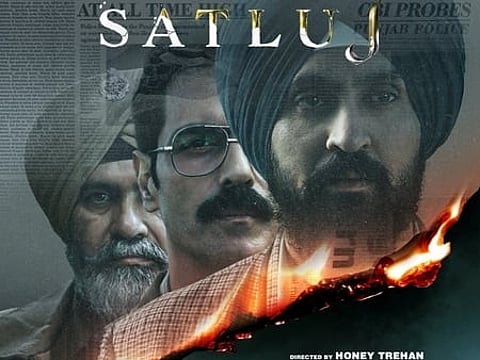
Satluj, director Honey Trehan's film based on the life of human rights activist Jaswant Singh Khalra, has become the subject of intense discussion after it was reportedly removed from streaming platform ZEE5 just days after its release in India. In the UAE, the film was briefly available on ZEE5 Global before becoming unavailable within a day. Meanwhile, according to multiple reports, including The Wire, Satluj has found a second life through community-led screenings across villages in Punjab and parts of Jammu.
What is Satluj about?
The film follows the life and work of Jaswant Singh Khalra, the Punjab-based human rights activist who documented allegations of illegal cremations and enforced disappearances during Punjab's militancy years. His findings later became part of a CBI inquiry and were examined through judicial proceedings, including a 2009 Supreme Court judgment.
Why was the film removed from ZEE5?
The exact reason has not been publicly explained. Several reports claim that after spending four years navigating certification and legal hurdles with India's Central Board of Film Certification (CBFC), Satluj was released on Zee5 before being taken down within days. The report also states that its IMDb rating disappeared around the same time.
What happened after the OTT removal?
Rather than fading away, the film began reaching audiences through volunteer-led public screenings. According to The Wire, villagers, gurdwara committees and local organisers arranged projectors, LED screens, sound systems and seating to screen the film in open community spaces, often attracting crowds of 300 to more than 500 people.
Why are these screenings significant?
The organisers of such screenings said in interviews that many younger Punjabis were unfamiliar with Khalra's work. They viewed the screenings as an opportunity to introduce a new generation to a chapter of Punjab's history that had largely remained within legal records, books and human rights documentation.
Who organised these screenings?
Most screenings were reportedly community-funded. Residents, volunteers and local organisations reportedly paid for projectors, tents and sound systems themselves, while gurdwara committees provided venues. Information about screenings spread largely through WhatsApp groups and word of mouth rather than formal distribution channels.
Did the film attract only Sikh audiences?
No. Audiences included Sikh, Hindu and other families. One organiser in Moga told The Wire that people from different communities attended and stayed until the end of the screenings.
Why has the film sparked wider debate?
Supporters questioned why the film had such a brief streaming run and argued that public discussion shifted away from Jaswant Singh Khalra's work toward political labels and controversies. The report notes that some compared Satluj's journey with that of The Kashmir Files, while others cautioned against drawing direct parallels because the films deal with different historical events.
Why does the story matter beyond cinema?
The story has become about more than a film. As The Wire argues, Satluj's journey raises broader questions about how difficult historical narratives reach audiences, the role of community-driven screenings when digital distribution ends, and how societies engage with painful chapters of their past.


