ADIS 2026: Abu Dhabi unveils Dh209b infrastructure push for future smart cities
The summit reflected Abu Dhabi’s advanced global standing in urban planning
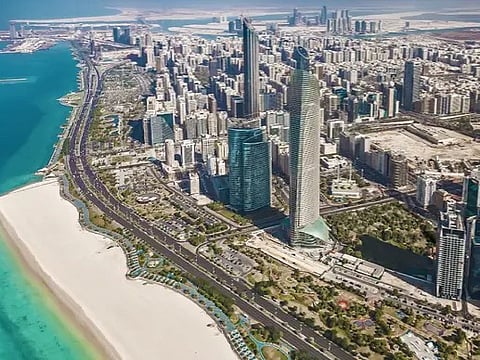
Abu Dhabi witnessed significant international momentum yesterday as the second edition of the Abu Dhabi Infrastructure Summit (ADIS 2026) officially opened at ADNEC Centre Abu Dhabi, bringing together an elite gathering of decision-makers, urban development leaders, investors, financiers, and technology innovators from around the world to explore the future of smart and sustainable cities, and discuss mechanisms for developing more efficient, resilient, and future-ready infrastructure capable of keeping pace with rapid global transformations.
The first day’s sessions focused on redefining infrastructure as a key driver of quality of life, economic development, and long-term sustainability, while also showcasing the latest solutions in smart mobility, digital infrastructure, and future communities. The summit reflected Abu Dhabi’s advanced global standing in urban planning and major project development, supported by a capital projects portfolio exceeding Dh209 billion, comprising more than 500 projects across the emirate.
Get updated faster and for FREE: Download the Gulf News app now - simply click here.
Global infrastructure investments surpass $100 trillion
The summit comes at a time when the world is witnessing an unprecedented acceleration in urban transformation, with projections indicating that city populations will increase by nearly 2.5 billion people by 2050. At the same time, global infrastructure projects are expected to require investments estimated at $106 trillion by 2040, reinforcing the urgent need to adopt advanced urban visions capable of maximizing resource efficiency and anticipating future demands.
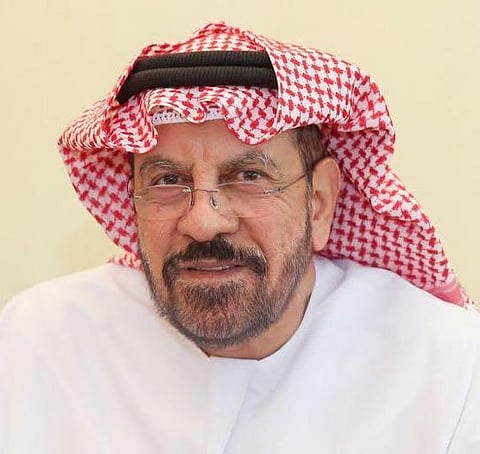
In his opening remarks, Mohamed Ali Al Shorafa, Chairman of the Department of Municipalities and Transport and Chairman of the Abu Dhabi Projects and Infrastructure Centre, stated that cities around the world are investing heavily in infrastructure projects to support population growth and economic development. He noted, however, that the real challenge lies in ensuring these investments generate tangible impact that directly enhances quality of life, urban efficiency, and the sustainability of public services.
Abu Dhabi: An integrated approach to quality of life and sustainability
He emphasized that Abu Dhabi, through its integrated development approach, has demonstrated its ability to maintain the continuity of services, mobility, and economic activity with high efficiency, even amid regional challenges and changing circumstances — reflecting the resilience of its urban ecosystem and its readiness for the future.
He added that the emirate adopts a people-first approach by developing infrastructure that responds to both current and future needs, while creating connected communities, reliable services, and smart, data-driven solutions that enhance efficiency, sustainability, and quality of life.
Al Shorafa further noted that quality of life in Abu Dhabi has become a measurable outcome reflecting the integration of the emirate’s development ecosystem. He explained that infrastructure projects are managed within a unified framework that combines urban planning, project execution, transport systems, and municipal services under the umbrella of the Department of Municipalities and Transport, thereby enhancing long-term operational efficiency and sustainable development.
Abu Dhabi’s ability to transform ambitions into achievements
For his part, Engineer Maysarah Mahmoud Eid, Director General of the Abu Dhabi Projects and Infrastructure Centre, affirmed that the world is undergoing a pivotal transformation in urban planning and infrastructure development, amid challenges arising from rapid population growth, climate change, and accelerating technological advancements.
He explained that Abu Dhabi’s hosting of this global event reflects its ability to transform ambitions into tangible achievements, noting that the Abu Dhabi Projects and Infrastructure Centre is currently overseeing a capital projects portfolio valued at approximately Dh209 billion, covering more than 500 capital projects across the emirate.
He stated that by 2029, Abu Dhabi aims to provide more than 40,000 homes and residential land plots as part of its plans to strengthen community stability and improve residents’ quality of life.
He added that over the past year, the centre has continued implementing major infrastructure projects and strategic investments across housing, transport, education, culture, and community infrastructure sectors, while simultaneously leveraging advanced technologies throughout the planning, execution, and delivery phases, enhancing integration among government entities, and expanding partnerships with the private sector.
Building resilient communities
Maysarah Eid stressed that traditional approaches to city-building are no longer sufficient to meet future requirements, noting that the current phase demands a shift from merely constructing cities to building interconnected, resilient communities centered around people and focused on improving their quality of life.
Over the course of three days, the summit will discuss financing, design, execution, and the reimagining of infrastructure, in addition to future mobility, digital infrastructure, sustainable communities, and smart construction technologies — reinforcing ADIS 2026’s role as a practical platform for transforming ideas into partnerships and ambitions into tangible development projects.