Naseej expands national textile circularity initiative with 14 new partnerships
Naseej signs deals to expand textile collection, recycling and circular fashion
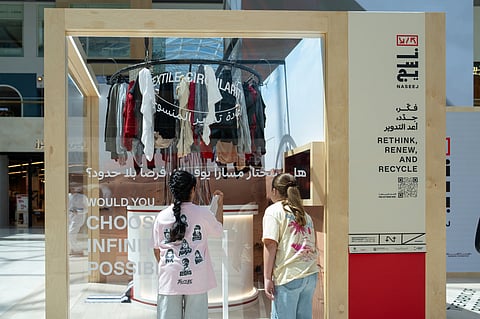
Abu Dhabi: Naseej, the UAE’s National Initiative for Textile Circularity, has signed 14 strategic agreements with leading organisations as it continues to expand efforts to reduce textile waste and promote a circular economy across the country.
The agreements, signed at the Emirates Foundation headquarters in Abu Dhabi in the presence of Abdullah bin Touq Al Marri, Minister of Economy and Tourism, bring together government entities, private companies and community organisations to strengthen textile collection, reuse, recycling and innovation.
Get updated faster and for FREE: Download the Gulf News app now - simply click here.
The latest partnerships increase Naseej’s growing network to more than 35 organisations from the public and private sectors, as well as academic institutions and civil society organisations.
The initiative said the agreements mark the next stage of its development following its official launch and the success of the “Fabric of Possibility” community campaign held at Yas Mall in June.
Among the new strategic partners are ADNOC Distribution, Aldar, PureHealth, M42, Landmark Group, LuLu Group, Deliveroo, Talabat, Re-Up, Rebound, Miniwiz, Fabricaid, Thrift for Good and Kiswa.
The partnerships will focus on four main areas: improving textile collection and recovery systems, supporting research and innovation, raising public awareness and encouraging sustainable behaviour, and developing policies that support the growth of a circular textile sector.
Ahmed Talib Al Shamsi, CEO of Emirates Foundation, said the partnerships represent an important step in building a national ecosystem that supports textile circularity.
He said lasting national initiatives require strong cooperation between different sectors and shared goals that create long-term environmental, economic and social benefits.
Etienne Petit, CEO of Tadweer Group, said textile waste remains one of the most difficult waste streams to recycle but also offers valuable opportunities to recover materials that would otherwise be lost.
He added that the initiative supports Abu Dhabi’s target of diverting 80% of waste from landfills by 2031 through better collection, reuse and recycling systems.
Naseej said it is adopting a phased approach, beginning with pilot projects before expanding successful programmes across the UAE.
Current projects include retail clothing take-back schemes, school uniform recycling programmes and residential textile collection initiatives. The initiative is also working with industries such as hospitality, aviation, logistics and healthcare to introduce circular uniform programmes that promote sustainable procurement and textile management.
In addition, Naseej is working with stakeholders to develop regulations, standards and incentives that support the sector’s growth. It is also carrying out market research and behavioural studies while supporting start-ups and small businesses developing solutions in textile recycling and circular design.
Later this year, the initiative plans to publish the UAE’s first State of Fashion Circularity report, providing a data-driven assessment of the country’s fashion sector and its readiness to adopt circular economy practices.
Naseej said tackling textile waste requires collective action and invited businesses, government entities, researchers, educational institutions and members of the community to join the initiative and help build a more sustainable future for textiles in the UAE.


