EGA H1 earnings rise 11% while Al Taweelah recovery gathers pace
EGA has restarted 18% of Al Taweelah cells and expects full recovery in Q1 2027
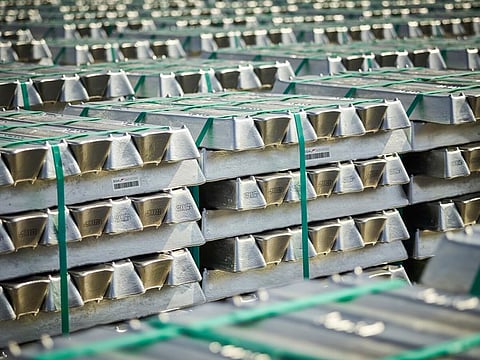
Dubai: Emirates Global Aluminium reported an 11% increase in adjusted EBITDA to Dh4.506 billion in the first half of 2026, while restoration work at its Al Taweelah operations continued following the March disruption.
The aluminium producer has restarted 227 of the site's 1,262 reduction cells, equivalent to about 18%, and expects hot metal production to return to pre-incident levels in the first quarter of 2027.
Get updated faster and for FREE: Download the Gulf News app now - simply click here.
Adjusted net profit rose 34% year-on-year to Dh2.46 billion, helped by stronger aluminium prices, higher regional premiums, lower alumina prices and cost management.
Reported net income stood at Dh1.73 billion after recognising a Dh725 million net impact related to the incident at Al Taweelah.
Al Taweelah production gradually returns
EGA's Al Taweelah site was significantly damaged on March 28 when Iranian attacks on Khalifa Economic Zone Abu Dhabi led to an emergency shutdown of all facilities.
The first restored reduction cell restarted on May 26, while all three potlines have since been energised. EGA said production will increase progressively as more cells are restored.
The company expects to spend about Dh1.5 billion restoring production at the site, with most of the expenditure scheduled for 2026 and the remainder during 2027.
Our financial and operational results demonstrate the resilience of EGA and our people. Despite significant logistics challenges, our supply chain is robust, and we continue to make deliveries to customers.Abdulnasser Bin Kalban, CEO of Emirates Global Aluminium
Alternative export routes keep shipments moving
Regional logistics constraints led EGA to temporarily suspend new outbound shipments from the UAE in March, resulting in higher domestic inventories.
The company has since established alternative export routes through ports outside the Strait of Hormuz, allowing shipment capacity to gradually increase and stockpiles in the UAE to decline.
EGA said a return to pre-incident shipment levels is currently dependent on the reopening of the Strait of Hormuz, while work on alternative corridors is continuing to reduce longer-term reliance on the waterway.
Inbound logistics remained secure, with raw material deliveries exceeding the requirements of the Jebel Ali operations and the Al Taweelah restart programme. Jebel Ali maintained uninterrupted production throughout the period.
Revenue lower on reduced sales volumes
Revenue fell to Dh13.544 billion from Dh15.079 billion in the first half of 2025, reflecting lower sales volumes following the Al Taweelah disruption.
Cast metal production declined to 1.006 million tonnes from 1.420 million tonnes, while aluminium sales fell 32% to 939,000 tonnes.
Higher realised aluminium prices helped offset some of the volume impact, with the average London Metal Exchange aluminium price rising to $3,382 per tonne from $2,538 a year earlier.
Adjusted EBITDA margin increased to 33% from 27% in the same period last year.
EGA's board approved an interim dividend of Dh1.726 billion, representing a 70% payout ratio to adjusted net income.
Refinery and recycling output ramp up
Production at the Al Taweelah alumina refinery restarted in early July and reached 50% of pre-incident levels within days.
The refinery produced 602,000 tonnes of alumina during the first half, compared with 1.142 million tonnes a year earlier.
EGA's new Al Taweelah recycling plant also resumed its production ramp-up in May and is currently operating at around 10% capacity. Full production is expected by late in the fourth quarter of 2026.
The company generated Dh353 million in improvements through its Najah 2.0 programme during the first half compared with its 2024 baseline, with savings coming from refinery improvements, efficiency measures and procurement.
Global expansion continues
EGA continued work on its planned 750,000-tonne-per-year primary aluminium project in Oklahoma, where it owns 60% of a joint venture with Century Aluminum.
Commercial, permitting and technical work progressed during the first half, with first aluminium production expected by the end of the decade.
The company is also advancing its planned acquisition of an 80% stake in Italian aluminium recycler Eco Green, with the transaction expected to close later this quarter following regulatory approvals.
“EGA’s financial strength and disciplined Najah improvement and cash preservation programme position us well to complete the restoration of Al Taweelah while continuing to advance our strategic growth priorities, which include a good mix of organic and inorganic opportunities," said Pål Kildemo, Chief Financial Officer of Emirates Global Aluminium.
EGA ended June with Dh6.07 billion in cash and term deposits and Dh3.67 billion in undrawn revolving credit facilities. Total debt stood at Dh18.1 billion compared with Dh16.9 billion a year earlier.