Asian markets tumble as Nikkei plunges over 6% amid oil price surge
Asian markets tumble as Nikkei plunges over 6% amid oil price surge
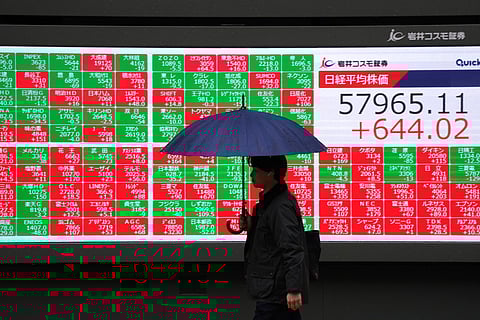
Asian stock markets slid sharply on Monday after Japan’s benchmark index suffered one of the region’s steepest declines, as investors reacted to surging oil prices and escalating conflict in the Middle East.
The Nikkei 225 in Tokyo dropped more than 6% in early trading on March 9, leading a broad sell-off across Asian equities as investors rushed to safer assets.
The plunge came amid heightened geopolitical tensions and a sudden spike in energy prices after the widening conflict involving Iran, the US and Israel.
Brent crude surged above $107 a barrel, fuelling fears of inflation and slower global growth, even as Trump said it's a "small price" to pay for the war to take out Iran's nuclear weapons capability.
Regional markets in the red
The sharp decline in Japan quickly spread across other Asian markets.
The Kospi in Seoul also fell steeply as investors sold technology and export stocks amid global uncertainty.
Hong Kong’s Hang Seng Index traded lower, dragged down by financial and property shares.
Mainland China’s Shanghai Composite Index slipped as cautious investors reduced exposure to risk assets.
Australia’s S&P/ASX 200 dropped nearly 3%, wiping billions off the market value of listed companies.
The Philippine's PSEi fell nearly 1%, to 6,320.41.
Analysts said the sell-off reflects a “risk-off” mood in global markets as investors worry that prolonged conflict could disrupt energy supplies and trade routes.
Oil shock and inflation fears
The latest market turbulence was triggered by a sharp jump in crude prices after attacks on energy infrastructure and concerns about shipping through the Strait of Hormuz.
Economists warn that sustained oil prices above $100 could raise global inflation and slow economic growth, complicating monetary policy decisions for major central banks.
Worst sell-off in years for some markets
The volatility follows a series of steep declines across Asia since the conflict escalated.
South Korea’s Kospi recently recorded its biggest single-day fall in decades, plunging more than 12% and triggering trading halts.
Analysts say markets will remain highly sensitive to geopolitical developments and energy prices in the coming weeks.
For now, investors across Asia are bracing for continued turbulence as the crisis reshapes global financial markets.


