97% of Saudi and UAE firms see global expansion scope despite volatility
AI investment and supply chain redesign drive resilience and growth plans

Dubai: Businesses in Saudi Arabia and the UAE are pressing ahead with international expansion plans despite regional volatility, with 97% saying they still see room to grow globally.
That confidence is holding even as companies navigate disruption across trade routes and rising uncertainty in the broader geopolitical environment, according to a new HSBC survey.
The study, which polled 3,000 firms and institutional investors across ten markets including 600 from the UAE and Saudi Arabia, shows companies are adjusting how they operate without stepping away from long-term growth plans.
Get updated faster and for FREE: Download the Gulf News app now - simply click here.
Regional strength
Senior executives in both markets are showing stronger belief in their ability to reposition compared to global peers. Around 57% of respondents in Saudi Arabia and 50% in the UAE said they strongly believe they can realign their organisations for the future, against a global average of 36%.
That confidence is closely linked to the region’s economic backdrop and ongoing diversification efforts, which continue to support business planning even during periods of stress.
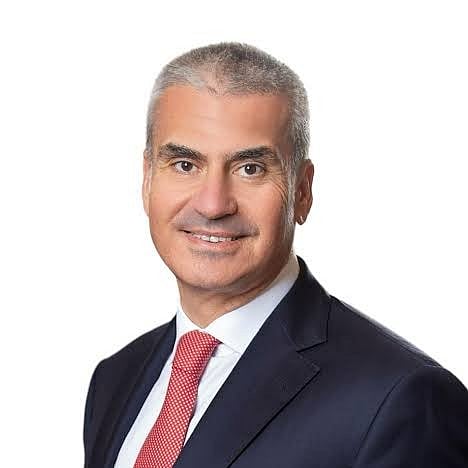
“As a lynchpin of global trade, this survey gives a glimpse of the immediate response measures undertaken by firms in Saudi Arabia and the UAE to secure the flow of goods and trade, amid disruption in the region,” said Selim Kervanci, CEO, Middle East, North Africa and Türkiye at HSBC Bank Middle East
Supply chains turned into a growth lever
Companies across both markets are reworking supply chains with expansion in mind. Nearly all respondents see international opportunities emerging from these changes, with 98% in Saudi Arabia and 95% in the UAE pointing to growth linked to supply chain adjustments.
At the same time, trade is expected to become more regionally concentrated. Around 94% of respondents believe cross-border activity will tilt further towards intraregional corridors over the next five years, while still keeping global connections in place.
This approach is helping firms keep goods moving while reducing exposure to external shocks that have disrupted trade flows in recent years.
Businesses in Saudi Arabia and the UAE remain committed to medium-term strategies, anchored by their confidence in the GCC’s economic fundamentals and long-term diversification plans. The survey shows that, while international growth remains a priority in the long term, firms also see opportunities to realign intraregional supply chains to keep trade flowing. They are also looking to deploy investment in AI and digital capabilities to help improve productivity, decision-making and competitiveness. As a leading international connector, HSBC is supporting clients to keep trade, capital and investment moving to support their growth ambitions
AI spending moves higher on the agenda
Technology investment is moving up the priority list. Around 60% of respondents said access to technology and infrastructure will play a major role in shaping strategy over the next three years.
AI is a key part of that push, with companies using it to improve planning, strengthen decision-making and manage operational risk more effectively.
Portfolio strategies are moving in the same direction. Increasing exposure to AI and technology themes ranked among the top drivers of investment decisions, cited by 52% of respondents in the UAE and 46% in Saudi Arabia.
Longer investment horizons are also becoming more common. Around 73% of respondents in Saudi Arabia and 67% in the UAE said their timeframes have extended compared to three years ago, pointing to a more measured approach to capital deployment.