US fracking usage rules tightened up considerably
Environmental groups believe more could have been done to set bar higher
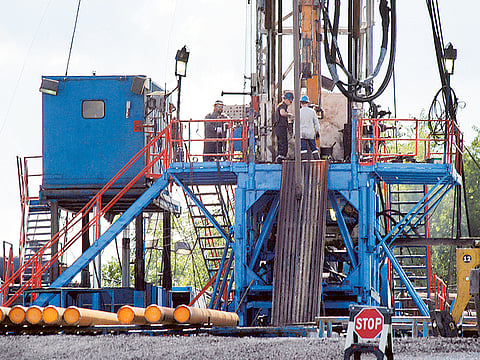
Washington: The Obama administration imposed tougher restrictions on tens of thousands of fossil-fuel wells on public lands that use fracking technology to extract oil and gas, saying the measures would help safeguard the nation’s water supply.
The regulations represent the administration’s most significant effort to tighten standards for hydraulic fracturing, the controversial practice that pumps liquid into rock seams at high pressure to access pockets of oil and gas that would be difficult to recover using more conventional methods. The measures only affect wells on federally-owned lands, or roughly a quarter of the gas and oil operations in the country.
The Interior Department regulations, the result of four years of study and debate, include new requirements on well-construction and the storage of liquid wastes, as well as transparency measures to force companies to disclose the kinds of chemicals they use.
Interior Secretary Sally Jewell, a former petroleum engineer, said the changes were long overdue. “Current federal well-drilling regulations are more than 30 years old, and they simply have not kept pace with the technical complexities of today’s hydraulic fracturing operations,” Jewell said.
About 100,000 oil and gas wells operate on federally owned territory in 32 states, and about 90 per cent of them employ fracking techniques. Some states strictly regulate fracking, while others defer to the federal government.
Common-sense
Two industry groups said they would immediately file suit in federal court to block the regulations. The Independent Petroleum Association of America and Western Energy Alliance called the rules a “reaction to unsubstantiated concerns”.
“From California to Pennsylvania, the oil and natural gas industry has played a critical role in reviving America’s economy and hydraulic fracturing has been the key to this revival,” Barry Russell, the IPAA president, said in a statement. “These new mandates on hydraulic fracturing by the federal government, however, are the complete opposite of common-sense.
“At a time when the oil and natural gas industry faces incredible cost uncertainties, these so-called baseline standards will threaten America’s economic upturn, while further deterring energy development on federal lands.”
Environmental groups expressed mixed views. Madeleine Foote, legislative representative for the League of Conservation Voters, called the regulations “an important step forward in regulating fracking,” but said environmental groups were disappointed that the requirements were not tougher.
“It represents a missed opportunity to set a high bar for protections that would truly increase transparency and reduce the impacts to our air, water, public lands, and communities by the oil and gas industry,” she said.


