Saudi non-oil business activity hits 10-month high despite PMI cooling
Saudi non-oil sector grows at the fastest pace since January despite easing momentum
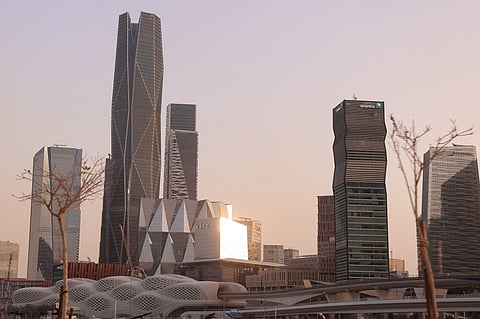
Dubai: Saudi Arabia's non-oil private sector economy continued its robust expansion in November, recording its sharpest increase in overall business activity since January, according to the latest Purchasing Managers’ Index (PMI) data.
The headline Riyad Bank Saudi Arabia PMI, which tracks business conditions across the non-oil private sector, eased slightly to 58.5 in November, down from October's exceptional 60.2 reading. Despite this moderation, the index remained at a level indicative of strong improvement in the sector’s health.
Strong output growth fueled by domestic demand
The substantial rise in activity was largely attributed to resilient demand conditions and a steady flow of new orders. Survey data showed that 30% of firms reported higher output levels than the previous month.
“The non-oil private sector remained firmly in expansion territory in November, although momentum eased slightly after October’s sharp uptick," noted Naif Al-Ghaith PhD, Chief Economist at Riyad Bank. "The headline Riyad Bank Saudi Arabia PMI registered 58.5, indicating another strong improvement in business conditions, supported by broad gains across output, staffing and purchasing activity.”
New order inflows remained robust, extending a growth streak of over five years. However, the pace of expansion slowed from October's peak, with most growth originating from domestic markets. International orders also rose, but only marginally.
Hiring and input costs
Non-oil companies continued to increase staffing levels to meet higher output demands, despite the rate of employment growth decelerating from the near-record rise seen in October. This sustained hiring effort contributed to an increase in work backlogs for the fifth consecutive month, the longest such run since 2019.
On the cost front, inflationary pressures showed signs of easing.
“As firms managed their workflows more efficiently, input cost inflation softened, reflecting slower increases in purchase prices,” Al-Ghaith observed.
Input cost inflation was the slowest recorded in eight months, driven by a modest increase in purchase prices, though wage pressures remained sharp.
Confidence for the road ahead
Firms expressed their strongest outlook for future activity in five months. This optimism is tied to healthy demand pipelines and confidence surrounding planned business investments.
“Looking ahead, confidence is being supported by anticipated improvements in demand, active pipelines of new projects and ongoing investment activity," said Al-Ghaith. "While growth has eased from October’s highs, November’s readings show that growth remains steady, driven by stable demand patterns and continued progress on active projects.”

